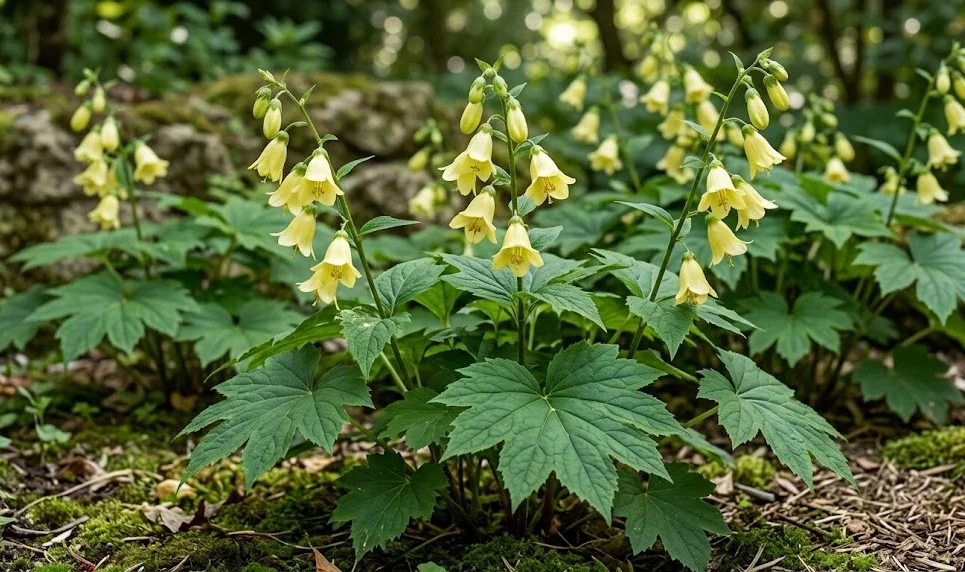

Mastering the art of pruning these architectural perennials is a simple but essential skill for maintaining a tidy and healthy shade garden. Unlike woody shrubs that require complex structural pruning, the yellow wax bells are herbaceous, meaning their stems die back to the ground each winter and are replaced by entirely new growth in the spring. A professional approach to maintenance focuses on timing, sanitation, and encouraging the plant’s natural grace rather than trying to force it into a specific shape. Proper cutting back ensures that the plant remains vigorous and that the garden stays organized throughout the changing seasons.
The primary reason for cutting back these plants is to manage the transition from the active growing season to winter dormancy. As the first hard frosts arrive in late autumn, the succulent stems and large leaves will lose their turgor and collapse, often turning a dark brown or black. If left in place, this decaying biomass can become a soggy mat that traps moisture against the crown, potentially leading to rot or providing a haven for overwintering pests like slugs. Removing this spent growth is a fundamental task of fall garden hygiene.
During the growing season, pruning is rarely necessary for structural reasons, as the plant naturally develops a balanced and attractive form. However, a professional gardener will keep a sharp pair of shears ready for “maintenance pruning”—the removal of any damaged, diseased, or unsightly leaves. Because the leaves are so large, even a single torn or scorched leaf can distract from the overall beauty of the specimen. Quick and decisive removal of these minor imperfections keeps the plant looking its absolute best from spring through autumn.
Tools for pruning these perennials should be kept clean and sharp to ensure clean cuts that heal quickly. Because the stems are somewhat succulent and contain a significant amount of moisture, they can be easily crushed by dull blades, which creates an entry point for fungal spores. A quick wipe with rubbing alcohol between plants is also a professional standard to prevent the spread of any hidden pathogens. With the right tools and a gentle touch, pruning becomes a meditative and rewarding part of the garden routine.
Purpose of pruning
The most common pruning task is the removal of dead or damaged foliage that can occur due to wind, hail, or accidental mechanical damage. Because the leaves are so prominent, any holes or tears are immediately visible and can mar the sculptural effect of the plant. By carefully cutting the leaf stem (petiole) back to its point of origin on the main stalk, you can remove the eyesore without affecting the health of the rest of the plant. This “spot-cleaning” approach is what keeps high-end estate gardens looking flawless.
More articles on this topic
Deadheading, the removal of spent flowers, is another task that can be performed in the late autumn to keep the plant looking tidy. Once the buttery yellow bells have faded and the petals have fallen, the remaining seed capsules can be left for aesthetic interest or removed if you prefer a cleaner look. If you do not wish to collect seeds for propagation, cutting the flower stalks back to the topmost set of leaves can help the plant focus its remaining energy on building up its root reserves for the winter.
Thinning out a very dense clump is a more advanced technique that can be used to improve air circulation and light penetration. If a mature plant has become so thick with foliage that the inner leaves are yellowing and dying, carefully removing a few of the weaker stems at the base can help. This allows more air to move through the center of the plant, which is the best natural defense against fungal issues like powdery mildew. However, this should be done sparingly, as the plant’s dense, leafy look is one of its most attractive features.
In some cases, a plant may become too tall or “top-heavy” for its location, especially if it is reaching for more light. While you cannot truly prune these plants to be shorter without ruining their natural form, you can remove some of the lower foliage to give them a more “elevated” look. This can also provide more space for lower-growing companion plants like ferns or hostas to thrive beneath the canopy of the wax bells. Understanding the architectural potential of the plant is part of the professional designer’s toolkit.
Seasonal timing for cuts
The most important pruning event of the year takes place in the late autumn or early winter, once the plant has fully entered dormancy. Wait until a few hard frosts have completely killed the top growth and the plant has moved its nutrients down into the roots. At this point, you can cut all the stems back to within two or three inches of the soil surface. This “clean slate” approach prepares the area for winter mulching and ensures that the new spring shoots have a clear path to emerge.
More articles on this topic
Some professional gardeners prefer to leave the dead stems in place until early spring, especially in areas where winter protection is a concern. The standing dead stalks can help catch and hold snow, which acts as a natural insulator for the crown. They also provide a visual marker so you don’t accidentally step on the plant during the winter. If you choose this method, be sure to cut the stems back as soon as the first signs of growth appear in the spring to avoid damaging the new, tender shoots.
Spring pruning is generally limited to the removal of any winter-damaged tips or the tidying up of the previous year’s debris. As the new shoots emerge, you might find that some of the old stem stubs are still in the way or look unsightly. Carefully removing these old bits of wood helps the new growth look its best and prevents any old fungal spores from coming into contact with the fresh leaves. It is a time for precision and care, as the new growth is very brittle and easily snapped.
During the height of summer, pruning should be kept to a absolute minimum to avoid stressing the plant during the heat. Any major cuts at this time can lead to excessive moisture loss and might encourage a flush of new growth that won’t have time to mature. The only exception is the removal of truly diseased or pest-infested material, which should be taken out of the garden immediately. For the most part, summer is a time to simply step back and enjoy the results of your earlier work.
Maintenance and rejuvenation
As the yellow wax bells age, they can occasionally become a bit less vigorous in the center, leading to a “doughnut” shape where the growth is concentrated on the edges. While division is the ultimate cure for this, a bit of strategic pruning can help extend the time between divisions. By removing some of the older, woodier stems from the outside of the clump, you can encourage the plant to send up more vigorous shoots from the center. This selective thinning keeps the plant looking young and full for many years.
Sanitation is a critical part of the pruning process that is often overlooked by amateurs but strictly followed by professionals. Any material that you prune away, especially if it shows signs of disease or pests, should be removed from the garden area entirely. Do not leave the clippings at the base of the plant to rot, as this is an open invitation for fungal pathogens and slugs. Proper disposal, either through hot composting or green waste removal, is essential for long-term garden health.
Always use the right tool for the job to ensure the best results for both you and the plant. For the succulent stems of the yellow wax bells, a sharp pair of bypass pruners is the ideal choice. Bypass pruners work like scissors, making a clean, shearing cut that minimizes damage to the plant’s tissues. Anvil-type pruners, which crush the stem against a flat surface, should be avoided as they can cause bruising and slow down the healing process. Keeping your tools in top condition is a mark of a true professional.
Ultimately, the goal of pruning and cutting back is to support the plant’s natural beauty and ensure its longevity in the garden. By following these simple, professional guidelines, you can manage the growth of your yellow wax bells with confidence and ease. A well-maintained plant is a healthy plant, and the small amount of effort required for pruning is repaid many times over by the spectacular display of foliage and flowers it provides each year. The art of gardening is often found in the small, careful actions we take to help our plants thrive.