
As the growing season draws to a close, preparing the fan columbine for the cold months ahead is a vital task for any dedicated gardener. This perennial is naturally adapted to cold climates and is remarkably hardy, but it still benefits from a bit of extra attention to ensure it returns vigorously in the spring. Overwintering is not just about surviving the freezing temperatures; it is about protecting the crown and roots from the stresses of moisture and temperature fluctuations. With a few simple steps, you can help your plants navigate the winter season with ease and grace.
The process of overwintering begins in the late autumn as the plant naturally starts to enter its period of dormancy. You will notice the foliage beginning to yellow and then turn brown as the plant pulls its energy back into the root system. This is a natural and necessary part of its life cycle, signaling that the metabolic processes are slowing down for the winter. It is important to let this process happen at its own pace, as the dying leaves actually provide a bit of natural protection for the crown during the first few frosts.
One of the biggest threats to the fan columbine during the winter is not the cold itself, but the combination of cold and excessive moisture. In areas with heavy winter rains or melting snow, the soil can become saturated, which can lead to crown rot even when the plant is dormant. Ensuring that your plants are in a well-drained location is the single most important factor in their winter survival. If you have concerns about drainage, there are steps you can take now to improve the situation before the ground freezes.
By taking a proactive approach to winter care, you are essentially investing in the future beauty of your garden. A plant that is well-protected and correctly managed during the winter will emerge in the spring with more energy and a stronger root system. This translates to more lush foliage and a more spectacular floral display when the weather warms up again. Let’s explore the specific techniques you can use to ensure your japanese columbine thrives through even the harshest winter weather.
Cold hardiness and dormancy preparation
The fan columbine is typically rated for USDA hardiness zones 3 through 9, meaning it can withstand temperatures far below freezing without permanent damage. Its alpine heritage has given it a cellular structure that can handle the expansion of ice without bursting, provided it has had time to acclimate. This acclimation process happens naturally as the days grow shorter and the temperatures drop in the autumn. Your role is to support this transition by gradually reducing the amount of supplemental water you provide as the season ends.
More articles on this topic
Avoid the temptation to apply fertilizer in the late summer or early autumn, as this can encourage a flush of tender new growth. This new foliage will not have time to harden off before the first hard freeze and can become a entry point for disease or pests. Instead, allow the plant to focus its energy on strengthening its roots and the crown, which is the “heart” of the perennial. A strong, well-ripened crown is much more likely to survive a long winter and emerge healthy in the spring.
As the leaves fully turn brown and become dry, you can choose to cut them back to within a few centimeters of the ground. While some gardeners prefer to leave the foliage in place for extra protection, removing it can help prevent pests and fungal spores from overwintering near the plant. If you do cut the plants back, be careful not to damage the crown itself, which should remain undisturbed. This cleanup also makes the garden look much tidier during the winter months when the structure of the beds is more visible.
If your region experiences very little snow cover but extremely cold temperatures, the plants may be at higher risk for “frost heaving.” This occurs when the ground repeatedly freezes and thaws, pushing the plant’s crown up out of the soil and exposing the roots to the drying wind and cold. A well-timed layer of mulch is the best defense against this phenomenon, as it stabilizes the soil temperature and keeps the frost line more consistent. Understanding these physical forces is key to professional-level winter garden management.
Mulching and crown protection techniques
A protective layer of mulch is like a warm blanket for your perennials, providing insulation and moisture regulation during the winter. For the fan columbine, the best materials are those that are light and airy, such as pine needles, clean straw, or shredded leaves. You want to avoid heavy, matting materials like grass clippings or wet autumn leaves, as these can trap too much moisture against the crown and encourage rot. Apply the mulch after the first hard freeze when the ground is already cold but not yet frozen solid.
More articles on this topic
The ideal thickness for winter mulch is between five and ten centimeters, spread evenly over the entire root zone of the plant. Be sure to pull the mulch back slightly from the very center of the crown to allow for some air circulation and prevent moisture buildup. This “donut” shape provides the necessary insulation for the roots while keeping the most sensitive part of the plant dry. If you live in an area with very high winds, you may need to weigh the mulch down with a few evergreen boughs or a light dusting of soil.
In the spring, it is important to remember to remove the mulch gradually as the temperatures begin to rise. If you leave it on too long, it can trap the heat and moisture, causing the plant to sprout prematurely under the cover where it is susceptible to late frosts. Keep a close eye on the weather and start thinning the layer as soon as you see the first signs of green growth emerging. This gradual uncovering allows the plant to acclimate to the spring air at a natural pace.
For those in particularly harsh climates, an extra layer of protection can be provided by placing an upturned wooden crate or a specialized frost cover over the plants. This creates a small pocket of still air that acts as further insulation against the biting winter winds. While usually not necessary for established plants, this can be a lifesaver for young specimens or those planted late in the season. These extra efforts demonstrate a commitment to plant health that goes beyond basic maintenance.
Managing container-grown specimens in winter
Growing fan columbines in containers presents a unique set of challenges during the winter, as the roots are much more exposed to the cold than they would be in the ground. Because the volume of soil is smaller, it can freeze and thaw much more rapidly, which is very stressful for the plant. To protect your potted columbines, you should ideally move them to a more sheltered location, such as against a south-facing wall or into an unheated garage or shed. The goal is to keep them dormant and cold, but away from the most extreme temperature swings and drying winds.
If moving the pots is not an option, you can wrap them in insulating materials like bubble wrap, burlap, or even specialized thermal pot jackets. Ensure the insulation covers the sides of the pot completely, as this is where the cold will penetrate most easily. Grouping several pots together can also help, as they will share their collective thermal mass and stay a bit warmer than they would individually. Just be sure that the pots still have adequate drainage and are not sitting in water after a winter rain or snowmelt.
Watering is still necessary for container plants during the winter, although on a much-reduced schedule. The soil should be kept barely moist, just enough to prevent the roots from drying out completely. Check the pots every few weeks during a thaw and add a small amount of water if the soil feels bone-dry. Avoid watering when a hard freeze is predicted, as this can cause the soil to expand and potentially crack the container.
When spring arrives, move the containers back to their growing positions gradually to avoid shocking the plants with sudden light and temperature changes. This is also a good time to check the condition of the soil and potentially refresh the top layer with some new compost. If the plant has become too large for its pot, early spring is the ideal time for repotting as the dormancy ends. With the right care, your container-grown japanese columbine can thrive for many years as a mobile part of your garden display.
Spring emergence and post-winter recovery
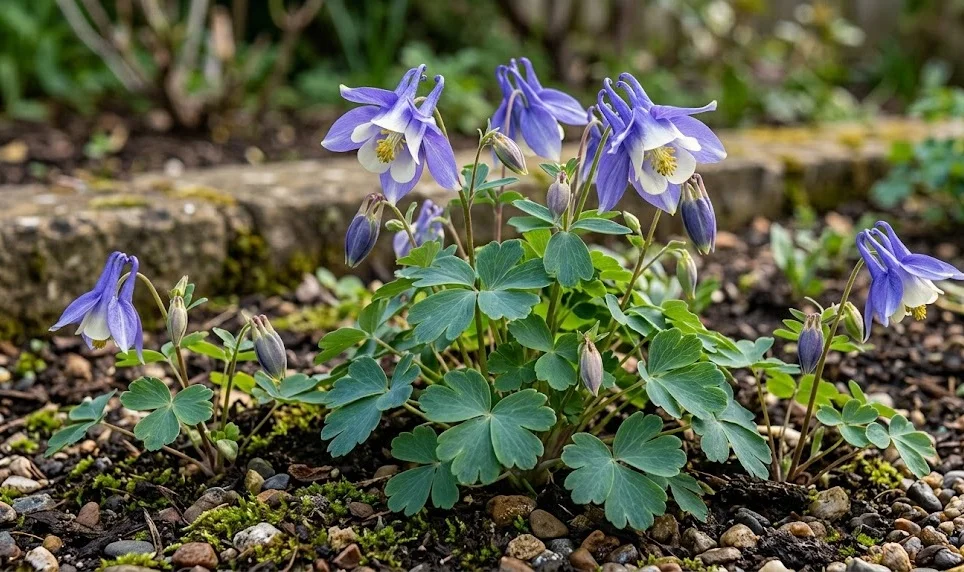
The arrival of spring is an exciting time as the first delicate, purple-tinged leaves of the fan columbine begin to push through the soil. This emergence usually happens quite early, often while there is still a risk of late frosts in many regions. If a particularly cold snap is predicted after the new growth has started, it is wise to temporarily cover the plants with a bit of fleece or an old bucket overnight. This protects the tender new tissue from being “burnt” by the frost and ensures a better start to the season.
Once the danger of heavy frost has passed, you can fully remove any remaining winter mulch and clear away any debris from the center of the crown. This is the perfect time to give the plant its first light feeding of the year with a balanced organic fertilizer or a top-dressing of compost. This nutrient boost provides the energy needed for the rapid growth phase that leads up to the flowering period. You should also check the soil moisture and begin a more regular watering routine if the spring is dry.
Inspect the plant carefully for any signs of winter damage, such as split stems or areas of rot on the crown. If you find any mushy parts, carefully trim them away with a sharp, clean knife to prevent any infection from spreading. In most cases, the plant will quickly recover and fill in any gaps with new growth as the weather warms. If the plant was pushed up by frost heaving, gently firm it back into the soil and add a little extra compost around the base to protect the exposed roots.
Finally, take a moment to appreciate the resilience of these beautiful plants as they transition from the silence of winter to the vibrancy of spring. Each year’s return is a testament to the effectiveness of your care and the natural strength of the species. By following these overwintering steps, you have ensured that your garden will once again be graced by the elegant blooms and lush foliage of the japanese columbine. It is a cycle of renewal that brings endless satisfaction to the dedicated horticulturist.