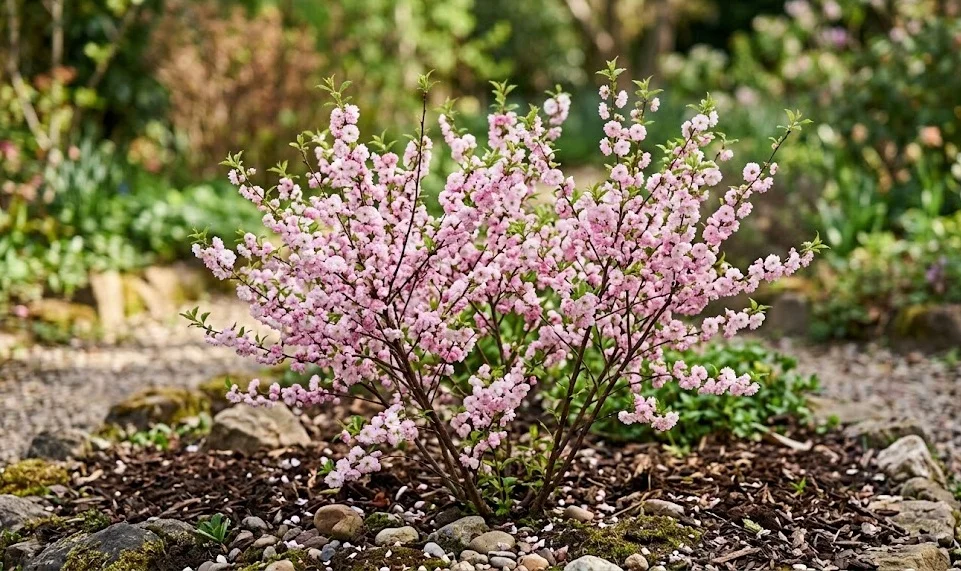

Pruning is a vital horticultural practice that ensures the Japanese dwarf cherry maintains its health, vigor, and characteristic compact form. This ornamental shrub responds well to careful shaping, but it requires a strategic approach to avoid removing the very wood that produces its spectacular flowers. A professional pruning routine involves understanding the timing of the plant’s growth cycles and using the correct techniques to encourage a strong skeletal structure. By mastering the art of cutting back, you can enhance the natural beauty of the specimen while prolonging its life in your garden.
Timing and objectives of pruning
The timing of your pruning efforts is the most critical factor in preserving the ornamental value of the Japanese dwarf cherry. Unlike many other shrubs, this species should primarily be pruned immediately after it has finished flowering in the late spring. Because the plant sets its flower buds for the following year during the summer, pruning too late in the season will remove next spring’s blossoms. Spring pruning also allows the plant the entire growing season to recover and produce new, healthy shoots before the winter.
The primary objective of pruning a young Japanese dwarf cherry is to establish a strong and balanced framework of branches. You should focus on removing any wood that is growing inward toward the center of the shrub, as this can block light and reduce air circulation. Encouraging an outward-growing habit creates a more attractive, open shape that is less susceptible to fungal diseases. In these early years, light and frequent pruning is generally better than infrequent, heavy cutting.
For established shrubs, the goal of pruning shifts toward maintaining size and removing old or unproductive wood. Over time, some branches may become crowded or start to lose their vitality, leading to fewer flowers and smaller leaves. By selectively thinning out these older stems, you encourage the plant to rejuvenate itself from the base. This keeps the shrub looking youthful and ensures that the energy is directed toward the most vigorous parts of the plant.
Emergency pruning can be done at any time of year if a branch becomes broken, diseased, or dead. You should not wait for the ideal season to remove wood that poses a threat to the health of the rest of the shrub. Dead wood can become a point of entry for pests and pathogens, so it should be cut back to healthy tissue as soon as it is noticed. Being a proactive pruner is an essential part of maintaining a professional-standard garden.
More articles on this topic
Proper tools and cutting techniques
Using the right tools is just as important as the timing when it comes to successful pruning. You should always use sharp, high-quality bypass pruners for most tasks on the Japanese dwarf cherry, as they make clean cuts that heal quickly. Avoid using anvil-style pruners, which can crush the delicate stems and create jagged wounds that are more likely to become infected. For slightly thicker branches, a small, sharp pruning saw or a pair of loppers may be necessary to ensure a smooth finish.
Before you begin, and between working on different plants, it is vital to sterilize your pruning tools to prevent the spread of diseases. A simple solution of isopropyl alcohol or a diluted bleach mixture can be used to wipe down the blades. This is a standard professional practice that many amateur gardeners overlook, but it is one of the easiest ways to protect your collection. Keeping your tools in top condition also makes the work easier for you and more precise for the plant.
When making a cut, always aim for a spot just above a healthy, outward-facing bud. This encourages the new growth to go in a direction that opens up the canopy rather than crowding it. The cut should be made at a slight angle, sloping away from the bud so that rainwater can run off easily rather than sitting on the cut surface. You should avoid leaving long “stubs” of wood, as these will likely die back and can attract pests to the shrub.
For larger branches that need to be removed entirely, make the cut just outside the “branch collar”—the slightly swollen area where the branch meets the main stem. This collar contains specialized cells that help the wound heal over rapidly and effectively. Cutting too close to the main stem, or “flush cutting,” can damage this healing tissue and lead to permanent trunk decay. Following these technical guidelines ensures that your pruning efforts support the long-term health of the Japanese dwarf cherry.
More articles on this topic
Renovation and thinning for older specimens
As a Japanese dwarf cherry ages, it may eventually become overly dense or start to lose its ornamental appeal despite regular maintenance. In such cases, a more intensive approach known as renovation pruning may be necessary to restore the shrub’s vigor. This involves the selective removal of up to one-third of the oldest branches right down to the ground level over a period of three years. This gradual process avoids shocking the plant while steadily replacing old wood with fresh, productive growth.
Thinning is a related technique that focuses on removing entire branches to improve light penetration into the interior of the shrub. You should look for areas where branches are crossing or rubbing against each other, as these can create wounds that invite disease. By thinning out the canopy, you ensure that every leaf has a chance to photosynthesize and that the center of the plant stays dry. This is particularly important for preventing the buildup of humidity-loving fungi like powdery mildew.
You might also find that the Japanese dwarf cherry produces “suckers”—vigorous shoots that grow straight up from the base or the roots. These should be removed as soon as they appear, as they rarely produce many flowers and can quickly overwhelm the more desirable parts of the plant. If your shrub is grafted, these suckers often come from the rootstock and will not even have the same characteristics as the ornamental top. Cutting them off at the point of origin keeps the plant’s energy focused where you want it.
Finally, remember that the Japanese dwarf cherry is a “dwarf” variety for a reason, and you should not try to prune it into a shape or size that is unnatural for its genetics. Work with the plant’s inherent form rather than against it to achieve the most professional results. A well-pruned shrub should look as though it has hardly been touched, possessing a natural elegance that highlights its best features. Patience and observation are the most valuable tools in any gardener’s pruning kit.