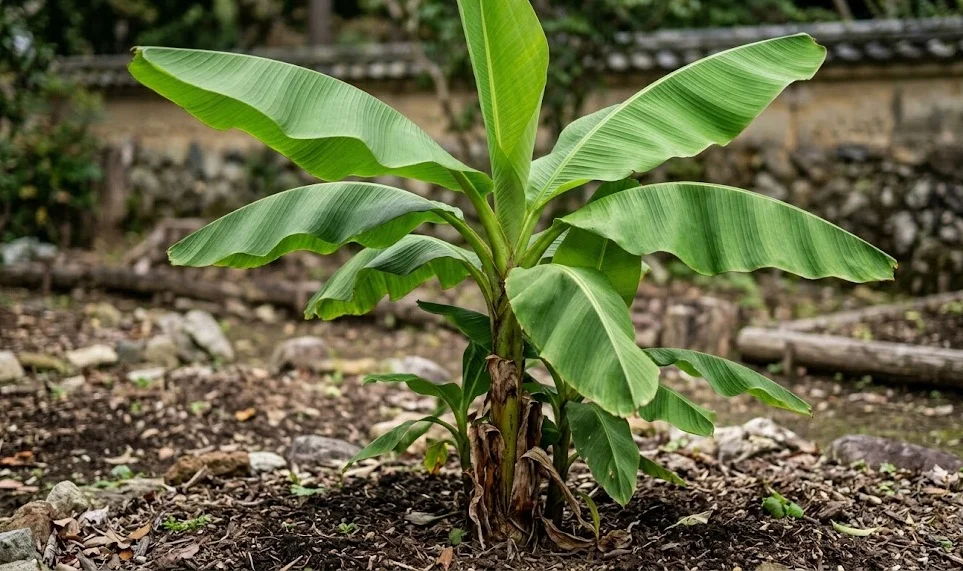

Maintaining the health of a Japanese banana involves a proactive approach to identifying and managing various diseases and pests that can threaten its structural integrity and aesthetic appeal. While this species is notably more robust than many other members of its genus, it is not entirely immune to environmental stressors and biological invaders. Understanding the common symptoms of distress allows you to intervene early, often preventing minor issues from becoming catastrophic failures. A healthy, well-fed plant is always the best defense, but knowing how to handle specific problems is a crucial skill for any dedicated gardener.
Common fungal and foliar issues
Fungal pathogens are among the most frequent problems encountered when growing large-leaved plants like the Japanese banana, especially in humid or poorly ventilated areas. Leaf spot diseases often appear as small, dark brown or black lesions on the foliage, which can eventually merge and cause entire sections of the leaf to die. These issues are usually exacerbated by overhead watering or prolonged periods of rain where the leaves remain wet for several hours. Maintaining good air circulation around the plant is the most effective way to prevent these spores from taking hold.
Anthracnose is another fungal condition that can affect the leaves and even the developing fruit if the plant is mature enough to produce it. This disease often manifests as sunken, dark spots with a yellowish halo and can lead to premature leaf drop if left unchecked. If you notice these symptoms, it is important to remove the affected leaves immediately and dispose of them far away from the compost pile to prevent the spores from spreading. Fungicidal sprays can be used as a last resort, but cultural controls are usually sufficient for home gardens.
Powdery mildew is less common on bananas than on other garden plants, but it can occasionally appear during periods of high humidity and moderate temperatures. It looks like a fine, white dust on the surface of the leaves and can interfere with photosynthesis if the coverage becomes extensive. This fungus thrives in stagnant air, so thinning out nearby vegetation to improve wind flow can often solve the problem without the need for chemicals. A simple mixture of water and a small amount of baking soap can also act as an effective organic treatment for mild cases.
The best way to manage foliar diseases is to avoid getting the leaves wet during your regular watering routine. Directing the water solely at the base of the plant keeps the “canopy” dry and much less hospitable to fungal spores. Additionally, cleaning up fallen leaves and debris from around the base of the plant removes potential overwintering sites for many pathogens. By keeping the growing environment clean and well-ventilated, you can enjoy the lush green foliage of your banana without the distraction of unsightly spots or blights.
More articles on this topic
Managing root and rhizome rot
Root and rhizome rot are perhaps the most serious threats to the Japanese banana, as they attack the very life center of the plant. These conditions are almost always caused by “wet feet,” where the soil remains saturated for too long, depriving the roots of oxygen and allowing opportunistic pathogens to invade. The first sign of trouble is often a general decline in the plant’s vigor, followed by yellowing leaves that don’t respond to watering or fertilizer. In severe cases, the pseudostem may feel soft or mushy near the ground level, and a foul odor may be present.
To prevent rot, it is essential to ensure that your planting site has excellent drainage and that you are not overwatering during cool or overcast weather. If you suspect your plant is suffering from root rot, the first step is to immediately stop watering and allow the soil to dry out as much as possible. In some cases, you may need to dig up the rhizome to inspect it and cut away any blackened, soft, or decayed sections with a sterilized knife. Treating the remaining healthy tissue with a dusting of cinnamon or a specialized fungicide can help it recover once replanted in better soil.
Soil-borne pathogens like Fusarium wilt are a more complex issue and can sometimes affect hardy bananas, although they are more common in commercial fruit-growing regions. This disease causes the vascular system of the plant to clog, preventing water from reaching the leaves and leading to rapid wilting and death. Unfortunately, there is no cure for a plant infected with Fusarium, and it is often necessary to remove and destroy the entire specimen to protect the rest of your garden. Choosing disease-free stock from reputable nurseries is the best way to avoid introducing such serious problems.
Long-term management of soil health is the ultimate insurance policy against root-related diseases. Incorporating organic matter like compost into the soil encourages a diverse community of beneficial microorganisms that can naturally suppress harmful pathogens. Avoiding physical damage to the rhizome during planting or weeding also removes potential entry points for rot-causing fungi and bacteria. A resilient, well-aerated soil environment is a place where the Japanese banana can develop a massive, healthy root system that is capable of withstanding occasional environmental stress.
More articles on this topic
Identifying and controlling common pests
While the Japanese banana is not a primary target for many common garden pests, several insects can cause significant cosmetic and physiological damage if their populations are allowed to explode. Spider mites are the most frequent culprits, especially during hot, dry spells when they thrive on the undersides of the massive leaves. These tiny arachnids suck the sap from the plant’s cells, leading to a stippled, yellowed appearance and a general loss of luster in the foliage. You can often detect them by the fine webbing they leave behind in the leaf axils or on the leaf surfaces.
Aphids are another common visitor, often congregating on the tender new growth of the “cigar leaf” as it emerges from the top of the plant. While a few aphids are rarely a problem, large colonies can distort the shape of the developing leaves and produce a sticky substance called honeydew. This honeydew can then attract ants or lead to the growth of sooty mold, which further disfigures the plant. A strong blast of water from a garden hose is often enough to dislodge these pests and keep their numbers under control without the need for insecticides.
Scale insects and mealybugs can occasionally be found hiding in the tight crevices of the pseudostem or where the leaf stalks meet the main body of the plant. These pests are well-camouflaged and can be difficult to spot until their numbers are quite high. They also feed on the plant’s sap and can weaken a young banana if they are not removed. For small infestations, dabbing the insects with a cotton swab dipped in rubbing alcohol is an effective and targeted way to eliminate them.
In some regions, the banana root borer may pose a threat, particularly if there are other banana species nearby. The larvae of this weevil tunnel into the rhizome, causing internal damage that can lead to the sudden collapse of the pseudostem. Signs of borer activity include small holes at the base of the plant and a general lack of stability in the stem. Maintaining a clean garden and avoiding the introduction of infested plant material are the primary ways to prevent this serious pest from establishing itself in your landscape.
Preventive measures and garden hygiene
The old adage that “an ounce of prevention is worth a pound of cure” is particularly true when it comes to managing the health of a Japanese banana. Most of the diseases and pests that affect these plants are opportunistic, meaning they primarily target specimens that are already stressed by poor environment or nutrition. By ensuring your banana has the right amount of light, water, and nutrients, you are already doing eighty percent of the work required to keep it pest-free. A vigorous plant has natural chemical and physical defenses that make it a much less attractive target.
Garden hygiene is a critical component of disease prevention that many enthusiasts overlook in the pursuit of a lush, tropical look. Removing dead or dying leaves promptly prevents them from becoming breeding grounds for fungi and hiding spots for insects. At the end of the growing season, clear away any old mulch that may be harboring pests or spores and replace it with fresh material. These simple housekeeping tasks can significantly reduce the “pest pressure” your plant faces throughout the following year.
Proper tool maintenance is another essential practice for the responsible banana grower. Always clean and sterilize your pruning shears, spades, and knives after using them on a plant, especially if you suspect it might be diseased. A quick dip in a ten percent bleach solution or a wipe with alcohol can prevent you from accidentally spreading pathogens from one specimen to another. This is particularly important when dividing pups or performing any “surgery” on the rhizome to remove rot.
Monitoring your plant regularly is the final piece of the preventive puzzle. Make it a habit to inspect the undersides of the leaves and the base of the pseudostem at least once a week during the growing season. Catching a spider mite infestation or a small patch of leaf spot early makes it much easier to manage with gentle, organic methods. Your eyes are your best tool for ensuring that your Japanese banana remains a healthy and vibrant centerpiece of your garden for years to come.
Natural and organic remedies
When intervention is necessary, many gardeners prefer to use natural and organic remedies that are safe for the environment and beneficial insects. Neem oil is a versatile organic treatment that works against a wide variety of pests, including spider mites, aphids, and scale insects. It acts as a repellent and also interferes with the life cycle of the pests, preventing them from maturing and reproducing. Applying neem oil in the early morning or late evening ensures that you don’t accidentally harm bees or other pollinators that might be visiting your garden.
Insecticidal soaps are another excellent option for dealing with soft-bodied pests like aphids and mealybugs. These soaps work by breaking down the outer membranes of the insects, causing them to dehydrate and die relatively quickly. Because they only work on contact, you must ensure that you thoroughly coat the affected areas, including the hidden crevices of the plant. These soaps are generally very safe to use and have a minimal impact on the surrounding ecosystem compared to synthetic chemical sprays.
For fungal issues, a simple spray made from milk and water (in a one-to-nine ratio) has been shown to be effective against certain types of mildew and leaf spots. The proteins in the milk appear to have a mild fungicidal effect when exposed to sunlight, providing a cheap and safe alternative to commercial products. Similarly, a solution of copper-based organic fungicide can be used for more persistent fungal problems like anthracnose. Always test any new spray on a small section of a single leaf first to ensure the plant doesn’t have an adverse reaction.
Encouraging biological controls is perhaps the most sustainable “remedy” of all for any garden. By creating a habitat that attracts ladybugs, lacewings, and predatory mites, you are recruiting a tiny army to help keep your banana’s pests in check. Avoiding broad-spectrum chemical pesticides is the best way to protect these natural allies and maintain a balanced ecosystem. In a well-managed garden, nature often does the hardest work for you, leaving you more time to simply enjoy the beauty of your Japanese banana.