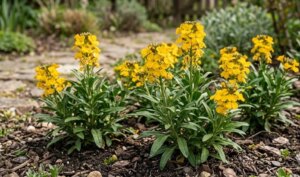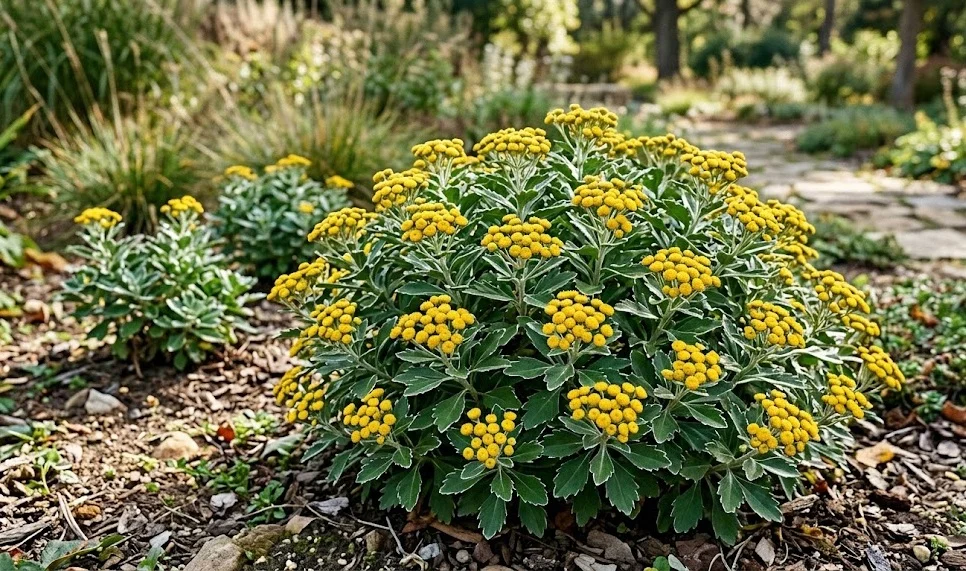

Light is the primary driver of the unique aesthetic qualities that make the Japanese gold chrysanthemum such a prized garden specimen. Without the correct balance of solar energy, the plant’s distinctive silver leaf margins and compact form will quickly degrade. Understanding the nuances of light intensity and duration is essential for anyone looking to cultivate this plant to a professional standard. This guide explores how to optimize the light environment for maximum visual impact and long-term plant health.
In its natural habitat along the rocky coasts of Japan, this species is exposed to intense, unfiltered sunlight for most of the day. This evolutionary background has programmed the plant to thrive in high-light environments where many other perennials might struggle. The silver hairs on the leaves are actually an adaptation that reflects excess light and helps the plant manage its internal temperature. Providing a location that mimics these bright coastal conditions is the key to achieving the most vibrant foliage colors.
While the plant craves sun, the quality of that light can vary significantly depending on the time of day and the time of year. Morning sun is often the most beneficial, providing the energy needed for photosynthesis without the intense heat of the late afternoon. In very hot climates, a small amount of dappled shade during the hottest part of the day can prevent the leaves from becoming scorched. However, this is a delicate balance, as too much shade will lead to a leggy, unattractive growth habit.
The impact of light also extends to the plant’s flowering cycle, as it relies on changing day lengths to trigger the development of buds. As a late-season bloomer, the Japanese gold chrysanthemum is sensitive to the transition from summer’s long days to autumn’s shorter ones. Professional gardeners pay close attention to the placement of these plants to ensure they aren’t affected by artificial light sources at night. This article provides a detailed look at managing light for this exceptional and visually stunning species.
Sunlight intensity and duration
The gold standard for light exposure is at least six to eight hours of direct, unobstructed sunlight every single day. This duration ensures that the plant has enough energy to maintain its dense, mounded shape and produce its characteristic silver leaf edges. If the plant receives less than six hours of sun, it will often begin to “stretch” toward the light, losing its compact form. This leggy growth is not only less attractive but also more prone to being flattened by wind or rain.
More articles on this topic
Light intensity is just as important as duration, and the Japanese gold chrysanthemum can handle the brightest spots in most gardens. The silver coloration of the foliage is actually most intense when the plant is grown in full, bright light. This is because the plant produces more of the protective silver hairs in response to high light levels, enhancing its ornamental value. In contrast, plants grown in part shade will often appear more green and lose the dramatic contrast that defines the species.
For those gardening in northern latitudes or areas with frequent cloud cover, finding the brightest possible spot is even more critical. Placing the plant near a light-colored wall or on a reflective surface can help maximize the amount of light it receives. Conversely, in the desert or very hot southern regions, the sheer intensity of the sun can sometimes be too much for even this sun-loving plant. In these cases, focus on providing ample morning light while offering some protection from the searing rays of the mid-afternoon sun.
Observe the plant over several weeks to see how it responds to its current light levels and be prepared to move it if necessary. If the internodes—the space between the leaves—are becoming longer, it is a clear sign that the plant needs more light. On the other hand, if the leaves look dull and the silver edges are turning brown, it may be receiving too much intense heat along with the light. A professional gardener is always willing to adjust the plant’s position to find that perfect “sweet spot” of illumination.
Exposure, orientation, and microclimates
The orientation of your garden bed—whether it faces north, south, east, or west—will dictate the type of light your plant receives. A south-facing location is generally the most ideal, as it provides the most consistent and intense light throughout the day. This exposure mimics the open coastal cliffs where the plant naturally thrives, allowing it to reach its full genetic potential. East-facing spots are also excellent, providing cool morning light that dries the dew quickly and powers early-day growth.
More articles on this topic
West-facing locations provide very intense light in the afternoon, which can be accompanied by high temperatures that stress the plant. If your only option is a western exposure, you must be extra vigilant about soil moisture to compensate for the increased evaporation. North-facing sites are usually too shaded for the Japanese gold chrysanthemum and should be avoided if possible. The lack of direct sun in a northern exposure will almost certainly lead to a weak, green, and unproductive plant.
Microclimates within the garden, created by trees, buildings, or other structures, can significantly alter the light patterns over the course of a day. A spot that seems sunny in the early spring might become quite shaded as the nearby deciduous trees leaf out in the summer. It is important to account for these seasonal changes when choosing a permanent home for your chrysanthemum. Professional landscape planning involves mapping out these light patterns to ensure long-term success for all sun-demanding species.
Reflected light can also play a major role, especially in urban environments with glass buildings or light-colored concrete. While this extra light can be a boost in cooler climates, it can also create “hot spots” that can burn the foliage if not managed. Using mulch can help keep the roots cool even when the foliage is bathed in intense reflected light from above. By understanding these subtle environmental factors, you can create a lighting environment that is perfectly tailored to the needs of the plant.
Impact of light on flowering and color
The transition from vegetative growth to flowering is a complex process that is heavily influenced by the seasonal changes in light. Like many chrysanthemums, this species is “short-day” sensitive, meaning it begins to form flower buds as the days become shorter in the late summer. This natural clock ensures that the flowers appear at the optimal time for the plant’s reproductive success. Any interference with this light cycle, such as nearby streetlights or bright security lights, can disrupt the flowering process.
If the plant is exposed to artificial light during the night, it may be “fooled” into thinking the days are still long, causing it to delay or even skip flowering. To avoid this, place the Japanese gold chrysanthemum in a spot that remains truly dark once the sun goes down. This is particularly important for those living in urban areas where light pollution is a constant factor. Ensuring a natural dark period is a professional trick for getting the most reliable and abundant floral display every autumn.
Light also directly affects the brilliance and quality of the golden flowers once they finally emerge. Plants grown in high light will produce more numerous and more intensely colored flower clusters than those in the shade. The contrast between the bright yellow “buttons” and the silver-edged leaves is maximized when the plant is fully powered by the sun. This visual payoff is the ultimate reward for the gardener who has carefully managed the plant’s light requirements throughout the year.
Finally, the quality of light in the late autumn can affect how long the flowers last and how well they hold their color. Gentle, clear sunlight during the blooming period will keep the flowers looking fresh for several weeks. If the autumn is exceptionally dark and rainy, the flowers may fade more quickly or be prone to fungal issues. By providing the best possible light environment from the start, you give the plant the resources it needs to overcome these late-season challenges and finish the year in glory.