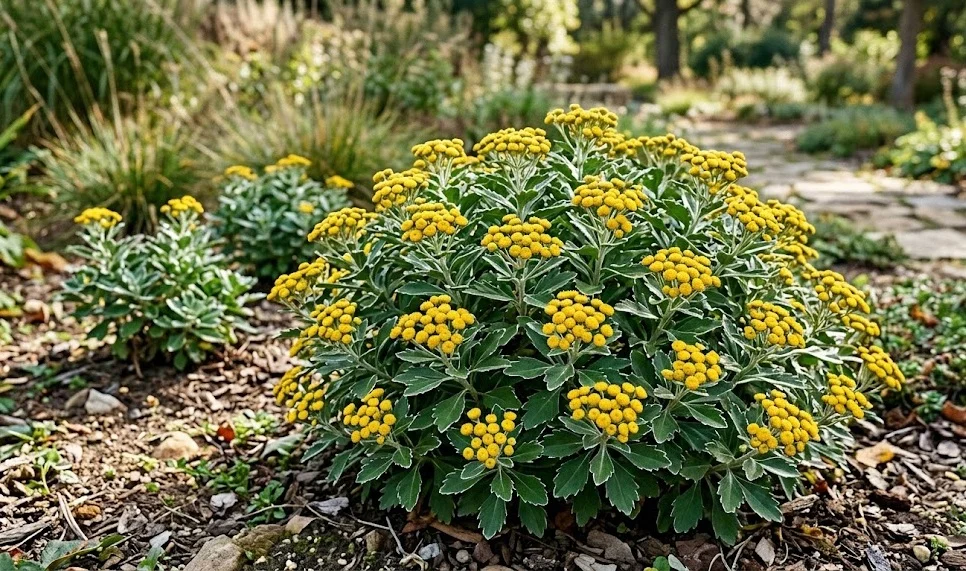

The Japanese gold chrysanthemum is a remarkably resilient perennial that offers unique aesthetic value to late-season gardens. This plant is celebrated for its silver-edged foliage and button-like yellow flowers that appear when most other plants fade. Understanding its specific needs is the first step toward a thriving and vibrant garden display. Expert gardeners appreciate this species for its ability to withstand coastal conditions and provide structure throughout the year.
Maintaining this plant requires a balance between patience and consistent observation of its growth patterns. While it is generally hardy, it responds best to environments that mimic its natural seaside origins. Gardeners should pay close attention to the soil quality and drainage to ensure long-term success. A well-maintained specimen can serve as a stunning focal point or a dense groundcover depending on how it is managed.
The silver margins on the leaves are the most distinctive feature, requiring clean air and proper light to remain vivid. If the plant is neglected, these margins may fade, leading to a less dramatic visual impact in the landscape. Regular inspections for dust or pollution on the leaves can help maintain the plant’s photosynthetic efficiency. Keeping the foliage healthy ensures that the plant has enough energy to produce its characteristic late-autumn blooms.
Professional care involves more than just basic survival; it aims for the optimal expression of the plant’s genetic potential. This means providing the right minerals and ensuring the root system is never waterlogged or excessively dry. By following a structured care routine, even novice gardeners can achieve professional results with this exotic species. The rewards of such diligence are visible in the lush, mounded growth habit that defines a healthy specimen.
Soil and substrate requirements
The foundation of health for any Japanese gold chrysanthemum lies in the physical and chemical composition of the soil. This plant thrives in well-draining, sandy or loamy substrates that allow for excellent aeration around the roots. Heavy clay soils are particularly dangerous as they retain too much moisture during the dormant winter months. Integrating organic matter like well-rotted compost can improve soil structure without sacrificing the necessary drainage.
More articles on this topic
Soil pH is another critical factor that dictates nutrient availability and overall plant vigor. Ideally, the substrate should be slightly acidic to neutral, ranging between 6.0 and 7.0 on the pH scale. If the soil is too alkaline, the plant may suffer from chlorosis, leading to yellowing leaves and stunted growth. Regular soil testing is recommended to ensure that the mineral balance remains within the optimal range for perennial success.
Compaction is a silent enemy that can slowly suffocate the delicate root hairs of the chrysanthemum. In garden beds, it is important to avoid stepping directly on the root zone to prevent the soil from becoming too dense. Using a layer of light mulch can help protect the surface structure while keeping the temperature stable. Aerating the soil gently in early spring can also help the plant establish a deeper and more robust root system.
For container-grown specimens, the choice of potting mix is even more restricted and specialized. A high-quality professional potting soil mixed with perlite or coarse sand provides the necessary porosity for drainage. Since nutrients leach out of pots more quickly, the substrate must be capable of holding some moisture while letting the excess escape. Replacing the top layer of soil every spring can refresh the environment and provide a boost of essential minerals.
Microclimate and environmental factors
Creating the right microclimate is essential for mimicking the coastal cliffs where this plant naturally evolves. It prefers areas with good air circulation, which helps prevent the development of fungal diseases on the dense foliage. Stagnant air can lead to humidity buildup, especially during the warm summer months when the leaves are most lush. Placing the plant in a spot that catches a gentle breeze can significantly improve its overall health and resilience.
More articles on this topic
Temperature fluctuations are generally well-tolerated by established plants, but extremes should be managed carefully. While they enjoy the warmth of summer, excessive heat without adequate humidity can cause the leaf edges to brown. Conversely, they are quite cold-hardy, yet they benefit from being shielded from biting north winds in the winter. Finding a sheltered spot against a south-facing wall can provide the perfect balance of warmth and protection.
Humidity levels play a subtle but important role in the maintenance of the silver leaf margins. In very dry inland climates, the plant may benefit from occasional misting or being grouped with other perennials to create a humid pocket. However, this must be balanced with the need for dry foliage during the night to avoid rot. Observation of the leaf texture will often tell the gardener if the air is too dry or too damp.
Urban environments present unique challenges such as heat islands and reflected glare from glass buildings. The Japanese gold chrysanthemum is surprisingly tolerant of urban pollution, making it a great choice for city gardens. However, gardeners should be aware that stone or concrete surfaces can radiate heat long after the sun goes down. Monitoring the soil moisture more frequently in these settings is a professional necessity to prevent heat stress.
Seasonal maintenance routines
Spring is the season of renewal and the most active time for preparing the plant for the year ahead. As the first signs of green growth appear, any dead stems or winter-damaged foliage should be carefully removed. This is also the ideal time to apply a balanced, slow-release fertilizer to support the coming surge of energy. Ensuring the soil is loose and free of weeds will give the chrysanthemum the best start possible.
During the height of summer, the primary focus shifts to moisture management and maintaining the plant’s shape. Regular checking of the soil depth for dryness is essential, especially during prolonged heatwaves or dry spells. Some gardeners choose to do a light thinning of the foliage to ensure light reaches the interior of the mound. This prevents the inner leaves from yellowing and falling off due to a lack of light and air.
Autumn is the crowning moment for this species as it prepares to showcase its golden floral clusters. As the days shorten, the plant naturally shifts its energy from leaf production to flower development. It is important to avoid heavy pruning at this stage, as it could remove the developing flower buds. Providing a final light application of potassium-rich fertilizer can help strengthen the stems for the weight of the blooms.
Winter care is largely about protection and ensuring the plant remains dormant without rotting. In colder regions, a thick layer of dry mulch such as straw or bark can protect the crown from freezing. It is vital to stop all fertilization and significantly reduce watering during this period of inactivity. Keeping the area around the plant clear of heavy snow piles can prevent physical damage to the brittle winter stems.
Growth habit and structural management
The natural growth habit of the Japanese gold chrysanthemum is a low, spreading mound that can reach significant widths. If left to its own devices, it can become a dense carpet that effectively suppresses weeds in the garden. However, without some guidance, the center of the plant can eventually become woody and less productive. Encouraging new growth from the base is a key strategy for keeping the plant looking youthful and vibrant.
To maintain a compact shape, some tip-pinching can be performed in the early summer months. This technique encourages the plant to branch out, resulting in a fuller appearance and more flowering points. Professionals often use this method to prevent the plant from becoming too leggy or sprawling over its neighbors. A well-timed pinch can make the difference between a messy plant and a masterpiece of garden geometry.
Space management is crucial when planting multiple specimens to ensure they don’t compete too fiercely for resources. Allowing enough room for each plant to reach its mature width ensures that air can circulate between the mounds. If the plants become too crowded, they may lose their lower leaves, creating an unsightly “bare leg” effect. Strategic thinning of the outer edges can help maintain the individual integrity of each plant in a mass planting.
Monitoring the height of the plant is also important, especially if it is being used in a rock garden or as a border. While it generally stays low, some varieties or conditions can lead to taller, more upright stems. Supporting these stems with low-profile stakes can prevent them from flopping over during heavy autumn rains. A pro-active approach to structural management ensures that the plant remains an asset to the garden design throughout the seasons.
Container gardening and balcony care
Growing the Japanese gold chrysanthemum in pots offers flexibility and the ability to control the environment perfectly. Containers must have large drainage holes to prevent the “wet feet” syndrome that can kill the plant quickly. Using a heavy material like terracotta can provide stability and help the roots breathe through the porous walls. Potted plants are more susceptible to temperature swings, so they should be monitored more closely than those in the ground.
The confined space of a pot means that the plant will exhaust its nutrients much faster than in a garden bed. Using a liquid fertilizer every two weeks during the growing season is often necessary to maintain the lush silver foliage. It is important to flush the soil with plain water occasionally to prevent the buildup of fertilizer salts. This practice keeps the root environment healthy and prevents chemical burns on the sensitive root tips.
Moving pots to follow the sun or to escape harsh weather is one of the greatest advantages of container gardening. In the summer, the pot can be placed in the brightest spot, while in winter, it can be moved closer to the house for warmth. If the balcony is very high and windy, the plant may need additional protection or a more sheltered corner. Securely anchoring the pots will prevent them from tipping over during high-wind events that occur in urban canyons.
Repotting should be done every two years to prevent the plant from becoming root-bound and losing vigor. This is best accomplished in the early spring just as the plant begins its new growth cycle. Trimming the roots slightly and providing fresh substrate can rejuvenate an older specimen and encourage a new flush of growth. Choosing a pot that is only one size larger will prevent the soil from staying too wet around a small root ball.
Long term sustainability and health
A healthy Japanese gold chrysanthemum can live for many years if its basic needs are consistently met. Sustainability in the garden means creating an ecosystem where the plant can thrive with minimal chemical intervention. Using organic mulches and natural pest control methods supports a healthy soil microbiome that benefits the plant. Over time, the plant becomes more resilient and better adapted to the specific conditions of your local environment.
Diversity in the garden helps protect individual plants like the chrysanthemum from specialized pests and diseases. By surrounding it with a variety of other perennials, you create a more stable environment that discourages outbreaks. Beneficial insects are attracted to a diverse garden and will help keep common pests like aphids under control. This natural balance reduces the need for intensive management and promotes a self-sustaining landscape.
Monitoring the long-term changes in the garden’s light and soil is part of being a professional gardener. As nearby trees grow, they may cast more shade, requiring you to move the chrysanthemum to a sunnier spot. Soil can also become depleted or compacted over several years, necessitating a more thorough rejuvenation of the bed. Staying observant of these slow changes ensures that the plant remains healthy for its entire natural lifespan.
Sharing cuttings or divisions with other gardeners is a great way to ensure the legacy of your specific plant. It also serves as a safety net; if something happens to your original specimen, you can get a start back from a friend. This community-based approach to gardening fosters a deeper connection to the plants we grow and the people around us. Ultimately, the success of the Japanese gold chrysanthemum is a testament to the gardener’s skill and dedication to excellence.