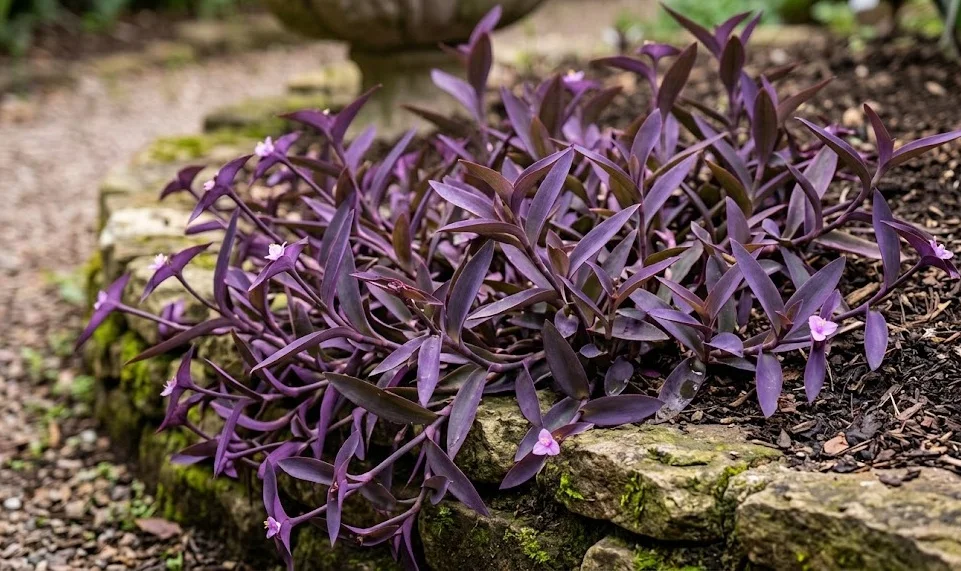

Mastering the art of pruning is essential for maintaining the aesthetic appeal and structural health of your purple heart. This fast-growing species can quickly become unruly or “leggy” if left to its own devices for too long. Regular cutting back not only keeps the plant looking tidy but also stimulates new, bushier growth that is more visually impactful. A professional approach to pruning involves understanding when to cut, where to make your incisions, and how to use the process to rejuvenate your plants.
The primary goal of pruning is often to control the size and shape of the plant, especially when it is grown in containers or small garden spaces. Because the stems naturally trail and spread, they can eventually move into areas where they are not wanted or become too heavy for their own support. Removing these excess stems keeps the plant within its intended boundaries and maintains a balanced appearance. Professional grooming is a routine part of high-quality horticultural maintenance.
Pruning is also a vital tool for removing dead, damaged, or diseased material that could otherwise compromise the health of the entire plant. Stems that have become brittle, lost their color, or show signs of pest activity should be removed promptly. This simple act of sanitation prevents the spread of issues and allows the plant to focus its resources on its healthiest parts. Regularly inspecting your plants for areas that need attention is a hallmark of a dedicated gardener.
The timing of your pruning efforts can influence how the plant responds and how quickly it recovers. While minor tidying can be done at any time, heavy pruning is best performed during the active growing season in spring and early summer. During this time, the plant’s high metabolic rate allows it to quickly produce new shoots from the dormant buds below the cuts. Understanding this seasonal response ensures that your pruning leads to a more vibrant and refreshed specimen.
Encouraging bushier and more compact growth
One of the most common issues with the purple heart is its tendency to grow long, thin stems with large gaps between the leaves. This often occurs in lower light conditions or as the plant ages, resulting in a sparse and unattractive appearance. You can easily correct this by “pinching” or cutting back the growing tips of the stems. This process removes apical dominance, signaling the plant to activate the dormant buds along the stem.
More articles on this topic
When you remove the tip of a stem, the plant will typically respond by producing two or more new branches from the nodes below the cut. Over time, repeated pinching results in a much fuller, bushier plant with a dense canopy of purple leaves. This technique is especially useful for specimens in hanging baskets where a lush, overflowing look is desired. Professional gardeners often use this method to maintain a specific density for their displays.
How far back you choose to cut depends on the current state of the plant and your ultimate goals. For a minor refresh, you might only remove the top few inches of each stem to encourage a bit of extra branching. For a more drastic rejuvenation of an old, leggy plant, you can cut the stems back to within a few inches of the soil line. The purple heart is remarkably resilient and will quickly sprout new growth from its base, leading to a completely renewed plant.
It is important to make your cuts just above a leaf node, which is the point where the leaf attaches to the stem. This is where the highest concentration of growth hormones is located and where the new shoots will emerge. Making a clean cut at this location ensures that the plant heals quickly and starts its new growth with minimal stress. Avoid leaving long stubs of bare stem above the node, as these can die back and become entry points for decay.
Removing leggy stems and managing debris
Managing the older, less productive parts of the plant is just as important as encouraging new growth. As the stems grow longer, the oldest leaves near the base often begin to wither and turn brown as part of their natural life cycle. Removing these dead leaves not only improves the look of the plant but also reduces the hiding spots for common pests like mealybugs. Keeping the center of the plant clean and open also improves air circulation, which is key for disease prevention.
More articles on this topic
If a stem has become excessively long and has lost most of its lower leaves, it is often best to remove it entirely or cut it back severely. This “thinning out” of the plant prevents it from becoming a tangled mess and allows light to reach the inner foliage. You can use these removed stems as a source for propagation, turning your pruning waste into new plants. Professional resourcefulness is a great way to expand your garden while maintaining your existing collection.
During the pruning process, you should also take the opportunity to remove any spent flowers and their stalks. While the blossoms are charming, they are short-lived and can look messy once they begin to fade. Deadheading, or the removal of old flowers, prevents the plant from putting energy into seed production and instead directs it back into leaf and stem growth. This keeps the foliage looking its best and may even encourage a longer flowering period.
Always ensure that you collect and dispose of all the material you have removed from the plant. Leaving piles of green or purple debris at the base of your plants can encourage rot and attract unwanted insects. In a professional garden setting, this material is often composted or disposed of far away from healthy specimens. A clean workspace is the final step in a successful pruning session and reflects the care you put into your horticultural hobby.
Tools and sanitization techniques for professional results
Using the right tools for pruning makes the job easier and ensures the best possible outcome for the health of your plant. For the fleshy stems of the purple heart, a pair of sharp, bypass pruning shears or even a sharp pair of kitchen scissors is usually sufficient. Avoid using blunt tools that can crush the delicate tissues, as this creates ragged wounds that take longer to heal. A clean, precise cut is the first step in a professional-grade pruning job.
Sanitization is perhaps the most critical part of the pruning process that is often overlooked by home gardeners. Before you begin and between pruning different plants, you should always clean your blades with rubbing alcohol or a diluted bleach solution. This prevents the accidental spread of fungal spores or bacteria from one plant to another. Taking this simple precaution is a professional standard that can save your entire collection from a devastating disease outbreak.
The sap of the purple heart can be slightly irritating to the skin of some individuals, so you may want to wear gloves during heavy pruning. The stems are also very juicy, and the purple sap can sometimes stain clothing or porous surfaces. Working in a dedicated area and being mindful of where the sap goes is a practical part of professional garden maintenance. If you do get sap on your skin, simply wash it off with soap and water to avoid any potential irritation.
Finally, observing how your plant responds to your pruning efforts over the following weeks provides valuable feedback. You will start to see new shoots emerging and the plant taking on a much more vibrant and compact shape. Use these observations to refine your technique and determine the best frequency for pruning in your specific environment. Every cut you make is an opportunity to learn more about the growth habits and needs of this beautiful and resilient species.