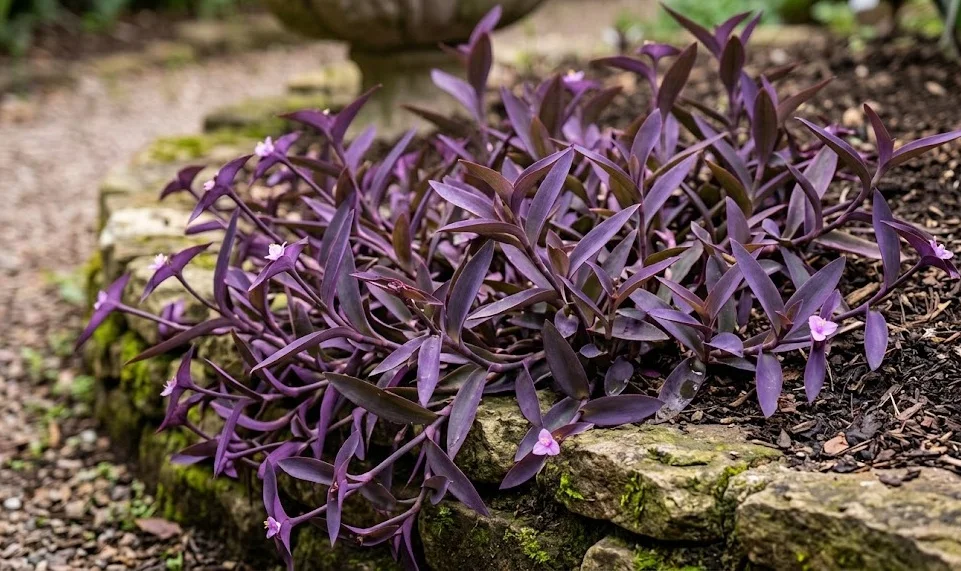

Protecting your purple heart from biological threats requires a vigilant eye and a proactive approach to garden hygiene. While this species is remarkably hardy, it can still fall victim to various pests and diseases that compromise its beauty and health. Identifying these issues early is the key to successful treatment and preventing the spread to other plants in your collection. Professional management involves a combination of cultural practices, natural remedies, and targeted interventions when necessary.
The first line of defense against any threat is maintaining the overall vigor of the plant through proper care. A healthy plant is much better equipped to naturally resist infections and recover quickly from minor pest damage. Stress factors like improper watering or poor light can weaken the plant’s immune system, making it an easy target. Regularly inspecting the undersides of leaves and the stem junctions is a vital habit for every gardener.
Sanitation is a critical component of disease prevention that is often overlooked in home gardens. Always use clean, sterilized tools when pruning or taking cuttings to avoid introducing pathogens directly into the plant’s vascular system. Removing fallen leaves and organic debris from the base of the plant eliminates hiding spots for pests and breeding grounds for fungi. A tidy garden is naturally a healthier environment for all your horticultural specimens.
When a problem is identified, isolating the affected plant is the professional way to prevent a localized issue from becoming a widespread infestation. Move the plant away from its neighbors and treat it in a dedicated area until the symptoms have completely cleared. This step is especially important for indoor collections where plants are often kept in close proximity. Prompt action can save your entire collection from the stress of a major disease outbreak.
Common insect pests and their management
Mealybugs are one of the most frequent pests found on purple hearts, often appearing as small, white, cottony clusters in the leaf axils. These sap-sucking insects can weaken the plant and cause distorted growth or sticky “honeydew” deposits on the leaves. You can treat minor infestations by dabbing the individual bugs with a cotton swab dipped in rubbing alcohol. For more extensive problems, an application of insecticidal soap or neem oil may be required.
More articles on this topic
Spider mites are another common threat, particularly in dry indoor environments or during the peak of summer heat. These tiny arachnids are often hard to see with the naked eye, but their presence is revealed by fine webbing and stippled, yellowed leaves. Increasing the humidity around the plant can help deter these pests, as they thrive in arid conditions. Washing the plant with a strong stream of water can physically remove many of the mites and their eggs.
Scale insects can also target the fleshy stems, appearing as small, hard, brown or tan bumps that do not move. They feed on the plant’s fluids and can be difficult to eliminate due to their protective waxy shells. Scraping them off manually with a soft brush or fingernail can be effective for small populations. Applying a horticultural oil can suffocate the insects and their larvae without damaging the plant’s delicate tissues.
Aphids are small, pear-shaped insects that often cluster on the new, tender growth at the tips of the stems. They come in various colors, but they all cause similar damage by sucking the life out of the plant’s most active areas. A simple spray of soapy water is often enough to control aphids, as it disrupts their outer membranes. Checking for ants around the plant is also important, as they sometimes “farm” aphids for their honeydew and protect them from predators.
Fungal issues and root rot
Root rot is arguably the most dangerous condition for a purple heart, usually caused by excessively wet soil and poor drainage. This fungal or bacterial infection attacks the roots, causing them to turn black, mushy, and lose their ability to transport water. If you notice the plant wilting despite the soil being wet, root rot is the most likely culprit. Immediate intervention is required to save the plant, including removing the damaged roots and repotting in fresh soil.
More articles on this topic
Leaf spot diseases can manifest as brown, black, or tan circles on the foliage, often with a yellow halo. These are typically caused by fungal spores that thrive in humid conditions with poor air circulation. To manage leaf spot, remove any affected leaves immediately and avoid getting water on the foliage during irrigation. Improving the spacing between your plants can increase airflow and help the leaves dry more quickly after rain or watering.
Botrytis, or gray mold, can sometimes affect the flowers or soft stem tissues during cool, damp weather. This fungus appears as a fuzzy gray growth that can quickly cause the affected parts to collapse and rot. Maintaining a clean garden and removing spent blossoms promptly is the best way to prevent this issue from taking hold. If the mold persists, a copper-based fungicide can be used as a targeted professional treatment.
Powdery mildew is a white, flour-like coating that can appear on the surface of the leaves during periods of high humidity. While it is rarely fatal, it can significantly detract from the plant’s appearance and reduce its ability to photosynthesize. You can treat powdery mildew with a simple solution of baking soda and water or a specialized commercial fungicide. Ensuring that the plant receives adequate sunlight also helps keep the foliage dry and less hospitable to mildew spores.
Preventive measures in the garden
Establishing a routine of preventive care is the most professional way to manage potential threats before they manifest. This includes choosing the right location for your plant where environmental stressors are minimized. Proper spacing is one of the most effective preventive tools, as it allows for natural air movement that discourages pests and fungi. A well-placed plant is a resilient plant that requires far less chemical intervention over its lifetime.
Beneficial insects can be your greatest allies in the fight against common garden pests like aphids and mites. Encouraging ladybugs, lacewings, and predatory mites in your garden creates a natural balance that keeps pest populations in check. Avoid using broad-spectrum insecticides that kill these helpful bugs along with the pests you are trying to eliminate. A biodiverse garden is a self-regulating ecosystem that promotes the long-term health of all its inhabitants.
Soil health is another critical component of prevention, as many pathogens are soil-borne and thrive in poor conditions. Using sterilized potting mixes for indoor plants and rotating outdoor crops can help break the life cycles of various pests and diseases. Adding organic matter to the soil promotes the growth of beneficial microbes that can actually compete with harmful fungi. A professional approach to soil management is a direct investment in the future health of your purple heart.
Regularly monitoring the weather can help you anticipate periods of high risk for certain diseases or pest outbreaks. For example, a string of humid, overcast days is the perfect time to keep an eye out for fungal issues on the foliage. Likewise, a sudden heatwave may trigger a rapid increase in spider mite activity on your indoor specimens. Being proactive and adjusting your care based on environmental cues is a hallmark of expert-level gardening.
Natural and chemical treatments
When choosing a treatment method, many professional gardeners prefer to start with the least toxic options available. Botanical oils, such as neem oil, are highly effective against a wide range of pests and fungal issues while being safe for humans and pets. Insecticidal soaps are another excellent choice for soft-bodied insects like aphids and mealybugs. These natural products often require multiple applications but are much gentler on the environment than heavy chemicals.
Chemical interventions should be reserved for severe infestations or when natural methods have failed to produce results. If you must use a systemic insecticide or a synthetic fungicide, always read the label carefully and follow all safety precautions. Wear protective clothing and apply the product during the coolest part of the day to avoid leaf burn. Targeting only the affected plant and avoiding overspray onto non-target species is a key part of responsible chemical use.
Homemade remedies can also be effective and are a popular choice for many home enthusiasts looking for accessible solutions. A simple spray made of diluted dish soap or a mixture of water and vinegar can address many minor pest and mold issues. However, be sure to test any homemade solution on a small, inconspicuous leaf first to ensure it doesn’t cause a negative reaction. Professional results can often be achieved with these simple, cost-effective tools when applied correctly.
The frequency and timing of treatments are just as important as the choice of product itself. Many pests have life cycles that require repeated applications to catch the next generation as they hatch. Skipping a treatment can allow the population to rebound and become even harder to control in the long run. Keeping a simple log of when you treated your plants and what you used can help you track the effectiveness of your efforts.
Recovery and rehabilitation
Once the primary threat has been neutralized, the plant will need a period of rest and rehabilitation to regain its full vigor. Avoid the temptation to immediately provide heavy fertilizer, as the plant needs to focus its energy on repairing damaged tissues rather than new growth. Continue to monitor the plant closely for any signs of a recurring issue or secondary infections that may take advantage of its weakened state. Providing optimal light and careful watering is the best way to support its natural recovery process.
Pruning away the most damaged parts of the plant can help it look better and prevent any lingering pathogens from spreading. Cut back to healthy, firm tissue using sterilized tools and dispose of the debris far away from your other plants. This selective removal of compromised material allows the plant to redirect its resources to the healthiest remaining sections. Over time, new growth will emerge and eventually hide the scars of the previous infestation.
In some cases, a severely damaged plant may benefit from being completely cut back to the soil line. This drastic measure allows the plant to start fresh with a new set of stems and leaves, provided the root system is still healthy. The purple heart is exceptionally good at regenerating from its base, making it a great candidate for this type of total rejuvenation. Patience is required, but the results can be a completely renewed and vibrant specimen.
Reflecting on why the pest or disease occurred in the first place is an important part of professional growth as a gardener. Was the plant too crowded? Was the soil too wet? Did the light levels drop? Understanding the root cause of the problem allows you to make permanent changes to your care routine that will prevent a repeat performance. Every challenge in the garden is an opportunity to learn and become a more skilled and successful horticulturalist.