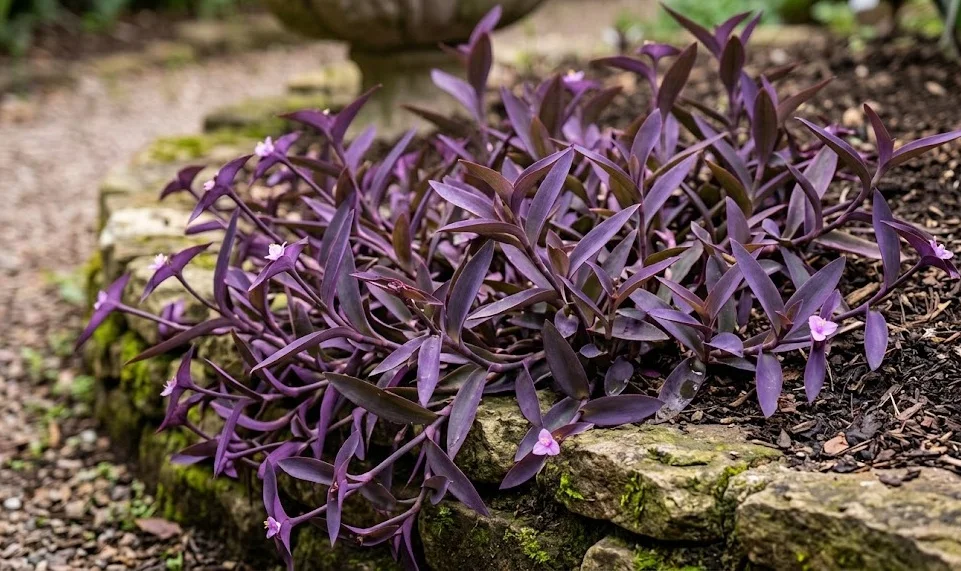

Developing a professional approach to hydration and nutrition is essential for maintaining the health and color of your purple heart. This plant has specific metabolic needs that vary depending on the environment, season, and stage of growth. While it is known for its ability to withstand some neglect, consistent care will result in much more vigorous and attractive specimens. Understanding the balance between providing enough resources and avoiding over-saturation is the hallmark of an expert gardener.
The frequency of watering should always be dictated by the condition of the soil rather than a strict calendar schedule. You should regularly check the moisture level by inserting a finger into the top two inches of the medium. If the soil feels dry to the touch, it is time to provide a thorough application of water. This method ensures that the plant receives moisture exactly when it needs it most.
Watering techniques are just as important as the frequency to ensure the roots are properly hydrated. You should apply water directly to the soil surface, avoiding the foliage as much as possible to prevent fungal growth. Slow, deep watering is preferred over frequent, shallow applications because it encourages roots to grow deeper. This creates a more resilient plant that can better handle periods of heat or drought.
The quality of the water used can also impact the health of the plant over an extended period. Rainwater or filtered water is often preferred over treated tap water, which may contain salts or chemicals like chlorine. If you must use tap water, letting it sit out for 24 hours can help some of the additives dissipate. Observing how your plant responds to different water sources can help you refine your care routine for better results.
Identifying and managing water stress
Recognizing the early signs of water stress allows you to make necessary adjustments before the plant suffers permanent damage. Underwatered specimens will often show signs of wilting, and the leaves may feel soft or look slightly shriveled. You might also notice that the vibrant purple color begins to dull or take on a greyish tint. Providing immediate hydration will usually revive the plant, though some lower leaves may be lost.
More articles on this topic
Overwatering is a much more serious threat to the purple heart, as it can quickly lead to the destruction of the root system. Signs of excess moisture include yellowing leaves, a mushy stem base, and a distinct smell of decay from the soil. If you suspect overwatering, you must stop adding water immediately and allow the soil to dry out completely. In severe cases, you may need to repot the plant in fresh, dry soil to save it.
Drainage issues are often the underlying cause of overwatering symptoms in both pots and garden beds. Ensure that containers are not sitting in saucers of stagnant water, which can wick back into the soil and drown the roots. In the garden, consider planting in raised beds if the natural soil is heavy clay that holds too much water. Professional management of drainage is the best defense against the complications of overwatering.
Environmental factors like humidity and wind can significantly influence how quickly the plant uses its available water. On hot, windy days, the rate of evaporation from the leaves increases, requiring more frequent checks of the soil moisture. Conversely, during cool or humid periods, the plant will need much less intervention from the gardener. Adjusting your expectations based on the weather is a vital skill for maintaining a healthy water balance.
Nutritional requirements and fertilizer selection
To achieve the best possible growth and color, the purple heart requires a steady supply of essential macro and micronutrients. Nitrogen is particularly important for this species, as it fuels the production of the lush, colorful foliage we admire. A balanced, water-soluble fertilizer with a ratio like 10-10-10 or 20-20-20 is usually sufficient for most gardening needs. Understanding the role of each nutrient helps you choose the right product for your specific goals.
More articles on this topic
The timing of fertilizer applications should coincide with the plant’s active growing season from spring through late summer. You should avoid fertilizing during the winter months when the plant is in a state of semi-dormancy and cannot use the nutrients. Feeding a dormant plant can lead to a buildup of salts in the soil, which can eventually damage the roots. A regular feeding schedule every four to six weeks during the growing season is generally recommended.
The method of application can vary between liquid feeds, granular options, or slow-release spikes. Liquid fertilizers provide an immediate boost and are easy to control, making them ideal for indoor or container-grown plants. Granular fertilizers are often better for large landscape areas where long-term nutrition is needed with less frequent maintenance. Always follow the manufacturer’s instructions to avoid over-fertilizing, which can cause leaf burn.
Organic alternatives, such as compost tea or fish emulsion, can also be highly effective for nourishing your plants. These options improve the overall soil structure and promote the growth of beneficial microorganisms in the medium. While they may have a lower nutrient concentration than synthetic options, they provide a more holistic approach to plant health. Experimenting with different types of fertilizer can help you find the best match for your gardening style.
Application techniques and professional timing
When applying liquid fertilizer, it is a professional best practice to water the plant thoroughly first. Applying nutrients to dry soil can cause the concentrated salts to pull moisture out of the roots, leading to chemical burns. By pre-moistening the soil, you ensure that the fertilizer is distributed evenly and absorbed more safely by the plant. This simple step can prevent many common issues associated with accidental over-feeding.
The concentration of the fertilizer should often be diluted, especially for indoor plants or those growing in low light. Many experts recommend using half the strength suggested on the product label to provide a gentle, consistent supply of nutrients. If you notice rapid, weak growth with long gaps between the leaves, you may be providing too much nitrogen. Adjusting the dosage based on the plant’s appearance is a hallmark of an attentive gardener.
Foliar feeding is another technique where a weak nutrient solution is sprayed directly onto the leaves for quick absorption. This can be useful for correcting specific nutrient deficiencies or providing a rapid boost during the peak of the growing season. However, this should not replace soil-based fertilization, as the roots are the primary organs for nutrient uptake. Ensure the leaves are dry before nightfall to prevent any fungal issues from developing in the moisture.
Monitoring the plant’s growth rate and color intensity will tell you if your fertilization program is effective. Healthy plants will produce thick stems and large, deeply colored leaves that show no signs of spotting or edge burn. If the plant seems stagnant despite proper light and water, it may be time for a fresh application of nutrients. Professional timing and careful observation ensure your purple heart remains the star of your collection.
Managing salt buildup in containers
Over time, the repeated application of fertilizers and tap water can lead to the accumulation of mineral salts in the potting soil. You can often identify this buildup as a white, crusty layer on the soil surface or around the drainage holes of the pot. These salts can interfere with water absorption and eventually become toxic to the plant’s root system. Regularly flushing the soil is a professional maintenance task that prevents this issue from escalating.
To flush the soil, take your container to a sink or outdoor area and pour a large volume of clear water through the medium. Allow the water to run freely out of the drainage holes for several minutes to wash away the accumulated minerals. This process should ideally be done every three to four months, especially if you use synthetic fertilizers frequently. Afterward, ensure the plant has a chance to drain completely before returning it to its normal spot.
Using high-quality, well-draining soil mixes can help slow the rate of salt accumulation by allowing more water to pass through. If the buildup is severe, the best solution may be to repot the plant in entirely fresh soil. This gives the roots a clean environment and a fresh start with balanced nutrient levels. Regularly replacing the top inch of soil can also help manage minor surface accumulations of minerals.
Understanding the relationship between water quality, fertilizer use, and soil health is key to long-term success. By being proactive with flushing and monitoring, you can avoid the common pitfalls that lead to declining plant health. A professional gardener knows that soil maintenance is just as important as the visible care provided to the foliage. Keeping the root environment clean and balanced ensures a thriving and beautiful purple heart for years to come.