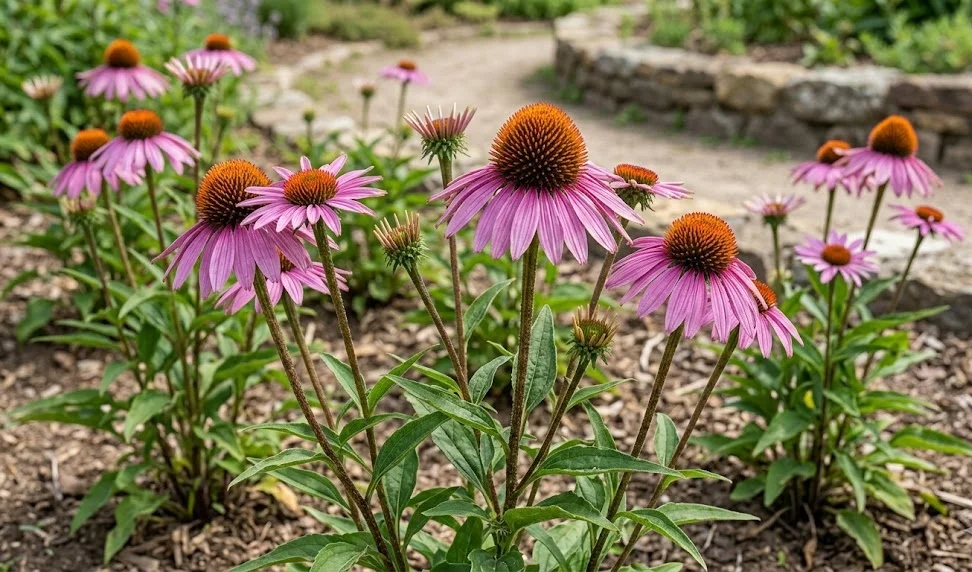

Preparing your garden for the cold months is a vital part of the annual cycle that ensures your perennials return with vigor in the spring. While these plants are remarkably cold-hardy and well-adapted to freezing temperatures, specific steps can be taken to protect the crown and roots from winter damage. Successful overwintering is not just about survival, but about preserving the plant’s energy for a spectacular show in the following season. This guide outlines the professional techniques for insulating, protecting, and managing your coneflowers during the winter dormancy.
Preparing the plant for the first frost
The preparation for winter actually begins in late summer by gradually reducing the amount of supplemental fertilizer you provide. This encourages the plant to stop producing new, tender growth that would easily be damaged by the first hard freeze of the year. Allowing the plant to naturally harden off is a crucial step in its biological preparation for the upcoming period of dormancy. As the temperatures drop, the nutrients from the foliage are pulled down into the root system for safekeeping.
Deciding whether to cut back the stems or leave them standing is a choice that affects both the plant and the local wildlife. Leaving the dried seed heads intact provides a valuable food source for birds like goldfinches during the lean winter months. The standing stalks also catch and hold snow, which can act as a natural insulator for the crown of the plant against extreme cold. Many professional gardeners prefer to leave the stems until late winter to provide visual interest and support the local ecosystem.
If you choose to tidy up the garden, wait until several hard frosts have completely turned the foliage brown before reaching for your shears. This ensures that the plant has finished moving all its energy reserves into the roots for the winter. Cut the stems back to about three or four inches above the ground level to avoid damaging the crown while still removing the bulk of the old growth. This creates a clean look for the winter while still leaving a small marker of where the plants are located.
More articles on this topic
Sanitation remains important during this final cleanup phase to prevent the overwintering of any lingering pests or diseases. If any of your plants showed signs of fungal infections or viral issues during the summer, their foliage should be removed and disposed of entirely. Do not add diseased material to your home compost pile, as the heat may not be sufficient to kill off the pathogens. Starting the winter with a clean garden bed significantly reduces the pressure from pests and diseases in the following spring.
Protective mulching and root insulation
The primary threat to perennials during a cold winter is not the freezing temperature itself, but the repeated cycle of freezing and thawing. This process, known as frost heaving, can actually push the root ball out of the ground, exposing the sensitive tissues to the drying winter air. A thick layer of organic mulch acts as a thermal buffer, keeping the soil temperature more consistent throughout the winter months. This protection is especially important for young plants or divisions that were installed late in the growing season.
Apply a three to four-inch layer of mulch around the base of the plants once the ground has frozen for the first time. Using materials like shredded bark, pine needles, or clean straw provides excellent insulation while still allowing for air movement. Be careful not to pile the mulch directly against the remaining stem stubs or the center of the crown, as this can trap too much moisture and cause rot. The goal is to insulate the soil around the roots rather than the plant itself.
More articles on this topic
In areas with exceptionally harsh winters or very little snow cover, a layer of evergreen boughs can be placed over the mulch for extra protection. These branches trap additional snow and break the wind, providing a microclimate that is slightly warmer than the surrounding air. This traditional technique is very effective for protecting more sensitive cultivars that may not be as hardy as the original species. Once the weather begins to warm in the spring, these boughs can be easily removed and composted.
Monitoring the mulch layer throughout the winter is a good practice, especially after heavy windstorms or periods of significant snowmelt. Wind can sometimes blow away loose mulching materials, leaving the soil exposed to the elements at the most critical time. If you notice bare spots appearing, simply rake the existing mulch back into place or add a small amount of fresh material. This minimal effort ensures that your plants stay protected until the arrival of the spring growing season.
Winter moisture management and drainage
While the plants are dormant, their water requirements are minimal, but they still need the soil to remain slightly moist to prevent the roots from desiccating. In many regions, the natural precipitation from snow and rain is more than enough to satisfy the needs of a sleeping perennial. However, if you experience an unusually dry winter with very little snowfall, the roots can become stressed by the lack of moisture. Providing a small amount of water during a mid-winter thaw can sometimes be beneficial in these extreme conditions.
The biggest danger during the winter is actually too much water sitting around the dormant crown of the plant. If the soil becomes waterlogged due to poor drainage or melting snow, the roots can quickly succumb to rot before the spring even arrives. Ensuring that the garden bed has a slight slope or is elevated can prevent water from pooling in the area where the coneflowers are located. Good drainage is a year-round requirement that becomes even more critical when the plant is not actively taking up water.
Snow is often called “the poor man’s fertilizer” and is actually a gardener’s best friend during the winter months. A thick blanket of snow provides the most effective and consistent insulation against the deep frost and drying winds. It also releases moisture slowly as it melts, providing the perfect amount of hydration for the roots as they begin to wake up. Whenever possible, avoid shoveling heavy, salt-laden snow from walkways onto your perennial beds, as the salt can damage the soil and plants.
Ice can be more problematic than snow, as a heavy layer of ice can break the remaining stems or create a suffocating barrier over the soil. If an ice storm occurs, it is usually best to let the ice melt naturally rather than trying to chip it away, which can cause more physical damage to the plant. As the ice melts, pay attention to where the water flows and ensure it is not creating new drainage problems for your garden beds. This observational approach helps you plan for better water management in future seasons.
Revitalization during the early spring thaw
The arrival of spring brings the exciting task of uncovering your coneflowers and preparing them for a new year of growth. Once the danger of extreme frost has passed and you see the first hints of green, it is time to carefully pull back the winter mulch. Removing the heavy insulation allows the sun to warm the soil more quickly, which encourages the roots to start their active growth phase. Leaving the mulch on too long can trap moisture and delay the emergence of the new shoots.
Inspect the crown of each plant for any signs of winter damage, such as soft spots or evidence of rodent browsing. Field mice and voles sometimes seek shelter in the mulch and may nibble on the dormant crowns if other food sources are scarce. If you find any damage, prune away the affected parts to prevent rot from spreading into the healthy sections of the root system. Most established coneflowers are resilient enough to recover from minor winter injuries with a bit of extra care.
This is also the ideal time to apply a fresh layer of compost or a light application of organic fertilizer to the surrounding soil. As the spring rains move into the earth, they will carry the nutrients down to the waking roots, providing the energy needed for the initial growth surge. Be careful not to disturb the emerging shoots, as they can be quite brittle and easily broken during this early stage. A gentle hand and a watchful eye are the hallmarks of a professional spring garden startup.
Final cleanup of the old stems should be completed before the new growth reaches more than a few inches in height. If you left the stalks standing for the winter, cut them down to the ground now to make way for the vibrant new foliage. Any mulch that was moved aside can be redistributed as a thinner layer to help suppress early spring weeds and maintain moisture. With the winter behind them, your purple coneflowers are now ready to begin their journey toward another spectacular summer display.