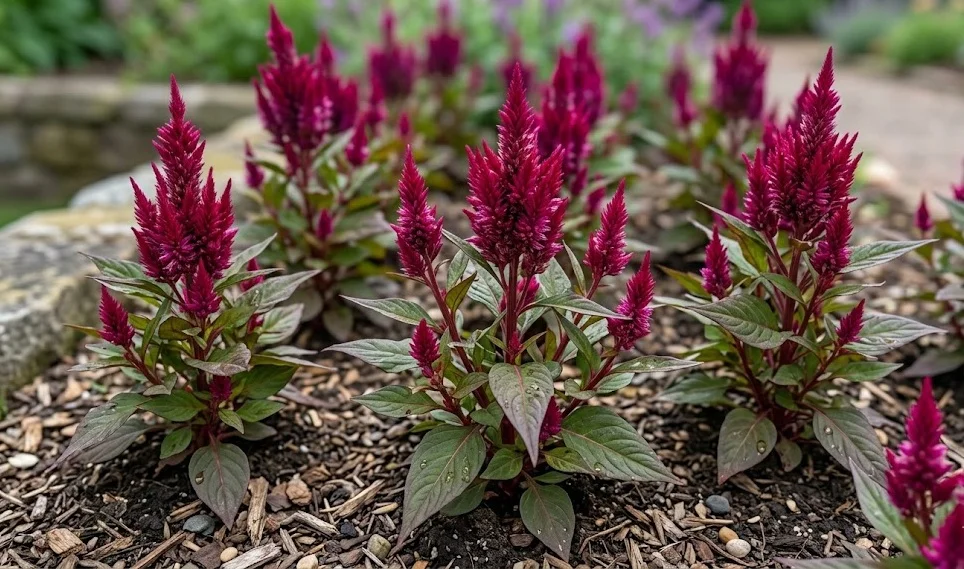

Maintaining the health of a purple celosia requires a vigilant eye for the various diseases and pests that can target this vibrant tropical variety. Because this plant is often grown for its aesthetic perfection, even a minor infestation or infection can significantly diminish its visual appeal. Professional growers know that prevention is the most effective strategy for managing the biological threats that exist in any garden. By understanding the common enemies of this cultivar, you can take proactive steps to protect your plants and ensure they remain a highlight of your collection.
Fungal pathogens are among the most frequent issues encountered when growing this species, especially in humid or poorly ventilated conditions. These diseases can range from mild surface issues like powdery mildew to devastating conditions like root rot or damping-off. Recognizing the early symptoms of fungal activity is essential for intervening before the damage becomes irreversible. Proper cultural practices, such as correct spacing and watering, are your first line of defense against these microscopic invaders.
Insect pests also find the succulent tissues and nectar-rich flowers of the purple celosia to be an attractive target throughout the summer. Common visitors include aphids, spider mites, and whiteflies, all of which can weaken the plant by feeding on its vital juices. While a few insects are rarely a cause for alarm, their populations can explode rapidly under the right environmental conditions. A professional management plan involves regular inspections and the use of the least toxic control methods possible.
Hygiene and environmental control are the foundations of a successful pest and disease management strategy for any serious gardener. Keeping the area around your plants clean and free of debris reduces the number of hiding places for both pathogens and pests. Furthermore, ensuring that your plants are healthy and well-fed makes them naturally more resilient to any attacks that do occur. By following these expert guidelines, you can minimize the impact of biological stressors and enjoy a trouble-free growing season.
Identifying and managing common fungal issues
Damping-off is one of the most serious fungal problems, primarily affecting young seedlings and newly transplanted purple celosias. It is caused by soil-borne fungi that thrive in cool, overly moist conditions and attack the stem at the soil line. You will notice the seedling suddenly collapsing and withering, often with a visible thinning or browning of the stem base. To prevent this, always use sterile potting mix and avoid overwatering during the early stages of the plant’s life.
More articles on this topic
Powdery mildew is another common fungal infection that appears as a white, flour-like dusting on the surface of the leaves. While it rarely kills the plant, it can significantly reduce its vigor and spoil the beauty of the dark green foliage. This fungus flourishes in areas with high humidity but poor air circulation, making it a frequent problem in crowded garden beds. You can manage it by increasing the space between plants and applying a mixture of water and baking soda or a commercial fungicide.
Root rot is perhaps the most hidden and deadly fungal disease that can strike this tropical cultivar in waterlogged soil. The symptoms often manifest above ground as a general wilting and yellowing of the foliage, even when the soil is clearly moist. If you suspect root rot, you must inspect the roots; healthy ones are white and firm, while diseased ones are brown, soft, and foul-smelling. The best treatment is prevention through excellent drainage, but in early cases, repotting into fresh, dry soil may save the specimen.
Botrytis, or gray mold, can sometimes infect the flower spikes of the purple celosia during periods of high humidity and cool temperatures. It appears as a fuzzy gray growth that quickly causes the delicate violet plumes to turn brown and decay. To minimize the risk, avoid overhead watering and remove any spent or damaged flowers immediately to prevent the fungus from spreading. If the infection is severe, removing the entire affected flower spike is necessary to protect the rest of the plant.
Controlling aphid and whitefly populations
Aphids are small, soft-bodied insects that congregate in large numbers on the tender new growth and the undersides of leaves. They feed by piercing the plant tissue and sucking out the sap, which can cause the leaves to curl and become distorted. In addition to direct damage, aphids excrete a sticky substance called honeydew, which can lead to the growth of unsightly black sooty mold. You can often control small populations by simply blasting them off the plant with a strong stream of water from a garden hose.
More articles on this topic
Whiteflies are another sap-sucking pest that can be particularly troublesome for celosia grown in greenhouses or sheltered patios. These tiny, moth-like insects fly up in a cloud when the plant is disturbed, making them very easy to identify during a routine inspection. Like aphids, they weaken the plant and produce honeydew, further inviting fungal issues and attracting ants. Hanging yellow sticky traps around your plants is a professional way to monitor and reduce the adult whitefly population effectively.
If the infestation of these pests becomes significant, you may need to use an organic insecticidal soap or neem oil spray. These treatments work by suffocating the insects on contact and are generally safe for beneficial insects like ladybugs once the spray has dried. It is important to apply these treatments in the evening to avoid leaf burn from the sun and to ensure thorough coverage of all leaf surfaces. Repeated applications every seven to ten days may be necessary until the pest population is fully under control.
Encouraging natural predators is a long-term, sustainable strategy for managing aphids and whiteflies in a professional garden setting. Ladybugs, lacewings, and hoverflies are all voracious eaters of these pests and can provide continuous biological control. You can attract these helpful insects by planting a variety of flowering herbs and flowers near your purple celosia. Avoiding broad-spectrum chemical pesticides is crucial for maintaining a healthy balance between pests and their natural enemies.
Mitigating damage from spider mites
Spider mites are microscopic pests that are often most active during the hot, dry periods of mid-to-late summer. Because they are so small, you might not see the mites themselves, but you will notice the characteristic stippling or fine yellow spotting on the leaves. As the infestation progresses, you may also see very delicate webbing stretched between the leaves and stems of your purple celosia. These pests can quickly drain the life out of a plant, causing the foliage to turn bronze and eventually drop off.
The first step in controlling spider mites is to increase the local humidity around the plant, as they thrive in dry conditions. Regularly misting the foliage with water can discourage their activity and wash away some of the existing population. Ensure that your plants are well-watered, as stressed and thirsty plants are much more susceptible to mite damage. In a professional setting, maintaining proper hydration is the most effective cultural control for these troublesome arachnids.
For more severe cases, an application of horticultural oil or neem oil is often the most effective professional intervention. These oils coat the mites and their eggs, preventing them from breathing and breaking their rapid life cycle. Just like with insecticidal soaps, you must ensure that you spray both the tops and the undersides of every leaf for the treatment to work. Be sure to test the oil on a small area of the plant first to make sure it doesn’t cause any adverse reactions to the foliage.
Regularly inspecting your plants with a magnifying glass can help you catch a spider mite problem in its earliest stages. If you find an infested branch, pruning it off and disposing of it immediately can sometimes stop the spread to the rest of the plant. It is important to never put pest-infested material into your compost pile, as the mites can survive and return to your garden later. A proactive and observant approach is the only way to keep these nearly invisible pests from ruining your floral display.
Disease prevention through gardening hygiene
Good hygiene is the cornerstone of a professional approach to plant health, as many diseases are spread through contaminated tools and debris. Always clean and disinfect your pruning shears with rubbing alcohol or a mild bleach solution before moving from one plant to another. This simple habit prevents you from accidentally acting as a vector for viruses or fungal spores throughout your garden. Keeping your equipment in top condition also ensures clean cuts that heal much faster and are less likely to become infected.
Removing fallen leaves and spent flowers from the soil surface is another vital step in maintaining a healthy environment for your purple celosia. This debris can harbor overwintering pests and provide a damp nursery for fungal spores to multiply during the night. By keeping the area clean, you reduce the overall “pathogen pressure” in your garden, making it much harder for diseases to take hold. A tidy garden is not just about aesthetics; it is a fundamental requirement for the biological success of your plants.
Proper spacing between your plants is a structural form of hygiene that ensures every leaf has access to fresh air and light. When plants are crowded together, the humidity levels rise and the air becomes stagnant, which is exactly what most fungi need to thrive. For the ‘Caracas’ variety, giving each plant about thirty centimeters of space allows for the rapid drying of foliage after rain or watering. This strategic placement is one of the easiest and most effective ways to prevent disease without using any chemicals.
Finally, consider the source of your water and how it is applied to the plants to minimize the spread of soil-borne pathogens. Using a clean watering can or a dedicated hose is much safer than using untreated pond water which may contain harmful microbes. By watering at the base of the stem, you avoid splashing soil—and any pathogens it contains—up onto the leaves. These small, professional details add up to a comprehensive defense system that keeps your purple celosia healthy and vibrant.
Sustainable and professional pest management
Integrated Pest Management (IPM) is a professional strategy that focuses on long-term prevention and the use of the least harmful control methods first. This approach begins with choosing the right plant for the right place, ensuring that your purple celosia is not already stressed by its environment. A healthy plant has its own natural chemical defenses that can repel many pests and recover quickly from minor damage. By providing optimal light, water, and nutrition, you are already practicing the most effective form of pest control.
When an intervention is necessary, start with physical methods like hand-picking larger pests or using water sprays for smaller ones. If the problem persists, move on to biological controls such as releasing beneficial insects or using microbial products like Bacillus thuringiensis (Bt). These targeted solutions only affect specific pests and leave the rest of your garden’s ecosystem intact. Only as a last resort should you consider using synthetic chemical pesticides, and even then, only on the affected areas.
Rotating the location of your plants from year to year is another professional technique for breaking the life cycles of soil-resident pests and diseases. If you always grow celosia in the same spot, the population of specialized enemies can build up to unsustainable levels in the soil. By moving them to a different bed or changing the potting soil, you force the pests to start from scratch in a new location. This simple rotation is a powerful tool for maintaining a healthy and productive ornamental garden.
Ultimately, a professional gardener understands that a perfectly “pest-free” garden is neither possible nor desirable in a natural setting. The goal is to keep pest populations at a level where they do not cause significant aesthetic or physiological damage to the plants. By fostering a diverse and balanced ecosystem, you allow nature to do much of the hard work for you. Enjoying your purple celosia is much easier when you have a sustainable plan in place to handle the occasional biological challenge.