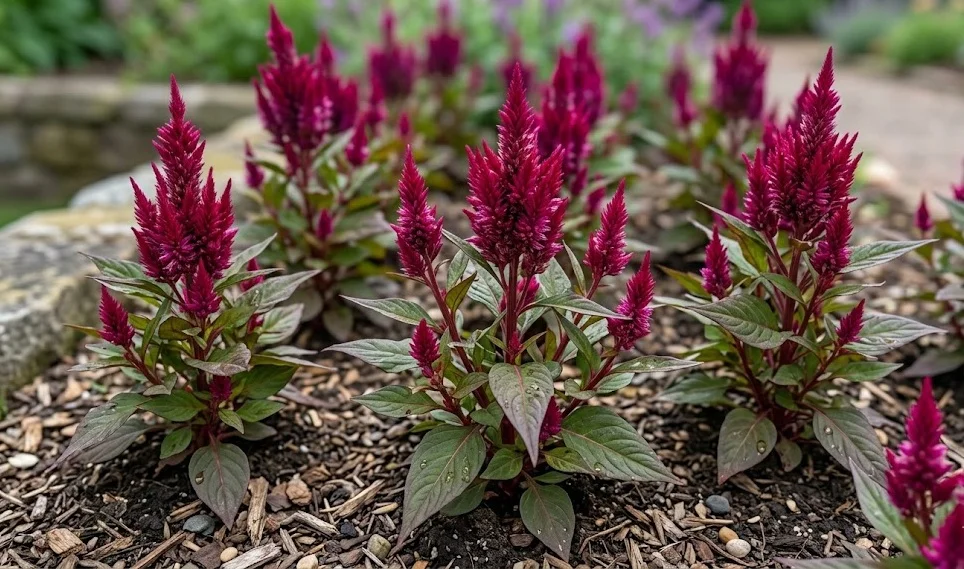

Proper hydration and nutrition are the twin pillars of maintaining a healthy and vibrant purple celosia throughout its growing season. As a tropical species, it has evolved to thrive in environments where water is available but never stagnant around the roots. Managing these two factors requires a blend of regular observation and technical knowledge of the plant’s metabolic needs. When you master the balance of water and food, your plants will reward you with lush foliage and an abundance of deep purple flowers.
Watering is not just about the volume of liquid provided, but also about the timing and method of application. This variety is particularly sensitive to moisture fluctuations, which can lead to stress and a decline in aesthetic quality. Professional gardeners often use specific techniques to ensure that the moisture reaches the root zone without encouraging disease. By understanding how the plant uses water, you can create a routine that supports its natural growth cycles.
Fertilization provides the chemical building blocks necessary for the plant to construct its complex floral structures and maintain its deep green leaves. Because the ‘Caracas’ variety is a heavy bloomer, it quickly depletes the nutrients available in the soil or potting mix. A strategic feeding schedule ensures that the plant never runs out of the essential elements required for its brilliant violet plumes. It is important to choose the right type of fertilizer and apply it at the correct concentration to avoid root burn.
Monitoring the plant’s response to your care is the final piece of the watering and nutrition puzzle. Leaves and flowers serve as visual indicators, signaling when the plant is thirsty or in need of a nutritional boost. Learning to read these signs allows you to make adjustments before any permanent damage occurs to the specimen. A professional approach to these tasks will result in a more resilient plant that can withstand the challenges of the summer heat.
Establishing a professional watering routine
The key to successful watering is consistency, as the purple celosia prefers its soil to remain evenly moist but not saturated. You should check the moisture levels daily by inserting your finger about two centimeters into the soil. If the surface feels dry, it is time to provide a deep and thorough watering until the entire root zone is reached. In the height of summer, you may find that container-grown plants require watering both in the morning and the evening.
More articles on this topic
The best time of day to water is early in the morning before the sun’s intensity increases and evaporation rates soar. This allows the plant to take up the moisture it needs to stay hydrated during the hottest part of the day. Watering early also ensures that any accidental splashes on the foliage have time to dry quickly in the sun. This simple habit is one of the most effective ways to prevent the development of fungal diseases on the leaves.
When applying water, always aim for the base of the plant rather than spraying from above over the flowers and leaves. Direct contact with water can cause the delicate purple plumes to become heavy and potentially snap under their own weight. Furthermore, wet foliage is a primary breeding ground for pathogens that can compromise the health of the entire garden. Using a watering can with a long spout or a drip irrigation system provides the most control and efficiency.
In particularly hot and windy conditions, the demand for water will increase significantly as the plant loses moisture through its leaves. You should be prepared to adjust your schedule based on the weather forecast and the physical appearance of the plant. If you notice the leaves beginning to droop slightly, it is a clear sign that the plant is under water stress. Providing immediate hydration will usually allow the plant to recover, but repeated wilting can weaken its overall structure.
Avoiding the dangers of waterlogged soil
While the purple celosia enjoys moisture, it is highly intolerant of “wet feet,” which occurs when the soil remains saturated for too long. Excessive water excludes oxygen from the soil, leading to the suffocation and death of the delicate root hairs. This condition often results in a rapid decline of the plant, characterized by yellowing leaves and a soft, mushy stem base. Professionals always ensure that the soil has enough drainage capacity to handle even heavy rainfall.
More articles on this topic
If you are growing your plants in containers, the choice of a high-quality, porous potting mix is essential for preventing waterlogging. Avoid using standard garden soil in pots, as it is too dense and will likely compact over time, trapping water inside. You can also elevate your pots on small feet or bricks to ensure that the drainage holes are never blocked. This simple adjustment allows gravity to work effectively in pulling excess moisture away from the roots.
During periods of prolonged rain, it may be necessary to move potted plants under a shelter to prevent them from becoming oversaturated. For plants in the ground, ensuring that the site was properly prepared with organic matter will help manage excess moisture. If you suspect your soil is holding too much water, you can carefully use a garden fork to aerate the area around the plants. Taking these proactive steps protects the plant from the silent threat of root rot and other moisture-related issues.
Monitoring the color and texture of the lower leaves can give you a clue about the moisture status of the soil. Yellowing that starts at the bottom and moves upward is often a classic sign of overwatering rather than a lack of nutrients. If you notice this happening, stop watering immediately and allow the soil to dry out significantly before the next application. Understanding the fine line between moist and wet is a hallmark of an expert gardener who cares for tropical varieties.
Nutritional requirements for foliage and blooms
To produce its characteristic deep purple flower spikes, this plant requires a steady supply of balanced nutrients throughout its life. It is particularly hungry for nitrogen to support its leaf growth and phosphorus to encourage the development of strong floral plumes. Most professionals recommend using a balanced NPK fertilizer with a ratio such as 10-10-10 or 15-15-15 for general maintenance. This ensures that all aspects of the plant’s physiology are supported without overemphasizing one over the others.
The frequency of fertilization depends on whether the plant is in a container or in the ground, as nutrients leach out of pots more quickly. For container plants, a liquid fertilizer applied every two weeks at half strength is often the most effective method. This regular but diluted feeding provides a constant stream of energy that matches the plant’s rapid growth rate. In the garden, a slow-release granular fertilizer applied once a month is usually sufficient to meet its needs.
Micronutrients also play a vital role in the health and color intensity of the ‘Caracas’ variety of celosia. Elements like iron and magnesium are essential for the production of chlorophyll and the maintenance of vibrant flower pigments. If the new leaves appear yellow while the veins remain green, it may indicate a deficiency in one of these trace minerals. You can address this by using a fertilizer that includes a full spectrum of micronutrients or by applying a chelated iron supplement.
Always apply fertilizer to moist soil rather than dry ground to prevent the concentrated salts from burning the sensitive roots. After applying granular food, water the area thoroughly to help dissolve the nutrients and carry them down to the root zone. It is also wise to avoid getting any fertilizer on the leaves or flowers, as the chemicals can cause unsightly spotting or damage. Following these professional application rules ensures that your nutritional program is both safe and effective for the plant.
Choosing between organic and synthetic fertilizers
Gardeners often debate the merits of organic versus synthetic fertilizers, and both have their place in the care of purple celosia. Organic options, such as fish emulsion, liquid seaweed, or well-composted manure, provide nutrients while also improving soil biology. They release their energy more slowly, which reduces the risk of root burn and supports long-term soil health. Many experts prefer these methods for ground-planted celosia because they create a more sustainable and natural growing environment.
Synthetic fertilizers, on the other hand, offer immediate availability of nutrients and precise control over the chemical ratios provided to the plant. They are particularly useful for container plants that need a quick boost to sustain their intense blooming cycle. Because they are highly concentrated, you must be very careful to follow the dosage instructions on the label exactly. Using too much synthetic fertilizer can lead to an accumulation of salts in the soil, which can eventually harm the plant.
A hybrid approach is often the most successful strategy for professional-level results in the home garden. You can use compost and organic matter to build a healthy soil foundation in the spring before planting. Then, during the peak of the flowering season, you can supplement with a high-quality synthetic bloom booster to maximize the purple color. this combination provides the best of both worlds: long-term stability and short-term performance for the most impressive floral display.
Regardless of which type you choose, always pay attention to how the plant reacts after a feeding session. If you see a flush of healthy new growth and deepening color, your nutritional strategy is likely on the correct path. If the plant looks stressed or develops brown leaf tips, you may be over-fertilizing or using a product that is too strong. Being flexible and observant allows you to tailor your fertilizing routine to the specific needs of your unique specimens.
Managing nutritional imbalances and over-fertilization
Over-fertilization is a common mistake that can lead to a range of problems, from excessive leaf growth with no flowers to actual root damage. If you notice the edges of the leaves turning brown or “burned,” it is often a sign of salt buildup from too much fertilizer. In this situation, you should immediately flush the soil with large amounts of plain water to wash away the excess chemicals. This “leaching” process can save the plant if the issue is caught early enough in the season.
Another sign of an imbalance is when the plant produces an abundance of lush green leaves but fails to develop its signature purple flower spikes. This is usually caused by an excess of nitrogen, which tells the plant to focus on vegetative growth instead of reproduction. To fix this, you should switch to a fertilizer with a higher middle number (phosphorus) and a lower first number (nitrogen). This change in diet signals to the plant that it is time to start producing those beautiful violet plumes again.
Soil pH can also interfere with nutrient uptake, making it appear as though the plant is hungry even when the soil is rich. If the pH is too high or too low, certain minerals become chemically locked and unavailable to the plant’s roots. This is why testing the soil is such a professional and necessary step in troubleshooting nutritional issues. Adjusting the pH is often more effective than adding more fertilizer when dealing with persistent yellowing or poor growth.
Finally, remember that the plant’s needs decrease as the growing season comes to an end in the late summer or autumn. You should stop fertilizing about four to six weeks before the first expected frost to allow the plant to mature naturally. Continuing to feed late into the season can stimulate tender new growth that will be easily killed by the first cold snap. A professional approach means knowing not just what and how to feed, but also when to stop for the health of the plant.