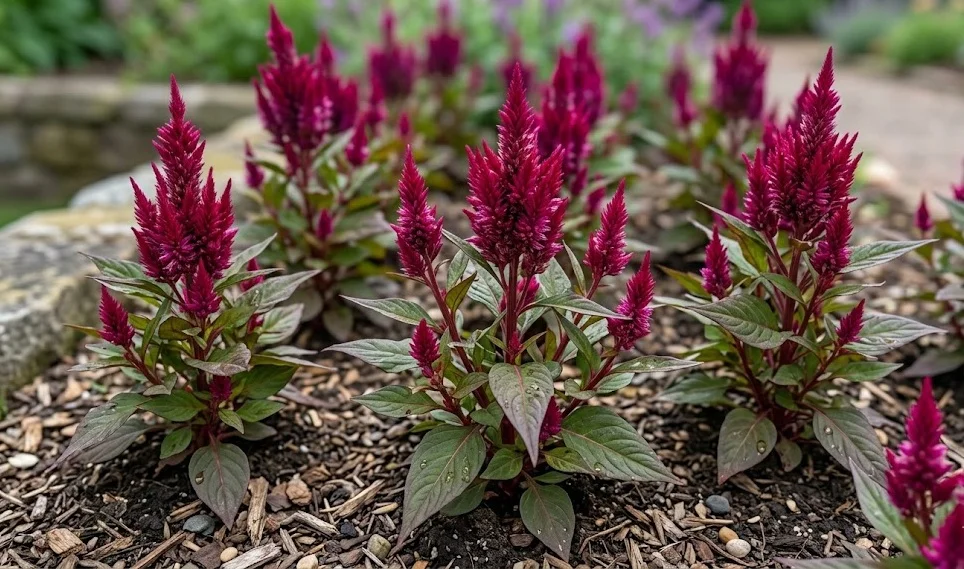

The purple celosia is a striking ornamental plant that brings a unique architectural element and vibrant color to any garden or indoor space. Its velvety, plume-like flowers and deep green foliage create a sophisticated look that appeals to both amateur and professional horticulturists. To ensure this plant reaches its full potential, one must provide a specific set of environmental conditions that mimic its tropical origins. Understanding the basic biology and growth habits of this cultivar is the first step toward successful cultivation.
The plant belongs to the Amaranth family and is widely appreciated for its long-lasting blooms that remain vibrant for weeks. It is often grown as an annual in temperate climates, though it can survive as a perennial in warmer regions. The ‘Caracas’ variety is particularly famous for its intense violet-purple spikes that stand out against the dark leaves. Maintaining this visual appeal requires a consistent approach to light, water, and soil nutrition throughout the growing season.
When integrated into a landscape design, these plants work beautifully as focal points in borders or as colorful additions to mixed containers. They are relatively compact, making them suitable for small spaces where high-impact color is desired. Gardeners often value them for their ability to attract pollinators like bees and butterflies, which enhances the overall health of the garden ecosystem. By following professional care guidelines, you can ensure that your specimens remain healthy and visually stunning from spring through late autumn.
Effective management of this plant involves monitoring its growth daily and adjusting care based on weather conditions. It is important to remember that this variety is sensitive to cold temperatures and excess moisture at the roots. A proactive approach to care helps prevent common issues before they become detrimental to the plant’s health. By creating a stable environment, you allow the purple celosia to focus its energy on producing its signature brilliant floral displays.
Selecting the ideal growing medium
The foundation of healthy growth for this plant lies in the quality and composition of the soil it inhabits. It requires a medium that is rich in organic matter yet possesses excellent drainage properties to prevent root rot. A loamy soil structure is typically considered the gold standard as it allows for proper aeration and moisture retention. You should avoid heavy clay soils that compact easily and trap water, as these can lead to fungal infections.
More articles on this topic
Testing the soil pH is a professional step that can significantly impact the nutrient availability for the plant. This variety thrives in slightly acidic to neutral soil, typically ranging between a pH of 6.0 and 7.0. If your garden soil is too alkaline, you can incorporate peat moss or sulfur to lower the pH levels. Ensuring the correct chemical balance in the soil allows the roots to efficiently absorb the minerals needed for vibrant flower production.
For container gardening, a high-quality potting mix designed for flowering plants is usually sufficient for success. You can enhance the drainage by adding a small amount of perlite or coarse sand to the mixture. It is also beneficial to include some slow-release compost to provide a steady supply of nutrients over several months. Using a fresh medium every year for potted plants helps avoid the buildup of pathogens and maintains a healthy structure for the roots.
Soil preparation should ideally happen a few weeks before planting to allow the amendments to integrate fully. Turning the soil to a depth of about thirty centimeters ensures that it is loose and ready for root expansion. Adding well-rotted manure or garden compost during this phase enriches the site with essential microbial life. This preparation creates a welcoming environment that supports rapid establishment once the young plants are introduced to the site.
Environmental conditions and temperature management
Temperature plays a critical role in the development and flowering cycle of this tropical cultivar. It originates from warm climates and therefore requires consistent heat to produce its best floral displays. The ideal daytime temperature ranges between twenty and thirty degrees Celsius for optimal growth. Exposure to temperatures below fifteen degrees Celsius can cause the plant to stunt or suffer from physiological stress.
More articles on this topic
In regions with fluctuating spring temperatures, it is vital to wait until all danger of frost has passed before placing plants outside. The soil should be warm to the touch before the transplanting process begins to avoid shocking the root system. If a sudden cold snap is predicted, providing temporary protection with horticultural fleece can save the delicate foliage. Professional growers often monitor local weather stations closely to ensure their plants are never exposed to extreme cold.
High humidity is generally beneficial for this plant, as it helps prevent the foliage from drying out in the heat. However, there must be adequate air circulation around the plants to prevent the development of powdery mildew. In very dry climates, grouping plants together can create a microclimate with slightly higher humidity levels. You should avoid wetting the foliage late in the evening when the water will not evaporate quickly.
During the peak of summer, extreme heat can sometimes cause the plant to wilt slightly during the afternoon. Providing a bit of dappled shade during the hottest part of the day can help the plant conserve energy. If the heat is accompanied by drought, the plant may enter a survival mode and stop producing new flowers. Consistent monitoring of environmental factors ensures that the purple celosia remains in a state of active and healthy growth.
Sustaining vibrant floral displays
The main attraction of this plant is undoubtedly its vivid purple flower spikes which can last for an extended period. To keep these plumes looking their best, it is important to provide sufficient energy through light and nutrients. The color intensity is directly linked to the amount of sunlight the plant receives throughout the day. Without enough light, the violet hues may fade into a duller magenta or even green.
Deadheading, or the removal of spent blooms, is an essential practice for encouraging the plant to produce new flowers. By cutting off the old spikes, you prevent the plant from putting energy into seed production. This redirection of resources allows the plant to focus on developing fresh buds and maintaining its foliage. Use sharp, clean shears to make precise cuts just above a set of healthy leaves.
The duration of the blooming period can also be extended by maintaining consistent moisture levels in the soil. Stress from lack of water can cause the flowers to dry out prematurely and lose their soft texture. On the other hand, overwatering can lead to a decline in bloom quality as the plant struggles with root health. Finding the perfect balance of hydration is key to a long and successful flowering season.
As the season progresses, you may notice that the oldest leaves near the bottom of the plant begin to yellow. This is a natural part of the plant’s life cycle, but these leaves should be removed to maintain a tidy appearance. Keeping the plant clean not only improves its looks but also reduces the hiding spots for potential pests. A well-maintained plant will continue to be a highlight of the garden until the first frosts of autumn arrive.
Container gardening and placement strategies
Growing this cultivar in containers offers great flexibility for those with limited garden space or changing sunlight patterns. It allows you to move the plant to the sunniest spots on your patio or balcony as the seasons shift. When choosing a pot, ensure it has multiple drainage holes to allow excess water to escape freely. A terracotta pot is an excellent choice because its porous nature helps the soil breathe and prevents waterlogging.
The size of the container should be proportionate to the root ball of the plant to provide stability. A pot that is too large can hold too much moisture, while one that is too small will restrict growth and dry out too fast. You should leave about two centimeters of space between the soil surface and the rim of the pot for easier watering. Repotting may be necessary if you notice roots growing out of the drainage holes or if water runs through too quickly.
Placement within the garden or on a terrace should prioritize areas that receive at least six hours of direct sunlight. In mixed planters, ensure that taller companions do not shade the purple celosia excessively. It also works well as a centerpiece in a circular arrangement where it can be viewed from all sides. Consider the wind exposure of the location, as very strong gusts can occasionally break the flower spikes.
Indoor placement is also possible if you have a very bright window that faces south or west. Without intense indoor light, the plant may become leggy as it stretches toward the nearest light source. You should rotate the pot every few days to ensure even growth on all sides of the plant. Indoor plants also require careful monitoring of humidity levels, as central heating can dry out the air significantly.
Seasonal transition and late season care
As summer turns to autumn, the care routine for the purple celosia must adapt to the changing light and temperature. The growth rate will naturally slow down as the days become shorter and the nights get cooler. You should reduce the frequency of fertilization during this time to avoid encouraging tender new growth that cannot withstand the cold. Monitoring the soil moisture becomes even more critical as evaporation rates decrease in the cooler air.
This is the time when the plant’s colors may become even more intense due to the contrast between warm days and cool nights. Enjoy these final weeks of vibrant color by keeping the plant free of debris and fallen leaves from nearby trees. If you plan to save seeds for the next year, allow a few of the flower spikes to fully mature and dry on the plant. These seeds can be collected and stored in a cool, dry place for spring planting.
Protecting the plant from early light frosts can extend its life by several weeks in many climates. Using a simple frost cloth at night can provide enough insulation to keep the plant active. Once a hard freeze occurs, the plant will typically die back and should be removed from the garden. For many gardeners, this marks the end of the annual cycle for this beautiful tropical species.
If you are growing it as a perennial in a frost-free zone, you can cut the plant back significantly in late autumn. This encourages a period of rest before the plant begins its new growth cycle in the spring. Adding a layer of mulch around the base can help protect the roots from any unexpected temperature fluctuations. Proper late-season care ensures that the plant remains a sustainable part of your gardening efforts.
Troubleshooting common growth issues
Even with professional care, you might encounter some challenges when growing this specific variety of celosia. Stunted growth is often a sign that the soil temperature was too low when the plant was first established. If the leaves appear pale or yellowish, it could indicate a nitrogen deficiency or a problem with soil drainage. Addressing these issues early can often save the plant and allow it to recover its former vigor.
Wilting despite moist soil is a serious warning sign that often points to root rot or a fungal infection. In such cases, you should inspect the roots to see if they are brown and mushy instead of firm and white. Improving the drainage or reducing the watering frequency are the primary ways to combat this problem. If the infection is widespread, it may be better to remove the affected plant to protect its neighbors.
Pests like aphids or spider mites can occasionally target the succulent leaves of the purple celosia. Regularly checking the undersides of the leaves helps you catch these visitors before they cause significant damage. A gentle spray of water or an application of organic insecticidal soap can effectively manage most minor infestations. Keeping the plant healthy and unstressed is the best natural defense against any pest problems.
Finally, if the flowers are not as vibrant as expected, consider the amount of light the plant is receiving. Moving a potted specimen to a sunnier location often results in a rapid improvement in color intensity. Ensure that you are using a fertilizer with a balanced ratio of nutrients to support both foliage and flower development. Consistent observation and minor adjustments are the hallmarks of a successful and expert gardener.

