
Light is the primary energy source for any fruit tree, and the asian persimmon is particularly demanding when it comes to solar exposure. To produce its characteristic large, sweet fruits and maintain a healthy structure, the tree must be situated in an optimal light environment. Insufficient light can lead to a host of problems, from poor fruit set to increased susceptibility to disease. This article explores the critical role of light and how to manage it for the best results in your garden or orchard.
The necessity of full sun exposure
To reach its full potential, an asian persimmon tree requires a location that receives full sun, meaning at least six to eight hours of direct light daily. This intense light is necessary for the complex process of photosynthesis, which creates the sugars that give the fruit its flavor. In cooler climates, maximizing sun exposure is even more important to ensure the tree has enough heat to ripen the fruit before the first frost. A tree grown in the shade will often produce small, bitter fruit and have a much slower growth rate.
The quality of the morning sun is particularly beneficial for the health of the tree’s foliage and overall vitality. Morning light helps to dry the dew off the leaves quickly, which significantly reduces the risk of fungal infections like powdery mildew. If you have to choose between morning and afternoon sun, the morning exposure is generally the more valuable of the two. This early energy boost jumpstarts the tree’s metabolic processes for the rest of the day.
Light also plays a crucial role in the development of the flower buds for the following year’s crop. Without adequate light reaching the inner parts of the canopy, the tree may fail to produce enough blossoms to sustain a harvest. This is why proper spacing and pruning are so closely linked to the tree’s light requirements. Ensuring that sunlight can penetrate deep into the structure of the tree keeps the interior wood productive and healthy.
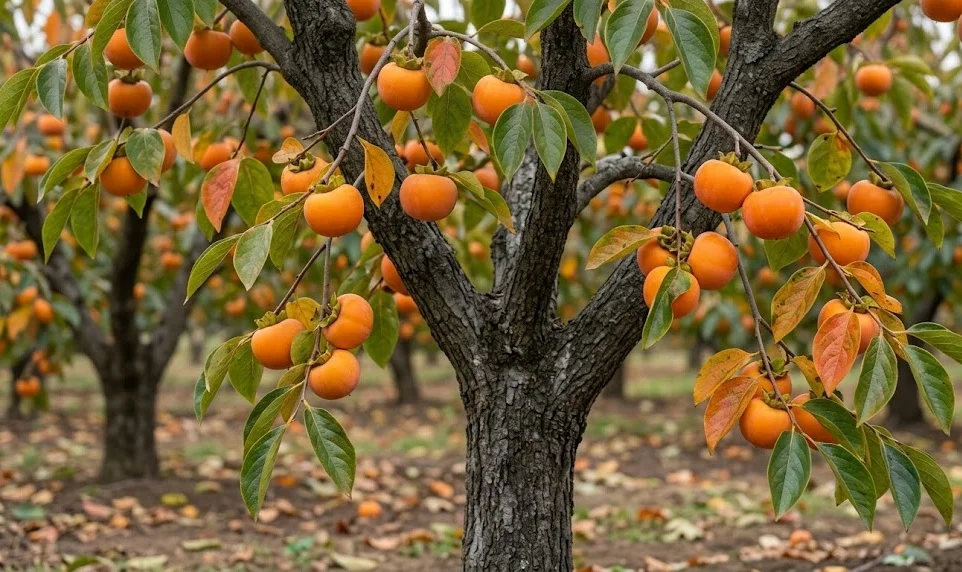
In addition to fruit production, full sun is essential for the tree’s spectacular autumn display. The brilliant oranges, reds, and purples that the leaves turn in the fall are a direct result of the sugars built up during the sunny summer months. A tree that has lived in the shade will often skip this colorful phase and simply drop its leaves while they are still a dull yellow. For many gardeners, this aesthetic reward is just as important as the fruit itself.
More articles on this topic
Managing light within the canopy
The internal architecture of the tree must be managed to prevent the outer leaves from completely shading the inner branches. Over time, a dense canopy creates a “dead zone” in the center of the tree where no fruit can grow because of the lack of light. Professional pruning techniques, such as the open-center or modified-leader systems, are designed specifically to address this issue. By thinning out crowded branches, you allow light to reach every part of the tree’s productive wood.
Light distribution also affects the ripening process, as fruits that are hidden in deep shade may not color up or ripen at the same time as those on the outside. This can lead to an uneven harvest and make it difficult to determine the perfect time to pick the fruit. When the fruit is exposed to dappled sunlight, it develops a more uniform color and a higher concentration of natural sugars. Thinning the leaves around developing fruit clusters can sometimes help in particularly dense varieties.
Reflected light can also be a valuable tool for gardeners who are working with limited space or less-than-ideal locations. Placing the tree near a light-colored wall or using reflective mulches can increase the total amount of light hitting the canopy. This extra energy can make a significant difference in the tree’s performance, especially in northern regions where the growing season is shorter. Every bit of additional solar energy helps the tree complete its annual cycle of growth and fruiting.
It is important to remember that light requirements change as the tree matures and its physical footprint expands. A spot that was sunny ten years ago might now be shaded by a neighbor’s house or a growing forest nearby. Regularly assessing the light patterns in your garden ensures that your asian persimmon continues to receive the energy it needs to thrive. If the light levels drop significantly over time, you may need to consider more aggressive pruning or even relocating the tree.
More articles on this topic
Environmental adaptations and light stress
While the asian persimmon loves the sun, extreme light accompanied by high heat and low humidity can sometimes lead to stress. In very hot climates, the leaves may show signs of “sunscald” or scorch if the tree is not properly hydrated. This is not because there is too much light, but because the tree cannot move water fast enough to cool its tissues. Ensuring a consistent water supply is the best way to help the tree handle the intense solar radiation of mid-summer.
Young trees, in particular, need to be acclimated to full sun if they have been grown in a protected nursery environment. Suddenly moving a sapling from a shaded area to a bright, open field can burn the tender leaves and damage the trunk. It is often helpful to provide temporary, light shade during the first few weeks after planting to allow the tree to adjust. This transition period helps the tree build up its natural defenses against the power of the sun.
The angle of the sun changes throughout the seasons, which affects how much light different parts of the tree receive. In the late autumn, the lower angle of the sun can be blocked by obstacles that were not a problem during the height of summer. This is critical because the fruit needs that late-season sun to reach its final stage of ripening and sweetness. Keeping the area to the south of the tree clear of tall obstructions ensures that this late-year light is always available.
Finally, the relationship between light and water is one of the most important balances in the orchard. A tree in full sun will use significantly more water than one in partial shade because its metabolic rate is much higher. You must be prepared to increase your irrigation efforts as the light levels intensify during the summer months. By matching the water supply to the light-driven demand, you create the perfect environment for a healthy and productive asian persimmon.