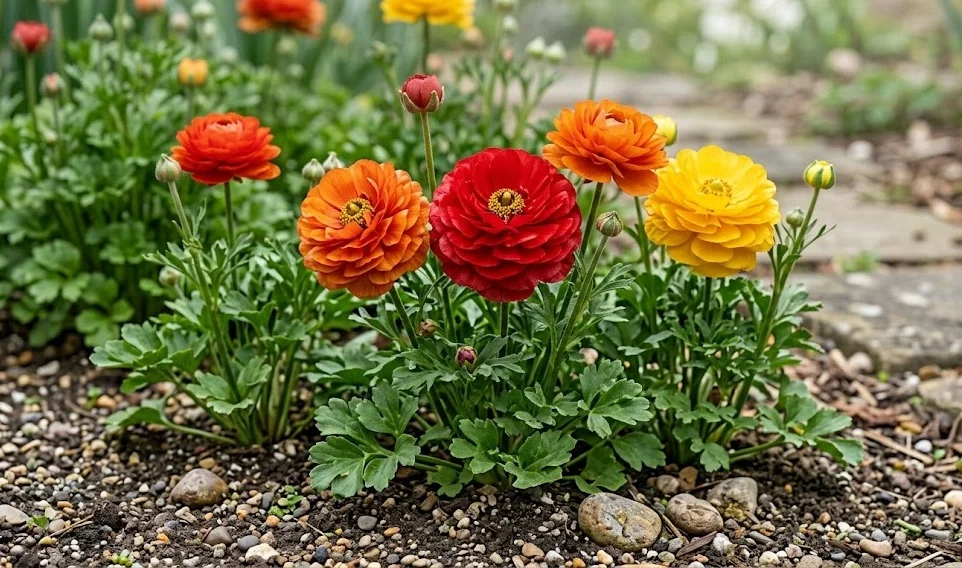

Ensuring the survival of your tubers through the cold months is a critical skill for any dedicated gardener living in a temperate climate. Because these plants are not fully frost-hardy in many regions, you must take active steps to protect the subterranean organs from freezing temperatures. The process of overwintering involves a transition from the garden bed to a controlled storage environment where the tubers can remain dormant. Proper execution of this phase determines whether you will have a successful start to the following spring’s growing season.
Lifting the tubers should begin once the foliage has completely died back and turned yellow or brown in the late summer or early autumn. You should use a garden fork to gently loosen the soil around the base of the plant, taking care not to pierce or bruise the sensitive claws. Once lifted, shake off the excess soil and allow the tubers to dry in a shaded, well-ventilated area for several days. This curing process toughens the outer skin and reduces the moisture content, which is necessary to prevent rot during the long storage period.
Cleaning and inspecting the tubers before storage is a professional step that helps identify any specimens that might harbor disease. You should remove any remaining dry stems and discard any tubers that feel soft, hollow, or show signs of fungal growth. Some gardeners choose to dust the tubers with a light fungicide powder as an extra layer of protection against storage rots. Organizing your collection by variety and color at this stage will make the planning and planting process much easier when the spring finally arrives.
Storage conditions must be carefully regulated to keep the tubers in a state of deep dormancy without allowing them to completely desiccate. You should place the tubers in a box filled with dry peat moss, vermiculite, or sawdust, ensuring they are not touching each other. The storage container should be kept in a cool, dark, and frost-free location, such as a basement or a ventilated garage, with temperatures ideally between four and ten degrees. Periodically checking the tubers throughout the winter allows you to remove any that show signs of decline before they affect the others.