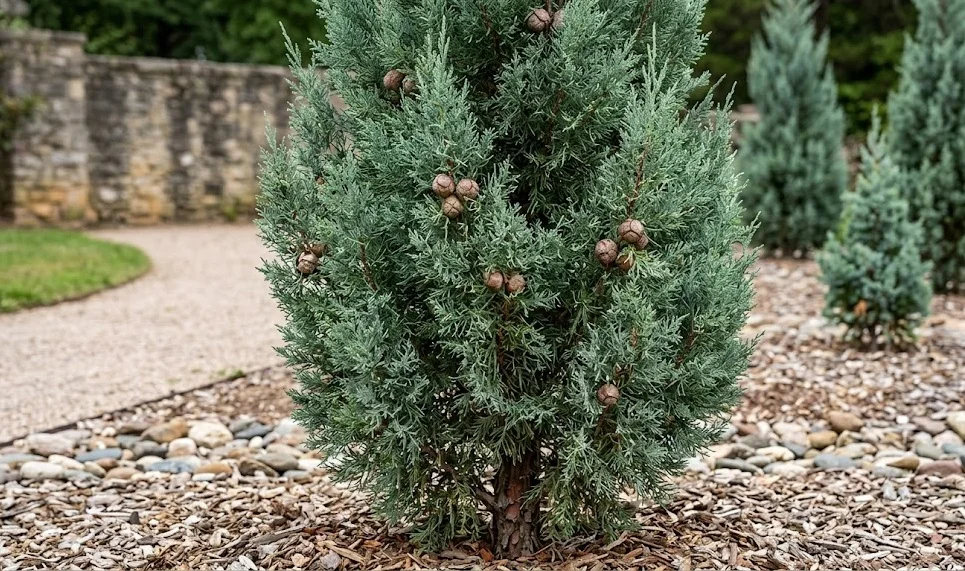

The light requirements of the Arizona cypress are perhaps the most critical factor in determining its overall health, shape, and longevity in any landscape. This tree is a true sun-worshipper, having evolved in the open, high-exposure environments of the southwestern United States and Mexico. To replicate these conditions in a garden setting, you must ensure that the tree receives the maximum amount of direct sunlight possible throughout the day. Without sufficient light, the Arizona cypress will struggle to maintain its characteristic beauty, often becoming sparse, weak, and much more susceptible to pests and diseases.
In the world of gardening, the Arizona cypress is classified as requiring “full sun,” which typically means a minimum of six to eight hours of direct, unobstructed sunlight every day. This light is the fuel for photosynthesis, the process by which the tree creates the energy it needs to grow, produce its vibrant blue-green foliage, and maintain a strong immune system. When a tree is planted in a spot that receives less than this amount, its growth rate slows down significantly, and it may never reach its full potential. Understanding the power of light is the first step in successful cypress cultivation.
The quality of the light is just as important as the quantity, with the intense, direct rays of the sun being much more effective than filtered or indirect light. In its native habitat, the Arizona cypress often grows on south-facing slopes where the sun’s energy is at its peak for most of the year. In a garden, this means you should avoid placing the tree in the shadow of large buildings, walls, or other dense trees that might block the sun for part of the day. A location with an open southern or western exposure is usually the ideal choice for this light-loving evergreen.
Because the Arizona cypress is so dependent on light, it will often physically respond to its lighting conditions in ways that are easy to observe. If a tree is receiving light from only one side, it may begin to lean or grow more densely on the sunnier side, leading to an asymmetrical and potentially unstable shape. Conversely, a tree that is perfectly positioned in full sun will grow evenly in all directions, creating the beautiful, conical form for which the species is famous. By paying close attention to how light moves through your garden, you can find the perfect spot for your tree to thrive.
Ideal sun exposure for optimal growth
To achieve the best possible results with an Arizona cypress, you should aim for a location that provides “total exposure” from sunrise to sunset. This constant stream of light ensures that every part of the canopy can contribute to the tree’s energy production, leading to a much denser and more uniform appearance. In many regions, the morning sun is particularly valuable as it helps to quickly dry the dew from the needles, reducing the risk of fungal infections. The intense afternoon sun is then used to fuel the tree’s primary metabolic processes during the warmest part of the day.
More articles on this topic
If you are planting multiple Arizona cypresses, perhaps as a screen or windbreak, you must be careful with your spacing to ensure they don’t shade each other out. As the trees grow and their canopies expand, they can begin to compete for light just as much as they compete for water and nutrients. Planting them too close together will result in the inner branches losing their needles due to lack of light, leaving you with a wall of green that is thin and bare on the inside. Giving each tree enough room to fully expand its canopy is the key to maintaining long-term health and privacy.
The reflective quality of the surrounding environment can also play a subtle but important role in the light levels your tree receives. Light-colored walls, fences, or even light-colored mulch can reflect additional sunlight back into the lower parts of the canopy, which can be very beneficial for overall density. However, you should be careful with highly reflective surfaces like glass windows, which can sometimes concentrate the sun’s rays and cause localized “scorch” on the needles. Balancing direct sunlight with a supportive surrounding environment will help your tree look its absolute best.
Seasonal changes in the angle of the sun mean that a spot that is in full sun in the summer might be in partial shade during the winter. Because the Arizona cypress is an evergreen and continues to photosynthesize even in the colder months, it is important to consider this winter light as well. A location that remains sunny throughout the year will provide the tree with a more consistent energy supply and help it maintain its color during the dormant season. When evaluating a planting site, try to visualize where the shadows will fall in both July and January to ensure year-round light access.
Consequences of insufficient light and shade
When an Arizona cypress is planted in an area with too much shade, the first thing you will notice is a significant thinning of the canopy. The tree will begin to shed its inner needles as it focuses its limited energy on the tips of the branches that are closest to whatever light is available. Over time, this leads to a “see-through” appearance that lacks the lush, dense quality of a healthy specimen. This thinning is not just an aesthetic issue; it also makes the tree much less effective as a windbreak or a privacy screen.
More articles on this topic
Insufficient light also has a dramatic impact on the color of the needles, which is one of the tree’s most prized features. Without enough sun, the vibrant blue-grey or silvery-green hues will fade to a dull, dark green as the tree produces more chlorophyll to try and capture more light. In extreme cases, the needles may even take on a yellowish tint, indicating that the tree is struggling to maintain its basic metabolic functions. If you want to enjoy the full spectral beauty of the Arizona cypress, there is simply no substitute for direct sunlight.
Structurally, a shade-stressed tree is often much weaker than its sun-grown counterparts. In a desperate search for light, the tree may grow rapidly but with very thin, spindly branches that lack the strength to support their own weight or the pressure of the wind. This “leggy” growth is much more prone to breaking and can lead to a distorted, unattractive form that is difficult to correct through pruning. A tree grown in the shade will also have a smaller, less developed root system, making it more vulnerable to drought and being blown over in storms.
Perhaps most importantly, a lack of light weakens the tree’s natural immune system, making it a prime target for pests and diseases. Many fungal pathogens thrive in the cooler, more humid conditions found in the shade, and a stressed tree has fewer resources to fight off an infection. Similarly, pests like aphids and scale insects are often more successful on trees that are already struggling due to poor lighting. Ensuring your Arizona cypress has plenty of sun is the single best thing you can do to prevent these health issues and keep your tree thriving for years.
Phototropism and managing tree orientation
Phototropism is the natural tendency of plants to grow toward the light, and it is a powerful force in the development of an Arizona cypress. If your tree is planted near a large structure or another tree that blocks the sun for half the day, you will likely see it begin to lean or grow more heavily in the direction of the light. While this is a clever survival strategy for the tree, it can result in a lopsided appearance that may eventually threaten the tree’s stability. Being aware of this tendency allows you to make better planting decisions and intervene if necessary.
If you notice a young tree starting to lean toward the light, you can sometimes correct it through strategic pruning to encourage growth on the shadier side. By thinning out some of the branches on the sunnier side, you can reduce the weight and allow more light to penetrate through to the inner part of the tree. However, this is only a partial solution; if the overall light levels are too low, the tree will always prioritize growing toward the sun. In some cases, the best option may be to relocate a small, young tree to a sunnier spot before it becomes too large to move.
For larger, established trees that have developed a lean, you must be careful to monitor their structural integrity, especially during high winds or heavy snow. A tree that is significantly weighted to one side is at a much higher risk of falling, as the root system may not be evenly developed to counter the lopsided pressure. In these situations, consulting with a professional arborist is often the safest course of action. They can provide advice on cable bracing or corrective pruning that can help stabilize the tree without compromising its health.
Ultimately, the best way to manage phototropism is to avoid it altogether by choosing the right planting site from the very beginning. By ensuring that the tree has a 360-degree view of the sky, you allow it to grow straight and true, reaching upward in a perfect, symmetrical cone. This natural balance is not only more beautiful but also much more structurally sound, allowing the tree to withstand the elements with ease. Respecting the light requirements of the Arizona cypress is the foundation of a healthy, long-lived, and stunning landscape feature.