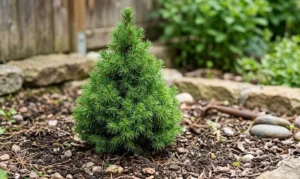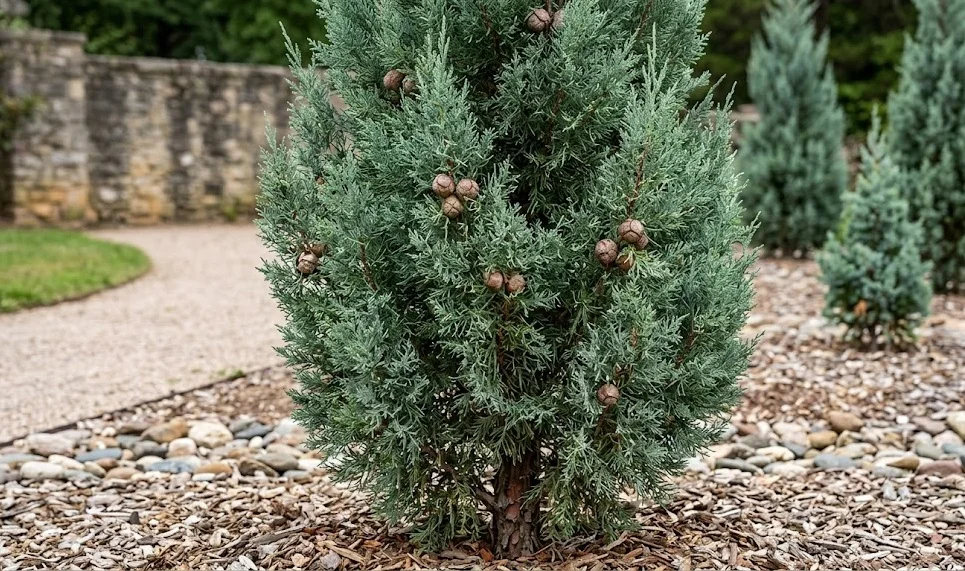

Planting and propagation of the Arizona cypress is a rewarding process that allows you to expand your landscape with beautiful, drought-tolerant evergreens. Whether you are starting with a young sapling from a nursery or attempting to grow your own from seeds or cuttings, success depends on careful preparation. This species is remarkably resilient once established, but the initial stages of its life are when it is most vulnerable to environmental stressors. By following professional guidelines for site selection and handling, you can ensure that your new trees get the best possible start in their new home.
Selecting the right location is the most important decision you will make when planting a new Arizona cypress in your garden. This tree requires full sun for at least six to eight hours a day to develop its characteristic dense foliage and vibrant blue-green color. You should avoid low-lying areas where water tends to collect after heavy rain, as the roots are highly sensitive to standing water. A spot with good air circulation and plenty of room to grow both vertically and horizontally will provide the ideal environment for the tree to reach its full potential.
Preparing the soil before planting is another crucial step that can significantly influence the long-term health of the cypress. While these trees are adaptable, they perform best in well-drained soil that is not overly rich in organic matter. If you have heavy clay soil, you may need to amend the planting area with gravel or sand to improve the drainage capacity. You should also check the soil pH to ensure it is within the slightly acidic to neutral range, which is optimal for the Arizona cypress.
The timing of your planting is also a factor that can determine how quickly the tree settles into its new environment. Early spring or late autumn are generally considered the best times to plant, as the cooler temperatures and natural moisture help reduce transplant shock. Avoiding the extreme heat of mid-summer ensures that the young tree can focus its energy on root development rather than surviving thermal stress. With the right site, soil, and timing, your planting project is much more likely to be a resounding success.
Selecting the right site and soil preparation
When you are looking for the perfect spot to plant your Arizona cypress, think about the long-term size of the tree. These evergreens can grow quite tall and wide, so they should not be placed too close to power lines, buildings, or other permanent structures. Giving the tree enough space from the beginning prevents the need for drastic pruning later on, which can ruin its natural shape. You should also consider the wind patterns in your area, as the cypress can serve as an excellent windbreak if positioned correctly.
More articles on this topic
Soil preparation goes beyond just digging a hole; it involves creating a welcoming environment for the young root system to explore. You should dig a hole that is at least twice as wide as the root ball but no deeper than the height of the root system itself. Loosening the soil around the edges of the hole allows the roots to penetrate the surrounding earth more easily as they begin to grow outward. Avoid adding too much fertilizer or rich compost directly into the planting hole, as this can discourage the roots from spreading into the native soil.
Good drainage is a non-negotiable requirement for the Arizona cypress, so you must test the site if you are unsure about the soil’s performance. You can do this by digging a small test hole, filling it with water, and seeing how long it takes to drain away completely. If the water is still standing after several hours, you may need to reconsider the location or build a raised mound for the tree. Planting on a slight slope can also help naturally direct excess water away from the root zone and prevent saturation.
Finally, consider the visibility and aesthetic impact of the tree within your overall garden design. The Arizona cypress has a distinct architectural form that can be used to frame views or create a sense of privacy in specific areas. Because of its blue-grey foliage, it looks particularly striking when set against a dark background or paired with plants that have contrasting colors. Taking the time to visualize the tree’s future presence in the landscape will help you choose a spot that is both functional and beautiful.
Step-by-step planting guide for young saplings
Once you have selected the site and prepared the soil, it is time to move the young sapling into its permanent home. Handle the tree carefully by the root ball or the container rather than the trunk to avoid damaging the delicate vascular tissue. If the tree is in a pot, gently squeeze the sides to loosen the roots before sliding it out, taking care not to break the soil mass. If you notice any roots circling the inside of the pot, you should gently tease them outward so they can grow in the right direction.
More articles on this topic
Place the tree in the center of the hole and check its depth to ensure that the trunk flare is level with or slightly above the surrounding soil. This is a critical step, as planting too deep can lead to oxygen deprivation and rot at the base of the tree. You can use a shovel handle laid across the hole to check the level and make sure the tree is sitting at the correct height. Once you are satisfied with the position, you can begin to backfill the hole with the native soil you removed earlier.
As you fill the hole, use your hands or feet to gently firm the soil around the roots to remove any large air pockets. Do not pack the soil too tightly, as this can make it difficult for water and air to reach the roots, but ensure there is good contact between the soil and the root ball. You may want to fill the hole halfway, add some water to settle the soil, and then finish filling the rest of the way. This technique helps ensure that the roots are well-supported and hydrated right from the start.
Immediately after planting, provide the tree with a thorough watering to help it settle into its new environment. This initial deep soak is essential for eliminating any remaining air gaps and ensuring that the roots have access to immediate moisture. You may also want to apply a thin layer of mulch around the base, keeping it a few inches away from the trunk itself. This mulch will help retain moisture and keep the soil temperature stable as the young Arizona cypress begins its journey in your garden.
Propagation by seeds and germination techniques
Growing an Arizona cypress from seed is a fascinating way to understand the tree’s life cycle from the very beginning. The seeds are typically found inside the woody cones that mature over a period of two years on the parent tree. To collect the seeds, you should look for cones that have turned brown and started to dry out, as this indicates that they are ready to open. Once collected, placing the cones in a warm, dry spot will encourage them to release the small, winged seeds contained within.
Before planting, many growers find that a period of cold stratification can improve the germination rates of the seeds. This process mimics the natural winter conditions the seeds would experience in the wild and helps break their internal dormancy. You can place the seeds in a damp paper towel inside a sealed plastic bag and keep them in the refrigerator for about four to six weeks. This simple step often leads to a more uniform and successful sprout once the seeds are moved to a warmer environment.
When you are ready to sow the seeds, use a well-draining seed-starting mix that is light and airy to allow for easy root development. Sow the seeds near the surface, as they may require some light to stimulate the germination process, and keep the soil consistently moist but not wet. A warm location with bright, indirect light is ideal for the young seedlings as they begin to emerge from the soil. You should see the first signs of growth within a few weeks, depending on the temperature and the quality of the seeds.
As the seedlings grow, they will need plenty of light to prevent them from becoming leggy and weak. Once they have developed a few sets of true needles and are strong enough to handle, you can transplant them into individual pots to continue their growth. It is important to handle these young plants gently, as their root systems are still very fragile at this stage. Growing your own trees from seed takes patience, but it is a deeply satisfying way to produce multiple specimens for your landscape at a very low cost.
Propagation by cuttings and nursery care
Propagation by cuttings is another effective method for creating new Arizona cypress trees, especially if you want to replicate the specific traits of a parent tree. This method involves taking a small piece of a healthy branch and encouraging it to grow its own roots. The best time to take cuttings is usually in late summer or early autumn when the wood is semi-hardened but still possesses plenty of growth potential. You should choose healthy, vigorous shoots that show no signs of disease or pest damage for the best results.
Each cutting should be about four to six inches long, with the needles removed from the bottom half of the stem. Dipping the cut end into a rooting hormone can significantly increase the chances of success by stimulating the production of new root cells. Insert the cuttings into a pot filled with a sterile, well-draining medium like a mix of perlite and peat moss. Maintaining high humidity around the cuttings is essential, so you may want to cover the pot with a clear plastic dome or bag to trap moisture.
Keep the cuttings in a bright spot but out of direct sunlight, which can cause them to overheat and dry out before they can root. You will need to check the moisture levels regularly, misting the foliage if necessary to keep the environment humid. It can take several months for roots to form, so patience is key when working with cypress cuttings. You can check for progress by very gently tugging on the cutting; if you feel resistance, it means that roots are beginning to anchor it into the medium.
Once the cuttings have established a strong root system, they can be moved into larger containers with standard potting soil. These young plants should be kept in a protected area for their first year to allow them to harden off and become more resilient. Gradually introducing them to more direct sunlight will prepare them for eventual planting in the garden. Propagating from cuttings allows you to maintain a consistent look in your landscape by using clones of your favorite Arizona cypress specimens.