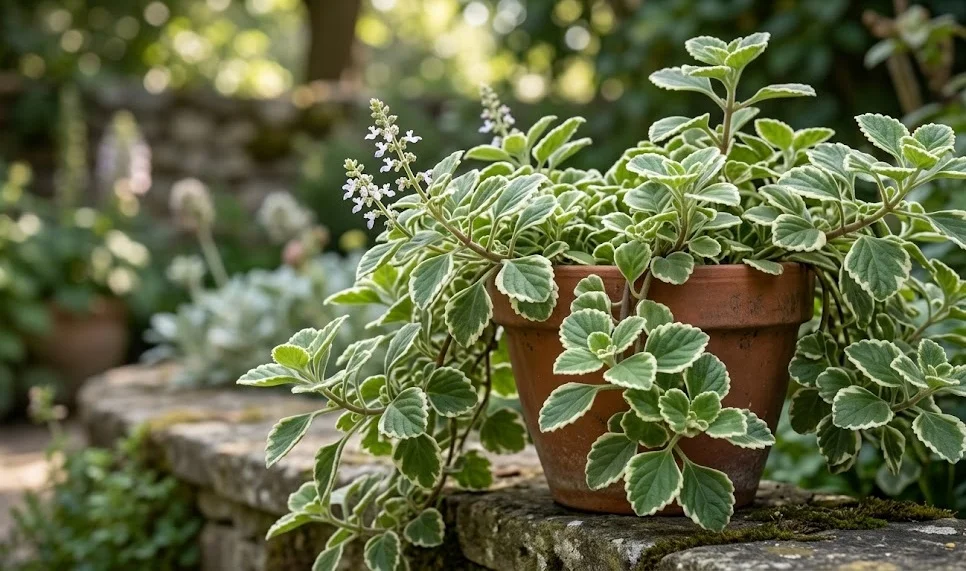

The amount of light a plant receives is the most critical factor in determining its growth rate and appearance. You should strive to find the perfect balance of illumination for your Swedish ivy to maintain its beauty. This species is quite flexible but has specific preferences that will lead to the best aesthetic results. Understanding how light interacts with the foliage will help you choose the best location for your containers.
In its natural environment, this plant often grows under the canopy of larger trees or in filtered sunlight. You should try to replicate these conditions by providing bright, indirect light for the majority of the day. Direct, midday sun can be too intense and may lead to the delicate variegated leaves being scorched or burned. A spot that receives dappled sunlight through a tree or a sheer curtain is often considered ideal.
The intensity of the light directly affects the color and patterns seen on the variegated leaf surfaces. You should notice that the white or cream-colored edges become much more pronounced when the light is sufficient. If the plant is kept in a spot that is too dark, it may lose its variegation and become a solid green. Ensuring the plant gets enough light is the only way to preserve the striking visual contrast of the foliage.
During the different seasons, you will need to adjust the placement of the plant to account for the sun’s path. You should move the plant closer to the windows during the short, dark days of winter to maximize light exposure. Conversely, in the height of summer, you might need to move it back a few feet to avoid the heat. Being mindful of these seasonal changes will keep your plant in the best possible condition year-round.
Signs of light stress and imbalances
Learning to recognize the physical signals of incorrect light exposure will help you make necessary adjustments quickly. You should look for small, brown, crispy spots on the leaves as a primary indicator of sun damage or “burn.” If the leaves appear washed out or yellowed, it might be a sign that the light intensity is too high. Moving the plant to a slightly more shaded area will usually stop any further damage from occurring.
More articles on this topic
On the other hand, a lack of light also produces very distinct symptoms that are easy for a gardener to spot. You should be concerned if the stems start to grow very long and thin with large gaps between the leaves. This “leggy” growth is the plant’s attempt to stretch toward the nearest source of energy and light. The leaves may also become smaller and less vibrant as the plant struggles to perform enough photosynthesis.
The orientation of your windows plays a huge role in the type and quality of light your plants receive. You should know that south-facing windows usually provide the strongest and most consistent light throughout the day. East-facing windows offer gentle morning sun, which is perfect for many ornamental species that prefer cooler light. West-facing windows can be quite hot in the afternoon, so you must monitor the temperature in those spots.
Rotating the pot every week is a simple but effective technique to ensure uniform growth and light exposure. You should turn the plant ninety degrees every time you water it to prevent it from leaning toward the sun. This practice encourages the plant to grow evenly on all sides, resulting in a much more balanced and attractive shape. Without rotation, the side facing the window will always be much bushier and healthier than the shaded side.
Strategic placement for optimal health
Finding the “sweet spot” in your home or garden involves a bit of trial and error and careful observation. You should start by placing the plant in a location that you think meets its basic requirements for bright light. Observe the plant for a week or two and see how it reacts to the new environment and daily sun cycles. If you see signs of stress or poor growth, do not hesitate to try a completely different location.
More articles on this topic
Outdoor placement requires extra care because the environmental factors are much more variable and intense than indoors. You should look for a patio or balcony that offers protection from the harsh afternoon sun but is still bright. Underneath a porch roof or in the shadow of a larger garden plant can provide the necessary dappled light. Always check the plant frequently during the first few days outside to ensure it is not being overwhelmed.
The color of the walls and the presence of mirrors in a room can also influence the light levels for your plants. You should take advantage of light-colored surfaces that reflect natural light back onto the foliage of your plants. This reflected light can be very beneficial in rooms that do not have many large windows or direct sun. Creating a bright environment is about more than just the window; it involves the entire surrounding space.
Ultimately, the best light for your Swedish ivy is the one that allows it to grow steadily and maintain its colors. You should trust your eyes and the appearance of the plant more than any general rule or piece of advice. Every home has a unique light profile that changes throughout the day and the different seasons of the year. Your goal is to become an expert on the specific light conditions of your own unique gardening space.