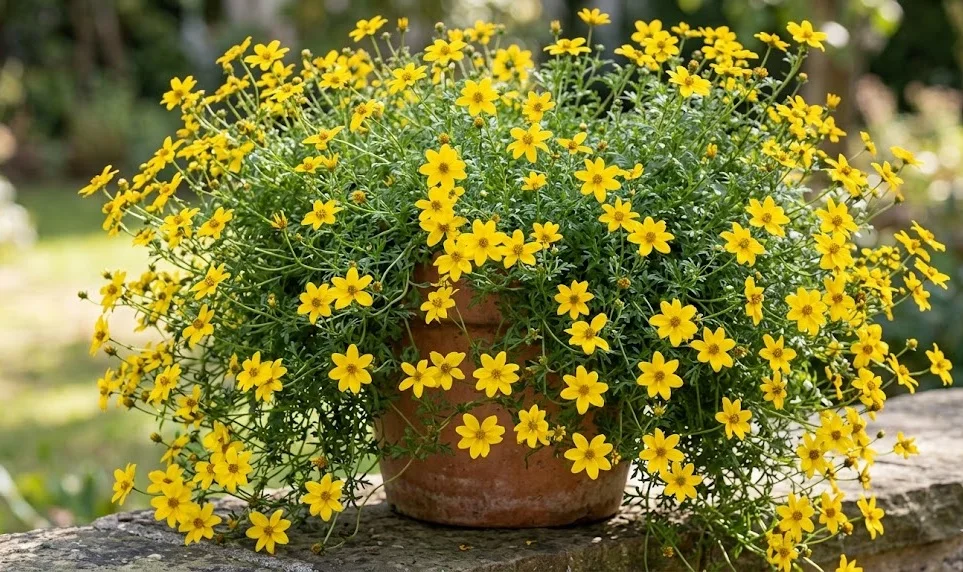

The key to a spectacular and long-lasting floral display lies in mastering the balance of hydration and nutrition throughout the summer. These plants are high-energy growers that require consistent inputs to maintain their lush foliage and endless supply of golden blossoms. You will find that their needs can change rapidly depending on the temperature and the stage of their development within the container. By adopting a professional approach to watering and feeding, you can ensure that your garden remains a vibrant focal point from dawn until dusk.
Understanding hydration requirements
Water is the lifeblood of these trailing plants, especially given their tendency to be grown in hanging baskets that dry out quickly. You should check the moisture level of the soil every day, particularly during the peak of summer when temperatures are high. If the top centimeter of soil feels dry to the touch, it is usually time to provide a thorough watering for the entire pot. Consistency is more important than the total amount of water, as extreme fluctuations between bone-dry and saturated soil can stress the plant.
The time of day you choose to water can have a significant impact on the health and efficiency of the plant’s growth cycle. Early morning is generally considered the best time because it allows the foliage to dry off before the sun becomes too intense. Watering in the evening is also an option, but you must be careful not to get too much water on the leaves to avoid fungal issues. Avoid watering in the middle of a hot day if possible, as much of the moisture will evaporate before the roots can actually absorb it.
When you do water, make sure to apply enough so that it reaches the very bottom of the root ball and begins to trickle out of the drainage holes. Shallow watering encourages roots to stay near the surface where they are more vulnerable to heat and drying out. A deep soak ensures that the entire root system is hydrated and can continue to support the massive amount of top growth. If the soil has become so dry that it has pulled away from the edges of the pot, you may need to soak the entire container in a tub of water.
During periods of high humidity or rainy weather, you should adjust your watering schedule downward to prevent the soil from becoming waterlogged. These plants do not like to sit in stagnant water, which can quickly lead to the death of the fine feeder roots. Always lift your hanging baskets or check the weight of your pots to get a better sense of how much water is actually inside. Being observant of the environment will help you provide exactly what the plant needs without overdoing it or causing unnecessary stress.
More articles on this topic
Choosing the right fertilizers
To support the intense blooming schedule of these golden flowers, you must provide a steady supply of essential nutrients throughout the season. A balanced fertilizer containing nitrogen, phosphorus, and potassium is the standard requirement for most flowering annuals in containers. Nitrogen promotes healthy green leaf growth, while phosphorus is critical for the development of strong roots and numerous flower buds. Potassium helps with the overall hardiness of the plant and its ability to transport water and nutrients internally.
Many professional gardeners prefer using a water-soluble fertilizer that can be applied easily during the regular watering routine. This method ensures that the nutrients are immediately available to the plant in a form that is easy to absorb through the root system. You can also find slow-release granules that are mixed into the soil at the time of planting to provide a base level of nutrition for several months. Combining both methods—a slow-release base and a liquid supplement—often yields the most impressive results for heavy feeders like these.
When selecting a fertilizer, look for products that also contain trace elements or micronutrients like iron, magnesium, and manganese. These minor components play a big role in preventing leaf yellowing and ensuring that the plant’s metabolism functions at its peak. If you notice the veins of the leaves staying green while the rest of the leaf turns pale, it might be a sign of a specific mineral deficiency. Using a high-quality, comprehensive fertilizer will usually prevent these issues before they ever start to affect the visual appeal of your garden.
Organic options like seaweed extract or fish emulsion are also excellent choices for those who prefer a more natural approach to gardening. These products provide a wide range of nutrients and also help support the beneficial microbial life within the potting soil. While they might have a stronger scent than synthetic fertilizers, they are very gentle on the plants and reduce the risk of chemical burns. Whichever type you choose, the goal is to provide a consistent energy source that keeps the plant productive and healthy all summer long.
More articles on this topic
Application techniques and frequency
The frequency of fertilization should be matched to the growth rate of the plant and the volume of water it receives. Because container plants are watered frequently, the nutrients are washed out of the soil much faster than they would be in a garden bed. Most experts recommend applying a liquid fertilizer every ten to fourteen days during the most active part of the growing season. If you are watering every day due to extreme heat, you might even consider using a half-strength solution every week to keep the nutrient levels stable.
Always apply fertilizer to soil that is already slightly moist to prevent the concentrated minerals from shocking or burning the dry roots. If the plant is severely wilted, give it plain water first and wait an hour before applying any supplemental nutrition. This professional habit ensures that the plant is in the best possible state to safely process the incoming nutrients. Taking the time to do this correctly will result in a much healthier and more resilient plant over the long term.
As the season winds down and the days become shorter, you should gradually reduce the frequency of feeding to match the plant’s slowing metabolism. In late August or September, the plant doesn’t need as much fuel because it is no longer growing at the same frantic pace as it was in June. Forcing continued rapid growth late in the year can make the plant more vulnerable to early autumn frosts or pests. Listening to the natural rhythm of the seasons is a hallmark of an experienced and successful gardener.
Be sure to clean any fertilizer spills from the leaves of the plant after application to prevent localized damage or spotting. You can simply rinse the foliage with a gentle spray of plain water if you accidentally get some of the solution on the green parts. This also helps keep the leaves clean and free of dust, which allows for more efficient photosynthesis and a brighter appearance. A little bit of extra care during the feeding process goes a long way in maintaining the professional quality of your floral display.
Monitoring and adjusting nutrient levels
Observation is your most powerful tool for determining whether your fertilization strategy is working or if it needs to be adjusted. If the plant is producing lots of lush green leaves but very few flowers, you might be providing too much nitrogen and not enough phosphorus. Conversely, if the growth is stunted and the leaves look pale, a general boost in overall nutrition is likely required to get things back on track. Each plant is an individual, and its specific needs can vary based on its variety and the unique conditions of your balcony.
High temperatures can sometimes interfere with a plant’s ability to take up certain nutrients, even if they are present in the soil. During a heatwave, the plant might prioritize water transport over nutrient absorption to keep its tissues cool and hydrated. In these cases, it is often better to skip a feeding until the weather breaks and the plant is no longer under extreme environmental stress. Patience and flexibility are key when managing the complex relationship between weather, water, and food in the garden.
Salt buildup is a common issue in containers that are fertilized heavily over a long period without sufficient flushing. You might notice a white, crusty residue on the surface of the soil or around the rim of the pot, which can eventually harm the roots. Once a month, it is a good practice to water your containers very heavily with plain water to wash out any excess accumulated salts. This “flushing” technique keeps the root environment fresh and prevents the chemical imbalances that can lead to leaf tip burn.
If you are growing several different types of plants in the same container, you may need to find a middle ground that keeps everyone happy. Some companion plants might be lighter feeders than your golden blooms and could be overwhelmed by a very aggressive fertilization schedule. Observing how all the plants in a mixed arrangement are responding will help you fine-tune your approach for the best collective outcome. A successful mixed basket is a testament to a gardener’s ability to balance the competing needs of different species.
Long-term soil health strategies
Even though many people treat these plants as annuals, thinking about the long-term health of your garden soil is still a professional necessity. If you plan to reuse your containers next year, you should consider how the intensive feeding of the current season has affected the substrate. Emptying the pots at the end of the year and mixing the old soil with fresh compost is a great way to recycle materials while maintaining quality. This prevents the soil from becoming “tired” and depleted of the organic structures that hold moisture and air.
Using organic mulches can also contribute to the nutrient profile of your pots as they slowly break down over the course of the summer. Materials like finely shredded bark or high-quality compost not only look professional but also provide a slow-release source of micronutrients. This layer also protects the surface of the soil from the impact of heavy watering, which can sometimes lead to compaction and crusting. Every small addition of organic matter helps create a more robust and self-sustaining ecosystem within your containers.
Some gardeners like to experiment with “foliar feeding,” which involves spraying a very dilute nutrient solution directly onto the leaves for rapid absorption. While this can provide a quick boost, it should never replace a solid root-based fertilization program for these types of plants. If you decide to try it, make sure the solution is weak enough not to cause any leaf burn under the sun. It can be a useful “emergency” measure if a plant is looking particularly stressed or nutrient-deficient after a period of bad weather.
Ultimately, the goal of your watering and fertilization program is to create a stress-free environment where the plant can reach its full genetic potential. When you provide the right amounts of water and food at the right times, the plant will reward you with a breathtaking display that lasts for months. There is a deep sense of satisfaction in knowing that the beauty of your balcony is a direct result of your expert care and attention. Enjoy the process of learning what your plants need and watching them flourish under your dedicated guidance.