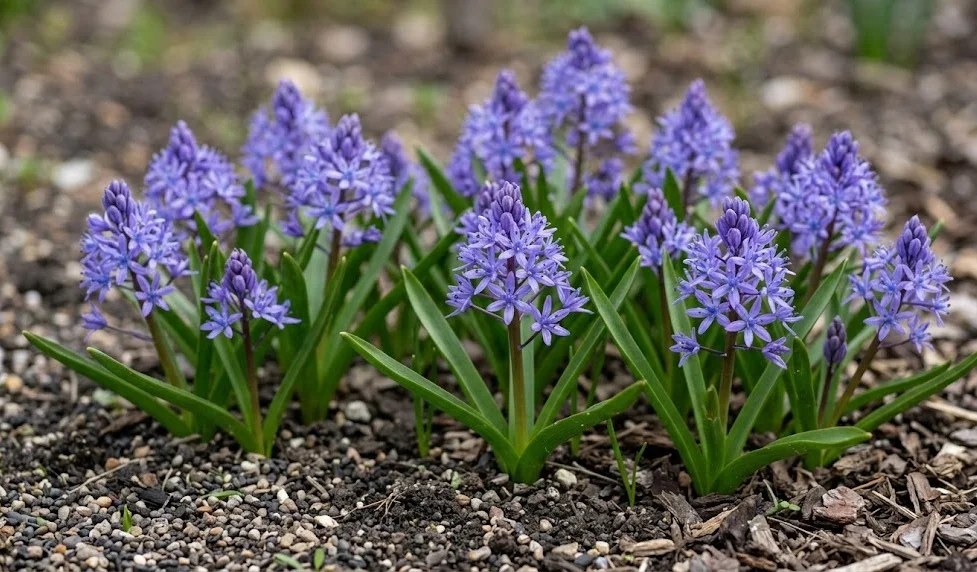

Correct hydration is the foundation of health for any bulbous plant, especially those that originate from regions with distinct wet and dry seasons. During the active growth period in late winter and early spring, the Balkan squill requires a consistent supply of moisture to develop its foliage and flowers. You should monitor the soil regularly and provide supplemental water if the spring rains are insufficient to keep the earth damp. A professional approach to watering prevents the plant from experiencing stress during its most critical developmental phase.
When you water, it is better to provide a deep soaking less frequently than to give light sprinkles every day. Deep watering encourages the roots to grow further down into the soil, which makes the plant more resilient to future dry spells. You should aim to moisten the soil to a depth of several inches, ensuring that the water reaches the root zone around the bulb. Using a soft spray attachment on your hose will prevent the soil from washing away and avoid damaging the delicate spring growth.
The timing of your watering can also impact the health of the plants and the efficiency of the moisture uptake. Watering in the early morning is ideal because it allows the foliage to dry off before the sun becomes too intense or the evening coolness arrives. Wet leaves overnight can sometimes encourage the growth of mold or other fungal issues that professional gardeners try to avoid. Morning hydration ensures that the plant is fully turgid and ready to face the day’s environmental challenges.
As the flowers begin to fade and the plant prepares for dormancy, you should gradually reduce the amount of water you provide. Once the leaves have turned yellow and died back completely, the bulbs prefer to stay relatively dry throughout the summer months. This mimics the dry Mediterranean summers of their homeland and prevents the bulbs from rotting while they are inactive. Professional water management is about understanding when to stop just as much as when to start.
Managing moisture during dormancy
The summer dormancy period is a unique phase in the life of the Balkan squill where its water needs change dramatically. During this time, the internal biological processes are slow, and the bulb does not require active hydration from the surface. In fact, keeping the soil too wet during July and August is one of the most common mistakes that can lead to bulb loss. A professional gardener knows that “dry feet” are essential for the health of dormant bulbs during the heat of summer.
More articles on this topic
If your garden experiences particularly heavy summer thunderstorms, you should ensure that the drainage in your bulb beds is working perfectly. The water should move quickly through the soil profile rather than sitting in pools around the dormant bulbs. If you notice standing water, it might be necessary to improve the soil structure with more grit or organic matter in the future. Managing the site’s topography to prevent water accumulation is a professional skill that protects your investment.
In regions with extremely high humidity and frequent rain, some gardeners choose to plant their squills on slight mounds or in raised beds. This elevated position provides an extra layer of protection against the risks associated with excessive summer moisture. It also allows for better air circulation around the base of the plants once they begin to emerge again in the autumn. Professional landscaping often incorporates these structural elements to manage moisture levels effectively year-round.
When autumn arrives and the temperatures begin to drop, you can resume a light watering schedule if the season is particularly dry. This helps to “wake up” the bulbs and encourages the initiation of new root growth before the winter sets in. You are looking for a subtle shift in soil moisture that signals the start of the next cycle without saturating the ground. Precise control over these transitions is a key component of high-level horticultural practice.
Nutrient requirements for bulb health
Fertilizing the Balkan squill is not about providing high doses of chemicals, but rather about ensuring the soil has a balanced nutritional profile. These bulbs are relatively low-feeders, but they do benefit from the right nutrients at the right time to support their annual growth. A professional gardener focuses on building long-term soil fertility rather than looking for quick-fix solutions. Healthy soil naturally provides most of what the plant needs to produce beautiful, vibrant flowers.
More articles on this topic
The best time to apply nutrients is in the early spring just as the first green shoots begin to push through the soil surface. At this stage, the plant is using a lot of energy to build its foliage and prepare for blooming. A light application of a balanced, slow-release fertilizer can provide the necessary support for this rapid development. Avoid using high-nitrogen fertilizers, as these can lead to lush leaf growth at the expense of flower quality and bulb strength.
Phosphorus and potassium are particularly important for bulbous plants because they support root development and flower production. You can find specialized “bulb food” that is formulated with the correct ratios of these essential elements for professional results. Applying the fertilizer according to the package directions is important to avoid over-feeding, which can sometimes damage the delicate roots. Professionalism in gardening involves following precise measurements and timing for all soil amendments.
In addition to commercial products, top-dressing the beds with a thin layer of well-rotted compost every autumn is a highly effective practice. This organic matter slowly releases nutrients over the winter and improves the overall structure and biological health of the soil. It also supports the beneficial microbes and fungi that help the bulbs absorb nutrients more efficiently. Building a living soil is the ultimate goal for any professional agriculturist or serious gardener.
Advanced fertilization techniques
For those looking to achieve exceptional results, foliar feeding can be a supplementary technique used during the active growth phase. This involves spraying a very dilute liquid fertilizer directly onto the leaves, where it can be absorbed quickly by the plant. This method is best used as a boost during the peak of the spring season when the plant’s metabolism is at its highest. However, it should never replace the foundational nutrition provided by a healthy and well-maintained soil base.
Understanding the specific mineral deficiencies of your garden can help you tailor your fertilization strategy more effectively. For example, if your plants have yellowing leaves despite proper watering, they might be lacking in iron or magnesium. Soil testing is a professional tool that takes the guesswork out of gardening and allows for targeted interventions. Knowing exactly what your soil needs is the hallmark of a sophisticated and scientific approach to horticulture.
Avoid fertilizing the plants while they are in full bloom, as this can sometimes cause the flowers to fade more quickly. It is better to focus your nutritional support on the periods before and after the floral display. After the flowers have finished, the plant is busy photosynthesizing to rebuild the energy stores in the bulb for the next year. Providing a little extra support at this stage can help ensure that next year’s blooms are even more spectacular.
Organic fertilizers, such as bone meal or seaweed extract, are excellent choices for gardeners who prefer a more natural approach. These products break down slowly and provide a steady stream of micronutrients that contribute to the overall resilience of the colony. They also help to maintain the long-term health of the soil without the risk of salt buildup associated with some synthetic products. Choosing high-quality organic inputs is a professional decision that benefits the entire garden ecosystem.
Monitoring and adjusting care
The most important part of any watering and fertilization plan is the regular observation of the plants themselves. You should look for signs of vigor, such as strong, upright stems and deep green foliage, which indicate that your care routine is successful. If the plants look stunted or the color is pale, it might be time to re-evaluate your moisture and nutrient levels. A professional gardener is always learning from the feedback provided by the living landscape.
Environmental factors like wind and temperature can change how quickly the soil dries out and how fast the plants use up their nutrients. During a particularly windy spring, you might need to water more frequently to compensate for the increased evaporation from the soil surface. Similarly, an unusually warm spell can accelerate the growth process and increase the demand for nutritional support. Being flexible and responsive to the weather is a professional necessity for anyone managing outdoor plants.
Keeping a garden journal is a highly recommended practice for tracking when you water and what fertilizers you have applied. Over several years, this record will help you identify the best routines for your specific garden conditions and plant varieties. You can note the dates of the first blooms and compare them to previous years to see how your interventions are affecting the plants. Documentation is a key part of professional agricultural and horticultural management.
Ultimately, the goal of watering and fertilizing is to create a self-sustaining and healthy population of Balkan squills. By providing the right foundations, you allow the plants to express their natural beauty with minimal constant intervention. A garden that thrives with professional guidance rather than constant struggle is the true sign of a master gardener. Your dedication to the details of moisture and nutrition will be rewarded every spring with a stunning carpet of blue.