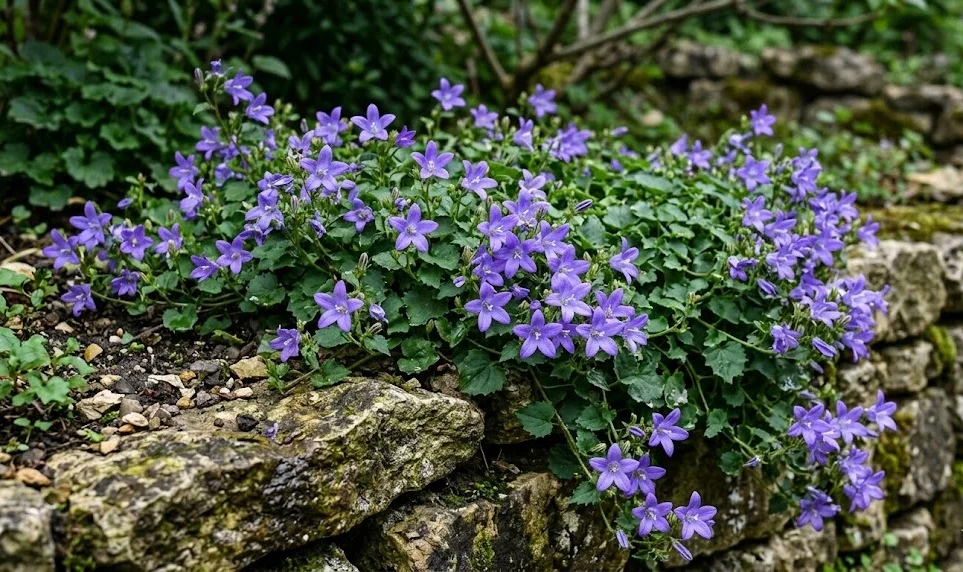

Protecting this perennial from biological threats is essential for maintaining the dense, healthy carpet of foliage that makes it so attractive. While it is generally a hardy species, certain environmental conditions can make it vulnerable to specific fungal pathogens and opportunistic insects. A professional gardener knows that prevention is the first line of defense, but also understands how to react quickly when a problem arises. By learning to identify the early warning signs of trouble, you can stop pests and diseases before they compromise the beauty of your landscape.
Common fungal infections
The most frequent disease issue you will encounter with this plant is powdery mildew, which appears as a white, dusty coating on the leaves. You should watch for this especially during humid weather or when the air circulation around the plants is poor. This fungus doesn’t usually kill the plant, but it can significantly weaken the foliage and ruin the visual appeal of the purple flowers. Improving the spacing between plants is often the best long-term solution for preventing the spread of these spores.
Rust is another fungal disease that can occasionally affect the undersides of the leaves, showing up as orange or brown pustules. You should remove any affected leaves as soon as you see them and dispose of them in the trash, not the compost pile. High humidity and wet foliage are the primary drivers of rust, so adjusting your watering habits is a critical preventative measure. Professional gardeners often use preventative organic sprays in early spring if they know rust is a recurring problem in their area.
Crown rot is perhaps the most serious fungal threat, as it can kill a well-established plant very quickly. You should check the base of the plant for any signs of softening or blackening, which usually indicates that the soil is too wet. This disease often strikes in heavy clay soils or during exceptionally rainy seasons when the roots cannot find enough oxygen. If a plant is severely affected by crown rot, the best professional course of action is to remove it entirely and improve the drainage in that spot.
Leaf spot diseases are characterized by small, dark circles on the foliage that can eventually merge and cause the leaf to die. You should avoid overhead watering, as the splashing of water is the primary way that these fungal spores move from leaf to leaf. Keeping the garden bed clear of fallen debris and old foliage will also reduce the amount of inoculum present in the environment. Consistent sanitation and careful irrigation are the most effective professional techniques for managing various leaf spot issues.
More articles on this topic
Identification of insect pests
Slugs and snails are the most common pests that target the tender leaves and stems of the trailing bellflower. You should look for irregular holes in the foliage and the tell-tale silver trails left behind by these nocturnal visitors. They are particularly active during damp weather and can quickly strip a young plant of its leaves if left unchecked. Using professional-grade organic slug pellets or physical barriers like copper tape can help protect your plants from these hungry mollusks.
Aphids can sometimes congregate on the new, soft growth and the flower buds, sucking the sap and weakening the plant. You should inspect the tips of the stems regularly for these small, green or black insects and the sticky “honeydew” they excrete. A heavy infestation can lead to distorted growth and can even transmit viral diseases between different plants in your garden. A strong blast of water from a hose is often enough to dislodge them, but insecticidal soap is a more professional and thorough solution.
Spider mites can become a problem during hot, dry summer weather when the plant is already under moisture stress. You should look for fine webbing on the undersides of the leaves and a general “bronzing” or speckling of the foliage. These tiny pests are hard to see with the naked eye, so a professional will often use a magnifying glass to confirm their presence. Increasing the humidity around the plant and ensuring it is well-watered can help deter these mites from establishing a colony.
Vine weevils are a more insidious pest because their larvae live in the soil and feed on the roots, which can go unnoticed until it is too late. You should watch for notched edges on the leaves, which is a sign that the adult beetles are present and feeding at night. If a plant suddenly wilts for no apparent reason, you may need to dig it up and check the root ball for the C-shaped, white larvae. Using beneficial nematodes is a professional biological control method that is highly effective against these hidden garden threats.
More articles on this topic
Preventative care practices
The best way to manage pests and diseases is to create an environment where the plants are healthy enough to defend themselves. You should focus on providing the ideal balance of light, water, and nutrients to ensure the plant’s natural immune system is strong. A stressed plant is much more attractive to pests and more susceptible to being overwhelmed by fungal infections. Professional gardening is often about managing the ecosystem as a whole rather than just focusing on individual problems.
Sanitation is a simple but vital part of any preventative care program in a professional garden setting. You should regularly remove spent flowers, dead leaves, and any other organic debris that might collect in the center of the plant. This prevents the buildup of moisture and limits the hiding places for pests like slugs and snails during the day. Keeping your tools clean and sharp also prevents the accidental introduction of pathogens when you are pruning or dividing your plants.
Proper spacing and air circulation are your best tools for fighting off fungal diseases like powdery mildew and rust. You should resist the urge to plant too densely for immediate effect, as this will lead to a congested canopy that stays damp for too long. If a plant grows too large and begins to impede air movement, don’t be afraid to thin it out or divide it. A professional landscape is designed with the mature size of the plants in mind to ensure long-term health and vitality.
Regular monitoring is the final piece of the preventative puzzle, allowing you to catch issues while they are still small. You should make it a habit to walk through your garden daily and look closely at the foliage and stems of your bellflowers. Early detection often means the difference between a simple organic fix and having to use more drastic chemical measures. Being proactive and observant is what separates an expert gardener from someone who only reacts when a plant is already dying.
Integrated pest management
Integrated Pest Management, or IPM, is a professional philosophy that combines biological, cultural, and chemical tools in a strategic way. You should start with the least toxic methods first, such as physical removal of pests or improving the plant’s growing conditions. Only if these methods fail should you consider moving on to more specialized treatments like organic oils or soaps. This approach protects the beneficial insects in your garden while effectively managing the populations of pests.
Encouraging natural predators is a key part of a professional IPM strategy for a healthy and balanced garden. You should avoid using broad-spectrum insecticides that kill the “good bugs” along with the “bad bugs.” Ladybugs, lacewings, and predatory mites are all valuable allies that can keep aphid and spider mite populations under control naturally. By creating a diverse habitat that supports these beneficial creatures, you reduce the need for human intervention over time.
When you do need to use a spray, ensure you are using a product that is specifically labeled for the pest or disease you are targeting. You should always read the entire label and follow the instructions for application rates and timing to the letter. Applying chemicals in the early morning or late evening protects pollinators like bees that might be visiting the purple flowers. Professionalism in the garden means being responsible with the products you use to protect your plants and the wider environment.
Rotating the types of treatments you use can help prevent pests and diseases from developing resistance to a particular product. You should switch between different active ingredients if a problem persists over several weeks or across multiple seasons. This is especially important for fungal diseases, which can adapt quickly if the same fungicide is used repeatedly in the same area. A diverse and shifting management strategy is the most effective way to maintain long-term control over persistent garden threats.
Restoring health after an attack
Once a pest or disease issue has been brought under control, the focus shifts to helping the plant recover its former vigor. You should prune away any damaged or dead foliage to encourage the plant to produce fresh, healthy new growth. A light application of a balanced fertilizer can provide the necessary nutrients to fuel this recovery process. However, be careful not to over-fertilize, as the plant needs time to stabilize its metabolic processes after the stress of an attack.
Check the soil conditions around the recovering plant to see if any environmental factors contributed to the original problem. You might find that the soil has become compacted or that the drainage isn’t as good as you previously thought. Making small adjustments to the local environment can prevent the same issue from returning in the next growing season. Professional restoration involves not just fixing the symptoms, but addressing the underlying causes of the plant’s vulnerability.
Patience is required when a plant is recovering from a significant pest infestation or a bout of fungal disease. You should continue to monitor the plant closely for any signs of a relapse, as lingering spores or hidden eggs can cause a new outbreak. It may take several weeks or even a full growing season for the plant to return to its peak floral display. During this time, maintaining a consistent watering and care routine is the best support you can offer to your recovering bellflower.
If a plant fails to recover despite your best efforts, you should consider it a learning experience for the future. You might decide to replant that area with a more resistant variety or change the configuration of the garden to improve air circulation. Sometimes, the most professional decision is to start fresh rather than continuing to struggle with a chronically ill specimen. Every challenge in the garden provides an opportunity to refine your skills and improve the health of your entire landscape.