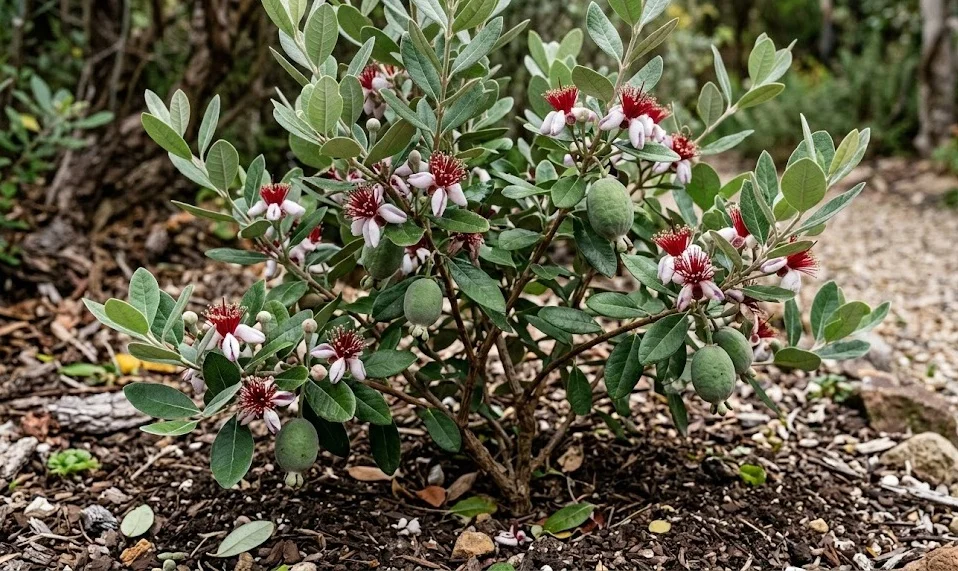

Proper irrigation and fertilization are the twin pillars of productivity when it comes to managing the pineapple guava in a garden or orchard setting. While these plants are known for their ability to survive in challenging conditions, they require consistent support to reach their full potential in terms of fruit size and quality. Understanding the delicate balance between providing enough water and avoiding saturated soil is key to maintaining a healthy root system. Likewise, a targeted approach to nutrition ensures that the shrub has the energy required for its unique flowering and fruiting cycles.
Establishing a watering routine
The initial period after planting is the most critical time for establishing a reliable watering routine that supports root expansion. You should focus on keeping the soil consistently moist but never waterlogged to encourage the young roots to anchor themselves deeply. Water the base of the plant slowly so that the moisture can penetrate the entire depth of the root ball rather than just running off the surface. During the first year, you might need to water two or three times a week depending on the local weather conditions.
As the plant matures, its water requirements will change, but the need for consistency remains a primary factor for fruit development. You should observe the foliage for signs of water stress, such as a dull appearance or slight wilting during the hottest part of the day. A mature pineapple guava has a wide root system, so you should expand the watering area to match the drip line of the shrub’s canopy. Deep, infrequent watering is generally more effective than frequent shallow applications for building a resilient plant.
Soil type significantly influences how often and how much you should irrigate your shrubs throughout the growing season. Sandy soils drain quickly and will require more frequent watering, whereas clay soils hold moisture much longer but are prone to becoming saturated. You can use a soil moisture meter or simply dig down a few inches with your fingers to check the moisture levels before adding more water. Adjusting your routine based on the actual condition of the soil prevents both dehydration and the risks associated with overwatering.
Environmental factors like wind and humidity also play a role in how quickly the plant loses moisture through its leaves. On windy days, the evaporation rate increases significantly, and you may need to provide an extra deep soak to compensate for this loss. Mulching around the base of the plant is an essential strategy for conserving water and keeping the roots cool during the peak of summer. A well-managed irrigation system ensures that the plant has a steady supply of the most basic building block of life.
More articles on this topic
Seasonal irrigation demands
In the spring, as the plant begins its active growth phase, its demand for water increases as it produces new leaves and flowers. You should ensure that the soil remains moist during the blooming period to support the development of the fruit that is just beginning to set. If the plant experiences a significant dry spell during flowering, it may drop its blossoms, which will lead to a poor harvest later in the year. Spring is the time to check your irrigation systems and ensure they are ready for the busier months ahead.
Summer brings the greatest challenge for water management, as high temperatures and long days put the plant under maximum stress. You should aim to water early in the morning or late in the evening to minimize the amount of water lost to evaporation. This is the period when the fruit is growing most rapidly, and any interruption in the water supply can result in smaller or less flavorful fruit. Maintaining a steady moisture level helps prevent the fruit from cracking or falling before it is fully ripe in the autumn.
As autumn approaches and the fruit begins to ripen, you can slightly reduce the frequency of watering if the weather becomes cooler and more humid. However, you should still ensure that the plant does not dry out completely, as this can affect the final texture and sweetness of the harvest. The cooling temperatures naturally reduce the plant’s metabolic rate, but the fruit still needs some moisture to complete its development. After the harvest is finished, you can further taper off the irrigation as the plant prepares for its winter dormancy.
During the winter months, the plant’s water needs are at their lowest, but it is important to remember that it is still an evergreen and continues to lose some moisture. If you live in an area with dry winters or if the ground does not freeze, you should check the soil moisture occasionally and water during long dry spells. Overwatering in winter is a common mistake that can lead to root rot, so only provide water when the top few inches of soil are dry. A mindful approach to winter irrigation ensures that the plant enters the next spring in peak condition.
More articles on this topic
Essential nutrients for productivity
The pineapple guava is a relatively moderate feeder, but it requires a balanced supply of nitrogen, phosphorus, and potassium to thrive. Nitrogen is essential for the lush green foliage and the overall vigor of the shrub’s growth during the early part of the season. Phosphorus supports the development of a strong root system and is vital for the formation of the beautiful and complex flowers. Potassium plays a key role in the final quality of the fruit, influencing its sugar content and its ability to withstand environmental stress.
In addition to the primary nutrients, the plant also benefits from a range of secondary minerals and trace elements like calcium and magnesium. These elements are important for cell wall strength and the photosynthetic processes that occur within the leaves. You should aim to provide a fertilizer that is specifically formulated for fruit-bearing shrubs or Mediterranean plants to ensure all needs are met. Using a slow-release product allows the nutrients to become available gradually, mirroring the natural growth cycle of the plant.
Soil organic matter is the hidden engine of nutrient availability and should be a focus of your fertilization strategy. Regularly adding compost or well-rotted manure to the soil surface improves the nutrient-holding capacity and supports beneficial soil organisms. These organisms break down complex materials into forms that the roots can easily absorb, creating a more sustainable and healthy garden ecosystem. A soil rich in organic matter acts as a buffer, preventing nutrient leaching and keeping the plant well-fed even between fertilizer applications.
The timing of your nutrient applications is just as important as the type of fertilizer you choose to use in your garden. You should avoid heavy fertilization in the late autumn, as this can stimulate soft new growth that is easily damaged by the coming winter frosts. Instead, focus your efforts on the early spring and early summer when the plant is most actively using its resources to grow and produce. This strategic approach ensures that you are supporting the plant when it needs it most while protecting it from unnecessary seasonal risks.
Timing your fertilizer applications
The first application of fertilizer should happen in the early spring, just as the buds begin to show signs of swelling and new life. This initial boost provides the nitrogen needed for the first flush of leaves and the energy required for the upcoming flowering stage. You should spread the fertilizer evenly under the canopy of the shrub, starting a few inches from the trunk and extending to the drip line. Watering the area immediately after application helps move the nutrients down into the root zone where they are most effective.
A second, lighter application in the early summer can help support the plant as it transitions from flowering to fruit development. This mid-season feed ensures that the shrub has enough resources to maintain its growth while also nourishing the young fruit. You should monitor the color and size of the leaves at this time; if they appear pale or small, the plant might benefit from a bit more support. Consistency in nutrition during this active period is one of the secrets to a heavy and high-quality harvest in the autumn.
In regions with long growing seasons, a third application of a low-nitrogen, high-potassium fertilizer can be beneficial in the late summer. This helps improve the final flavor of the fruit and assists the plant in hardening its wood before the arrival of cooler weather. You should always follow the manufacturer’s instructions regarding the amount to use, as over-fertilizing can be more harmful than under-fertilizing. Observation is your best tool for deciding if the plant truly needs additional nutrients at any given point in the season.
Always remember that the goal of fertilization is to supplement what the soil provides naturally rather than to replace it entirely. You should adjust your applications based on the age of the plant, the quality of your soil, and the previous year’s performance. A younger plant will need more focus on structural growth, while a mature shrub will require more support for its reproductive efforts. By tailoring your approach to the specific needs of your pineapple guava, you ensure a long and productive life for the plant.
Correcting common deficiencies
Iron chlorosis is a common issue for this plant, especially when grown in soils that are too alkaline or have poor drainage. This condition is characterized by yellowing leaves with green veins, and it can significantly reduce the vigor of the shrub if left untreated. You can correct this by applying chelated iron to the soil or as a foliar spray to provide immediate relief to the plant. Improving the soil pH with organic matter or sulfur is a more permanent solution for managing iron availability in the long term.
Nitrogen deficiency is often seen as a general yellowing of the older leaves and a noticeable slowdown in the overall growth rate of the plant. If you notice these signs, a quick-acting organic fertilizer can help restore the plant’s green color and stimulate new shoots. You should check the moisture levels as well, as sometimes the plant cannot access nitrogen if the soil is either too dry or too wet. Maintaining a regular feeding schedule is the best way to prevent this common problem from occurring in the first place.
Phosphorus and potassium deficiencies are less common but can manifest as poor fruit set or fruit that lacks flavor and sweetness. If your plants are flowering well but failing to produce fruit, you might need to increase the amount of phosphorus in your fertilization routine. For better fruit quality, ensuring adequate potassium levels during the summer months is essential for the development of sugars and aromatic compounds. A balanced approach to nutrition usually covers all these bases without the need for specialized interventions.
Regular soil testing is the most professional way to identify and correct nutrient imbalances before they manifest as visible symptoms on the plant. By knowing exactly what is in your soil, you can avoid the guesswork and the expense of applying fertilizers that are not needed. You should also consider the overall health of the plant, as sometimes pests or diseases can mimic the signs of nutrient deficiencies. A healthy, well-watered plant is much more efficient at utilizing the nutrients you provide, leading to a more beautiful and productive garden.