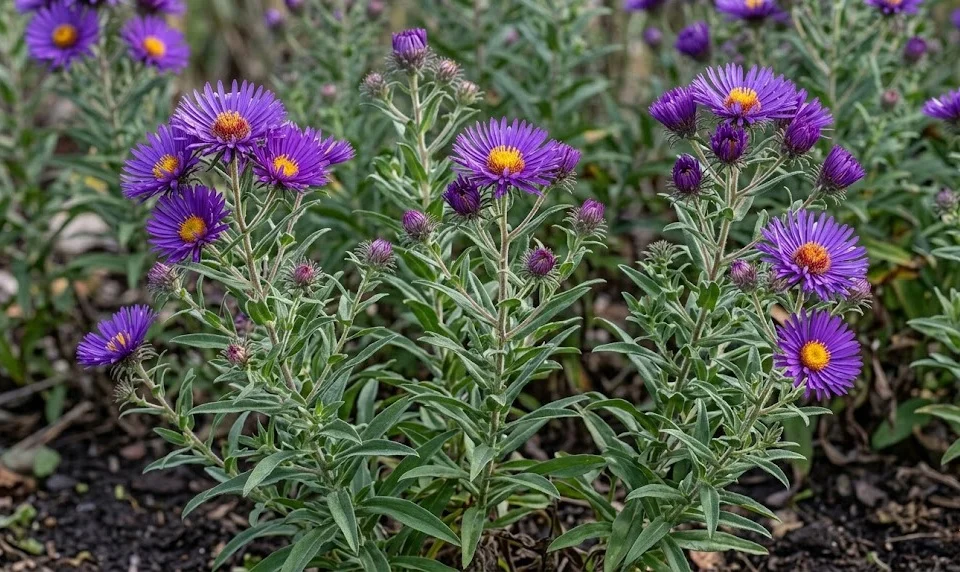

Even the hardiest plants can sometimes fall victim to the various biological challenges found in a diverse garden environment. The New England aster is generally a robust and healthy perennial, but it is not entirely immune to certain diseases and pests. Understanding what to look for and how to manage these issues is a vital skill for any gardener who wants to keep their autumn display looking its best. This guide provides detailed information on the most common problems you might encounter and the most effective ways to address them.
Identifying and managing powdery mildew
Powdery mildew is perhaps the most common fungal disease that affects New England asters, often appearing as a white or gray dusty coating on the leaves. You should start looking for signs of this issue in the mid-to-late summer, especially during periods of high humidity and warm temperatures. While it is often considered an aesthetic problem, a severe infection can weaken the plant by reducing its ability to photosynthesize. The infection typically starts on the lower leaves and can quickly spread upward if left unchecked.
The most effective way to manage powdery mildew is through preventative cultural practices that reduce the stress on the plant. You should ensure that your asters are planted in a location with excellent air circulation and full sun, as stagnant air and shade favor fungal growth. Proper spacing between plants is critical, as it allows the foliage to dry quickly after rain or heavy dew. Watering at the base of the plant rather than from above also helps keep the leaves dry and less hospitable to spores.
If you notice the first signs of mildew, you can try using a simple organic spray to help control its spread. A mixture of water and milk, or a solution of potassium bicarbonate, has been shown to be effective in many garden settings. You should apply these treatments regularly, especially after periods of rain, to maintain their protective qualities. In cases of very high infection pressure, you might need to use a sulfur-based fungicide, but always follow the application instructions carefully.
Choosing mildew-resistant varieties is the best long-term strategy for avoiding this problem altogether. Plant breeders have developed many cultivars specifically for their ability to resist fungal infections even in challenging climates. You should research the different options available and choose those that are known for their clean foliage throughout the entire season. A little bit of planning during the plant selection phase can save you a lot of work and frustration later in the year.
More articles on this topic
Dealing with rust and other leaf spot diseases
Rust is another fungal disease that can occasionally affect New England asters, characterized by small, orange or reddish pustules on the undersides of the leaves. You should inspect your plants regularly, as early detection is the key to preventing a widespread outbreak that can cause premature leaf drop. Like powdery mildew, rust thrives in moist conditions where water sits on the foliage for extended periods. Affected leaves may eventually turn yellow and die, which can detract from the beauty of the floral display.
Managing rust involves many of the same techniques used for other fungal issues, with a strong focus on sanitation and air movement. You should remove and destroy any heavily infected leaves as soon as you see them to reduce the number of spores in the garden. Avoid composting diseased plant material, as many fungal spores can survive the composting process and return to your beds next year. Keeping the ground around the base of the plant free of debris also helps break the disease cycle.
Leaf spot diseases, caused by various fungi or bacteria, can manifest as dark, water-soaked spots that eventually turn brown or black. You should watch for these symptoms during particularly wet springs or summers when the environment is constantly damp. While minor spotting is usually not a threat to the life of the plant, it can lead to significant defoliation if the conditions remain favorable for the pathogen. Improving the drainage of the soil and ensuring the plants have adequate nutrients can help them resist these infections.
In severe cases where leaf spots or rust are recurring every year, you may need to reconsider the location of the plant. If the site is too wet or lacks sufficient light, the plant will always be at a higher risk for disease. Moving the aster to a sunnier, better-drained spot can often solve the problem without the need for chemical interventions. A healthy, well-placed plant is naturally better equipped to fight off the many pathogens that exist in the garden.
More articles on this topic
Managing common insect pests like aphids and mites
Aphids are small, soft-bodied insects that can sometimes congregate on the tender new growth and flower buds of your asters. You should look for clusters of these pests on the stems and the undersides of leaves, where they suck the sap from the plant. This feeding can lead to distorted growth, yellowing leaves, and a sticky substance known as honeydew that can attract ants or lead to sooty mold. Fortunately, aphids are usually easy to manage if caught early before their populations explode.
A strong stream of water from a garden hose is often enough to dislodge aphids and reduce their numbers to a manageable level. You should also encourage natural predators like ladybugs, lacewings, and hoverflies to take up residence in your garden by planting a variety of flowering species. If the infestation is severe, a spray of insecticidal soap or neem oil can be used to control the pests without harming the environment. Always test a small area of the plant first to ensure it does not react negatively to the treatment.
Spider mites are another common pest that can become a problem during hot, dry weather when the plants are under stress. You should look for very fine webbing and a stippled or bronzed appearance on the leaves as indicators of mite activity. Because these pests are so small, they often go unnoticed until the damage is already significant. Keeping the plants well-watered and occasionally rinsing the foliage can help prevent mites from becoming established in the first place.
Occasionally, you might see small caterpillars or beetles feeding on the leaves of your New England asters. In most cases, the damage is minimal and does not require any specific action other than manual removal if you find them. Remember that many butterflies use asters as a nectar source, so it is important to be cautious when using any kind of pesticide. Maintaining a balanced garden ecosystem where predators and prey exist together is the most sustainable way to manage insect pests.
Prevention through garden hygiene and cultural care
Good garden hygiene is one of the most powerful tools you have for preventing both diseases and pest outbreaks. You should make it a habit to clean up fallen leaves and dead stems at the end of the season to remove potential overwintering sites for pathogens and insects. While leaving some debris for wildlife is beneficial, removing diseased material is a necessary exception to protect the health of your perennials. Tools should also be cleaned and sanitized regularly to avoid spreading infections from one plant to another.
Monitoring your plants frequently is the best way to catch potential problems before they become serious. You should take a few minutes each week to walk through your garden and inspect the foliage and stems of your asters. This proactive approach allows you to spot the first signs of mildew, rust, or aphids and take immediate action. The more familiar you are with the healthy appearance of your plants, the easier it will be to notice when something is wrong.
Proper watering and fertilization are also key components of a disease prevention strategy. A plant that is stressed by drought or a lack of nutrients is much more susceptible to being overwhelmed by pests or pathogens. You should strive to provide a stable environment where the plant’s natural defenses can function at their highest level. Think of your care routine as a way to bolster the immune system of your garden, making it more resilient to external threats.
Crop rotation, or in the case of perennials, periodic division and movement, can also help reduce the buildup of soil-borne diseases. If you have a specific spot in your garden where asters always seem to struggle with the same problem, it might be time to plant something else there for a few years. Diversifying your plantings prevents any one pest or disease from becoming dominant in a particular area. A varied and well-cared-for garden is naturally more balanced and healthy.
Organic and chemical treatment options
When cultural practices and prevention are not enough, you may need to turn to specific treatments to save your floral display. You should always start with the least toxic options, such as horticultural oils, insecticidal soaps, or botanical fungicides like neem. These products are generally safer for beneficial insects and the wider environment while still being effective against many common garden issues. Always read the labels carefully and apply the products during the coolest part of the day to avoid damaging the plant.
Synthetic chemicals should only be used as a last resort when a plant’s survival is at stake or the infestation is completely out of control. If you do use a chemical fungicide or insecticide, choose one that is labeled specifically for the problem you are trying to solve. Be aware that many of these products can have unintended consequences for the bees and butterflies that visit your asters. Using targeted treatments rather than broad-spectrum sprays can help minimize these negative impacts.
Home remedies can sometimes be effective for minor issues, but they should be used with a degree of caution. For example, a diluted solution of baking soda can help change the surface pH of the leaves and discourage fungal growth. However, using too much can also damage the delicate tissues of the plant or lead to a buildup of salts in the soil. It is often better to rely on commercially available organic products that have been tested for safety and efficacy.
Ultimately, the goal of managing diseases and pests is to find a balance that allows you to enjoy your garden without becoming a slave to it. Some minor leaf damage or a small population of insects is a normal part of a living ecosystem and usually does not require intervention. By focusing on the overall health of your New England asters, you can ensure they remain a beautiful and vibrant part of your landscape. A resilient garden is one that can handle a few challenges and still thrive.