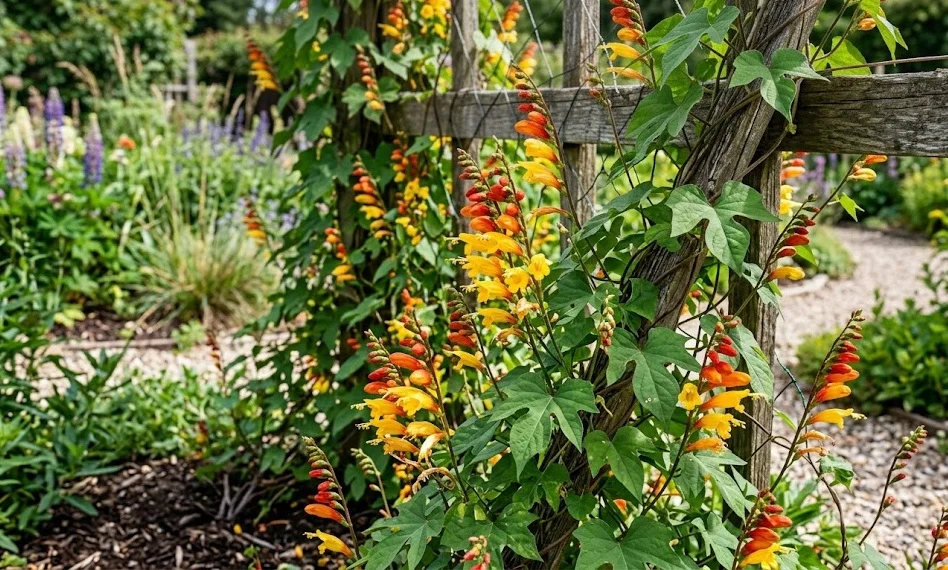

Pruning is a vital management tool for controlling the size, shape, and health of the vigorous Mexican morning glory vine. Because this plant grows with such incredible speed, it can quickly become unmanageable or start to overwhelm its neighbors if left to its own devices. A strategic approach to cutting back helps to maintain a neat appearance and can even promote a more prolific flowering display. Whether you are aiming for a dense screen or a neat specimen, knowing when and how to prune is essential.
The first type of pruning often occurs early in the season when the young vine is just beginning to establish itself on the support. “Pinching” involves removing the very tip of the main growing shoot once the plant has reached a certain height. This process breaks the dominance of the main stem and encourages the plant to branch out from the lower nodes. The result is a much fuller, bushier vine with multiple climbing stems rather than one single, thin strand.
As the growing season progresses, you may find that the vine is heading in a direction that you did not intend. Maintenance pruning involves removing any “wayward” shoots that are growing away from the trellis or into other plants. It is best to address these issues while the stems are still soft and green, as they are much easier to cut and the plant recovers faster. Regular, light pruning throughout the summer is much better for the vine than one massive, stressful cut late in the year.
Deadheading is a specific form of pruning that focuses on removing the spent flower spikes after they have finished their colorful display. While the Mexican morning glory is somewhat self-cleaning, removing the old racemes prevents the plant from putting energy into seed production. This redirected energy can then be used to produce even more flower buds, potentially extending the blooming season. It also keeps the vine looking fresh and tidy, which is important for a professional garden aesthetic.
Rejuvenation and airflow management
In the middle of the summer, a very dense vine can sometimes start to suffer from a lack of air circulation in its interior. This stagnant environment is the perfect breeding ground for various fungal diseases like powdery mildew or rust. Thinning out some of the older or more crowded foliage can help to open up the plant and allow air and light to reach the center. This practice not only improves health but also ensures that more of the flowers are visible rather than hidden behind leaves.
More articles on this topic
If the vine has become completely overgrown and messy, don’t be afraid to perform a more aggressive “rejuvenation” prune. This involves cutting back the most unruly sections to a healthy set of leaves or a strong side branch. The Mexican morning glory is remarkably resilient and will usually respond with a flush of vigorous new growth within a week or two. This can be a great way to “reset” the appearance of the vine if it has been neglected for a period of time.
Always use sharp, clean pruning shears or garden scissors when making any cuts on your plants. Dull blades can crush the stems instead of cutting them, creating jagged wounds that are much more likely to become infected. It is also a professional best practice to disinfect your tools between different plants to prevent the spread of diseases. A simple wipe with rubbing alcohol or a quick dip in a mild bleach solution is all that is required to maintain garden hygiene.
When pruning, always look for the “three Ds”: dead, damaged, or diseased wood, and remove these first. Removing these problematic sections improves the overall appearance and prevents pests and pathogens from gaining a foothold. Once the health-related pruning is done, you can then focus on the more aesthetic aspects of shaping the vine. This logical approach ensures that you are always prioritizing the biological needs of the plant above all else.
End of season cleanup and preparation
As the autumn progresses and the first frosts approach, the role of pruning shifts toward preparing the garden for winter. If you are treating the vine as an annual, you can wait until the frost has killed the foliage before cutting the entire plant down to the ground. Removing all the dead material and disposing of it (rather than composting it if disease was present) helps to keep the garden clean. This prevents the overwintering of many common pests and fungal spores in your soil.
More articles on this topic
For those who are planning to overwinter the plant indoors, a very significant cut-back is usually necessary before moving it. Reducing the size of the vine by half or even more makes it much easier to transport and manage in a limited indoor space. It also reduces the amount of moisture the roots need to provide, which is helpful as the plant transitions to a less-than-ideal indoor environment. Most experts recommend leaving at least a few sets of healthy leaves to help the plant maintain some photosynthesis.
Spring is another important time for pruning, especially for plants that have been overwintered and are starting to grow again. Any weak, spindly, or dead growth that occurred during the winter should be removed to make way for new, strong shoots. This “spring cleaning” helps the plant focus its energy on the most productive parts of its system. It is the final step in the pruning cycle and sets the stage for another season of rapid growth and beautiful flowers.
Ultimately, pruning is as much an art as it is a science, and your technique will improve with each passing year. Pay attention to how your Mexican morning glory responds to different types of cuts and adjust your methods accordingly. Some growers prefer a very natural, wild look, while others want a perfectly manicured display on a formal trellis. Regardless of your style, regular attention to the growth and structure of your vines will lead to a healthier and more impressive garden.