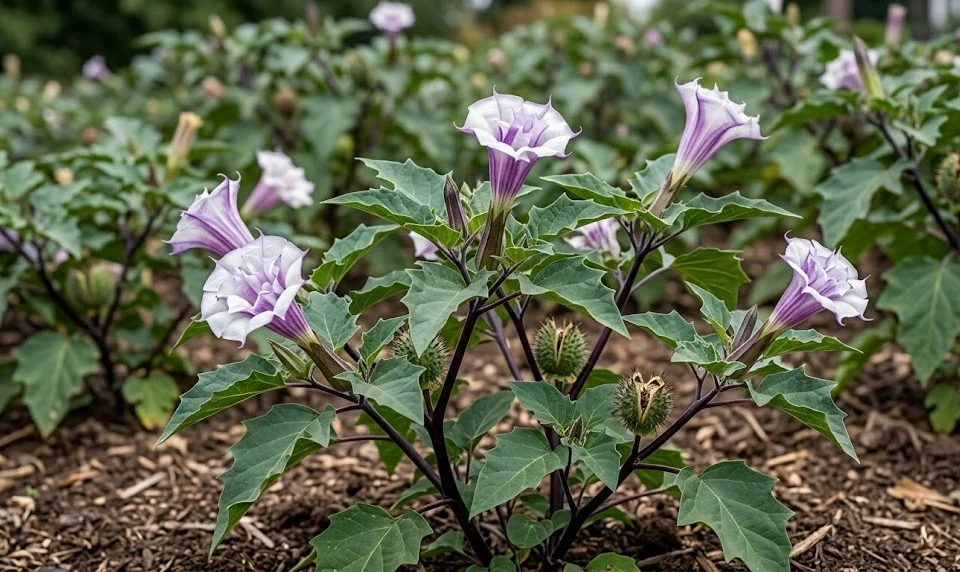

Planting and propagation are the most critical phases in the life cycle of the devil’s trumpet, determining the future health and beauty of the specimen. Successful establishment requires a combination of timing, soil preparation, and a deep understanding of the plant’s tropical origins. Whether you are starting from seed or using vegetative methods, the initial steps you take will dictate how quickly the plant reaches maturity. By following professional standards, you can ensure that your plants develop a robust structure and a prolific flowering habit.
Starting from seed
Sowing seeds is the most common way to begin the journey with this species, but it requires patience and a warm environment. The seeds have a relatively hard outer coating, so soaking them in warm water for twenty-four hours before planting can significantly improve germination rates. You should use a sterile seed-starting mix to prevent any fungal issues that might affect the delicate young sprouts. Place the trays in a bright location with a consistent temperature to encourage steady development during the first few weeks.
The depth at which you sow the seeds is a crucial factor, as they need a bit of coverage but also access to warmth. A depth of about half an inch is usually sufficient to protect the seed while allowing the shoot to reach the surface easily. You must keep the soil consistently moist but never waterlogged, as excess moisture can cause the seeds to rot before they have a chance to sprout. Using a clear plastic cover can help maintain the necessary humidity levels during this initial stage of growth.
Once the seedlings emerge and develop their first set of true leaves, they will need more space and light to continue growing strong. This is the time to thin out the weaker plants and move the healthy ones into individual small pots. You should handle the young plants by their leaves rather than their stems to avoid crushing the delicate transport tissues. Providing a weak liquid fertilizer at this stage will give the seedlings the nutritional boost they need to prepare for life in the garden.
Hardening off the seedlings is a vital step that many beginners overlook, often leading to transplant shock. This process involves gradually exposing the young plants to outdoor conditions over a period of seven to ten days. Start by placing them in a sheltered, shady spot for a few hours and slowly increase their time in the sun and wind. By the time they are ready for permanent planting, they should be sturdy enough to handle the fluctuations of the outdoor environment.
More articles on this topic
Vegetative propagation techniques
Taking cuttings is an excellent way to create exact clones of a particularly beautiful or healthy devil’s trumpet specimen. You should select semi-hardwood stems that are healthy and free from any signs of pests or disease for the best results. A cutting of about four to six inches in length, taken just below a leaf node, provides the best chance for successful rooting. Removing the lower leaves and any flower buds will allow the cutting to focus all its energy on developing a new root system.
Using a rooting hormone can speed up the process and increase the success rate, especially during the cooler parts of the growing season. Place the prepared cuttings into a moist, well-draining medium like perlite or a mix of peat and sand. It is helpful to provide bottom heat if possible, as warm soil encourages faster root development in this tropical species. Keeping the cuttings in a high-humidity environment, such as under a plastic dome, prevents them from wilting before they can take up water.
Rooting can also be achieved by placing the cuttings directly into a glass of clean water, which allows you to monitor the progress of the roots. You should change the water every few days to keep it fresh and prevent the growth of bacteria or algae. Once the roots are at least an inch long, the cutting can be carefully transplanted into a pot with regular soil. This method is often favored by home gardeners because it is simple and requires very little specialized equipment.
The best time to take cuttings is during the late spring or early summer when the plant is in its most active growth phase. Cuttings taken during this time will have enough time to establish themselves before the dormant season arrives in the winter. If you plan to overwinter your plants as small cuttings, ensure they are kept in a bright, frost-free location. This method allows you to save space while ensuring that you have plenty of plants ready for the next garden season.
More articles on this topic
Choosing and preparing the site
Selecting the right location for planting is a decision that will impact the devil’s trumpet for the rest of its life. The site must receive at least six to eight hours of direct sunlight every day to support the plant’s high energy requirements. Protection from strong winds is equally important, as the large leaves can act like sails and cause the plant to tip or break. If you are planting in the ground, ensure the area has excellent drainage to prevent water from pooling around the roots.
Soil preparation should begin several weeks before you intend to put the plants in the ground to allow the amendments to settle. You should dig a hole that is twice as wide as the root ball and enrich the removed soil with organic compost. This creates a soft, nutrient-rich zone that encourages the roots to spread quickly into the surrounding area. Checking the soil pH is also a good idea, as this species prefers a slightly acidic to neutral environment for optimal nutrient uptake.
In addition to fertility and drainage, you must consider the proximity of the plant to walkways and children’s play areas. Because of its toxicity, the devil’s trumpet should be placed where it can be admired from a distance rather than touched frequently. A back-of-the-border position is often ideal, as it provides a tall, dark green backdrop for shorter flowering plants. Thoughtful placement ensures that the plant remains a beautiful asset rather than a safety hazard in your landscape.
If you are planting in containers, the choice of the pot is just as important as the location of the plant itself. Use a large, heavy pot that won’t easily tip over as the plant grows taller and more top-heavy over the summer. Ensure the pot has large drainage holes and use a high-quality potting mix designed for flowering tropical plants. Placing the container on a rolling base can make it easier to move the plant if you need to adjust its light exposure.
Final planting and establishment
The actual act of planting should be done on a cloudy day or in the late afternoon to reduce the stress on the young plant. Carefully remove the plant from its nursery container and gently loosen any roots that have started to circle the bottom. Place the plant in the prepared hole at the same depth it was growing in its pot to prevent any stem issues. Firm the soil gently around the base to remove any large air pockets that could dry out the roots.
Immediately after planting, you must water the area thoroughly to help settle the soil and hydrate the plant. This initial watering is crucial for establishing good contact between the roots and the new soil medium. You might notice some minor wilting during the first few days, which is a normal reaction to the change in environment. Keep the soil consistently moist during the first two weeks as the plant works to establish its new root system.
Applying a layer of organic mulch around the base of the plant will help retain moisture and suppress competing weeds. Keep the mulch a few inches away from the main stem to prevent moisture buildup against the bark, which could lead to rot. As the plant begins to show new growth, it is a sign that the establishment phase has been successful. You can then begin a regular fertilization schedule to support the rapid development that will follow in the coming weeks.
Establishing a devil’s trumpet requires a balance of intervention and patience as the plant finds its footing. During the first month, you should check the plant daily to ensure it is not being attacked by pests or suffering from environmental stress. Early detection of any problems allows you to take corrective action before the plant’s health is significantly compromised. Once the plant is firmly established, it will become much more resilient and begin its impressive journey toward flowering.