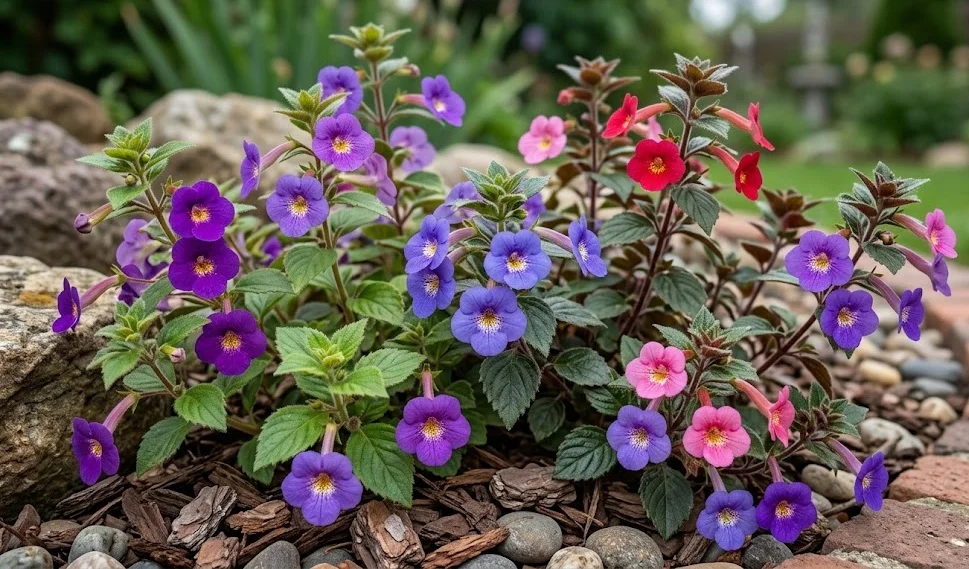

Light is the primary source of energy that drives the spectacular flowering performance of these tropical hybrids. In their natural habitat, they grow under the canopy of larger trees where they receive bright, filtered sunlight throughout the day. Replicating this “dappled” light in a domestic environment is the key to achieving a balanced and healthy specimen. Too little light will result in weak, leggy stems, while too much direct sun can be physically damaging.
The ideal placement for these plants is typically an east or west-facing window where they receive several hours of soft light. An east-facing spot provides the gentle morning sun, which is rarely intense enough to cause leaf scorch or heat stress. This early-day energy boost helps the plant jumpstart its metabolic processes after the cooler night hours. Observing how the light moves through your home during the day will help you find the most productive location.
During the peak of summer, the midday sun in a south-facing window can be far too powerful for the sensitive foliage. If you must use a southern exposure, it is advisable to place the plant behind a sheer curtain to diffuse the rays. This filter mimics the natural protection provided by forest foliage and prevents the leaves from becoming bleached or brittle. Professional growers often use light meters to ensure their plants are receiving exactly the right amount of illumination.
The duration of light exposure, often referred to as the photoperiod, also plays a significant role in flower induction. Most varieties require at least twelve to fourteen hours of bright light to produce a maximum number of buds. If your home is naturally dark, you may find that the plants grow slowly and produce only a few scattered blossoms. Understanding the relationship between light quantity and floral quality is essential for any serious gardening enthusiast.
Identifying and correcting light-related stress
The plant itself is an excellent communicator when it comes to its environmental needs and preferences. If the stems are growing unusually long and leaning heavily toward the glass, the plant is likely light-starved. This “stretching” behavior, known as etiolation, is an attempt by the plant to find a better energy source. Moving the pot to a brighter location or providing supplemental lighting will quickly correct this architectural issue.
More articles on this topic
Conversely, leaves that turn pale yellow or develop dry, brown patches may be suffering from excessive solar radiation. This is often accompanied by a general wilting of the plant even when the soil is adequately moist. High light levels can also cause the flowers to fade prematurely and lose their vibrant color saturation. Adjusting the distance between the plant and the window is a simple way to fine-tune the intensity of the light.
The thickness and texture of the leaves are also influenced by the amount of light the plant receives during development. Plants grown in slightly lower light often produce larger, thinner leaves to maximize their surface area for photosynthesis. Those in brighter conditions tend to have smaller, thicker, and more compact foliage that is better equipped to handle transpiration. Finding the “sweet spot” between these two extremes results in the most aesthetically pleasing and resilient plant.
Regularly rotating your pots is a professional technique that ensures the light is distributed evenly across the entire plant. Without rotation, the side facing the window will become dense and lush, while the back remains sparse and weak. A quarter-turn every few days is all it takes to maintain a symmetrical and professional-looking display. This simple habit prevents the plant from becoming lopsided and ensures that every stem has a chance to produce flowers.
Supplemental lighting for indoor environments
In homes with limited natural light, or during the early spring months, artificial lighting can be a valuable tool. Modern LED grow lights are highly efficient and can provide the specific spectrum of light needed for both growth and flowering. These lights produce very little heat, which is a major advantage when working with sensitive tropical foliage. Setting your lights on a timer ensures that your plants receive a consistent and reliable photoperiod every day.
More articles on this topic
When using artificial lights, the distance between the source and the plant is a critical factor to manage. Placing the lights too far away will significantly reduce their effectiveness, as light intensity drops off rapidly with distance. Conversely, having them too close can lead to localized heat buildup and potential leaf damage. Most experts suggest a distance of twenty to thirty centimeters for standard grow lights to achieve the best results.
The color spectrum of the light also matters; blue wavelengths support vegetative growth, while red ones encourage flowering. Many professional grow lights offer a “full spectrum” output that covers all the needs of the plant throughout its life cycle. Using these tools allows you to grow spectacular specimens even in a basement or a room with no windows at all. Technology has made it possible for anyone to master the light requirements of these beautiful tropical hybrids.
Even with the best artificial lighting, a few hours of natural light can still provide benefits that are hard to replicate. If possible, try to give your plants at least some exposure to real sunlight during the day. The complex interaction of different light wavelengths found in nature supports the overall resilience and vigor of the plant. A combination of natural and supplemental light is often the most effective strategy for the dedicated indoor gardener.
Seasonal light adjustments and transitions
As the seasons change, the angle and intensity of the sun entering your home will naturally fluctuate. A window that was perfect in the spring may become dangerously hot in July or too dark in late September. Being proactive about these shifts allows you to keep your plants in their optimal light zone all year round. Many growers find themselves moving their collection several times as the year progresses to maintain consistency.
The transition from the dark winter storage to the bright spring growth is a sensitive time for the emerging shoots. Gradually increasing the light levels prevents the young tissues from being overwhelmed by a sudden surge of energy. Start with a few hours of indirect light and increase the exposure over the course of a week or two. This hardening-off process ensures that the first leaves are strong and well-adapted to their new environment.
In the late summer, as the day length begins to decrease, the plant will naturally start to slow its growth. This is a signal that the dormancy period is approaching and the plant’s light needs are changing. You do not need to provide supplemental light during this time, as the plant needs to follow its natural biological clock. Reducing light exposure in tandem with decreasing water helps the plant transition smoothly into its resting phase.
Mastering the light requirements of these plants is an ongoing process of observation, adjustment, and learning. Every home has its own unique lighting conditions, and what works for one grower may not work for another. By paying close attention to the health and behavior of your plants, you can develop a deep understanding of their needs. This expert-level knowledge is the foundation of a successful and beautiful tropical garden.