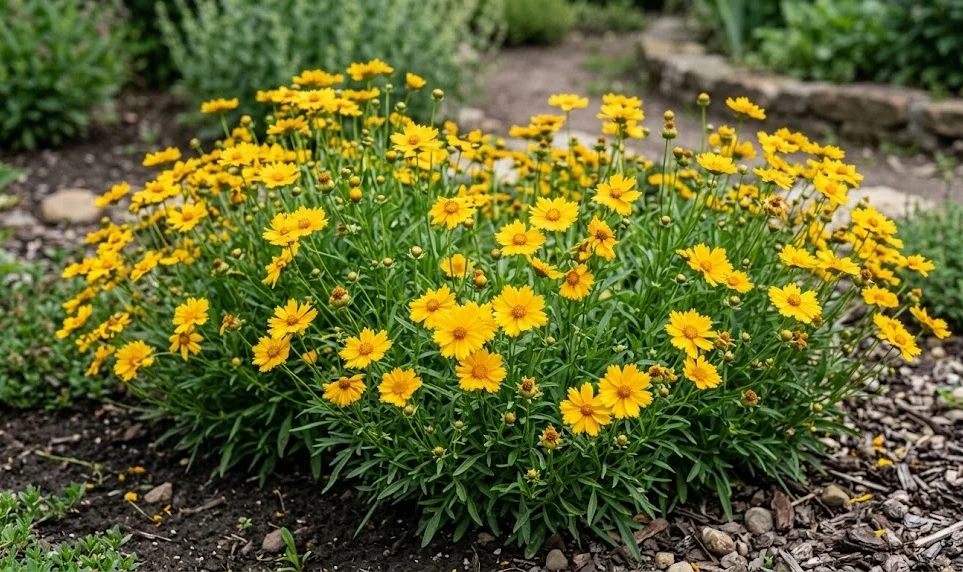

The care of tickseed is a rewarding journey that transforms any garden into a vibrant landscape of gold and bronze hues. These perennials are celebrated for their resilience and ability to thrive in various conditions with minimal intervention from the gardener. Understanding the specific needs of these plants allows you to maximize their blooming potential and ensure they return year after year. By following professional standards, you can maintain a healthy environment that supports both the plant and the surrounding ecosystem.
Fundamental maintenance principles
Maintaining a healthy garden starts with understanding the natural rhythm of your plants throughout the seasons. Tickseed is known for its hardiness, but it still requires a watchful eye to prevent common issues such as overcrowding or nutrient depletion. You should regularly inspect the foliage for any signs of stress, such as yellowing leaves or stunted growth, which often indicates a need for adjustment in care. Consistency in your maintenance routine will yield the most impressive results and keep your garden looking professional and polished.
The environment in which these flowers grow plays a crucial role in their overall vitality and longevity. Soil structure should be loose and well-aerated to allow roots to expand freely and absorb necessary minerals without resistance. While tickseed is adaptable, avoiding compacted soil is essential for preventing root rot and other moisture-related problems. Gardeners who take the time to prepare the earth correctly will find that their plants require far less corrective care later in the season.
Managing the space around your plants is another vital aspect of professional garden maintenance. You should ensure that there is enough air circulation between individual plants to reduce the risk of humidity-induced diseases. Proper spacing not only helps in disease prevention but also allows each plant to receive its fair share of sunlight and soil nutrients. Overcrowded beds can lead to competition that weakens the entire colony, making them more susceptible to environmental stressors.
Observation is perhaps the most powerful tool in a gardener’s arsenal when it comes to long-term success. Spending a few minutes each day walking through your garden helps you catch minor issues before they escalate into significant problems. You might notice early signs of pest activity or a slight wilt that indicates a shift in the local microclimate. Being proactive rather than reactive is the hallmark of a skilled horticulturalist who values the health of their landscape.
More articles on this topic
Soil quality and preparation
The foundation of any successful tickseed display lies in the quality and composition of the soil used for planting. These plants typically prefer a soil that is not overly rich, as too many nutrients can actually lead to excessive foliage growth at the expense of flowers. A well-balanced loam that offers excellent drainage is the ideal medium for most varieties found in modern landscapes. You should avoid heavy clay soils that retain too much water, as this can lead to the demise of the root system during wet periods.
Testing your soil pH is a professional step that shouldn’t be overlooked if you want the best possible results. Tickseed generally thrives in a neutral to slightly alkaline environment, though it is quite tolerant of minor variations. If your soil is excessively acidic, adding a small amount of garden lime can help bring it into the preferred range for these specific perennials. Understanding the chemistry of your ground allows you to make informed decisions that directly impact the health of your floral display.
Organic matter can be beneficial, but it should be used judiciously to avoid creating an environment that is too fertile. A light layer of compost mixed into the topsoil during the early spring can provide a slow-release source of energy for the growing season. This approach mimics the natural decomposition process found in the wild habitats where these plants originated. Professional gardeners often prefer this subtle method of enrichment over harsh synthetic alternatives that can disrupt soil microbiology.
Drainage remains the most critical factor when considering the soil environment for your tickseed collection. If you find that water pools in your garden after a heavy rain, you may need to amend the area with sand or fine gravel to improve percolation. Creating a slightly raised bed is another effective strategy for ensuring that the roots remain above the water table during exceptionally wet seasons. These structural improvements provide a permanent solution that benefits the plants for their entire lifespan.
More articles on this topic
Managing the growth habit
Tickseed has a tendency to spread and form dense mats over time, which requires active management to keep the garden looking neat. Without intervention, some varieties can become somewhat aggressive and may start to encroach on neighboring plants. You should plan your garden layout with this expansion in mind, giving each plant enough room to reach its full mature width. Periodically checking the perimeter of your planting area will help you maintain the desired boundaries for your floral arrangements.
Division is a necessary task that should be performed every few years to maintain the vigor of the parent plant. As the center of the clump becomes older and more woody, the flowering performance often begins to decline significantly. By lifting the plant and separating the younger, outer sections, you can rejuvenate the entire colony and create new plants for other areas. This process is best handled in the early spring or late fall when the plant is not actively blooming.
Staking is rarely required for the shorter varieties, but taller types may need some support in wind-exposed locations. If you notice your plants beginning to flop over after a rainstorm, it might be time to introduce discreet support structures. Professional gardeners often use brushwood or thin bamboo stakes that blend into the foliage to maintain a natural appearance. Keeping the stems upright ensures that the flowers are displayed prominently and reduces the risk of soil-borne diseases affecting the leaves.
The overall shape of the plant can be influenced by how you handle the early growth stages in the spring. Some gardeners prefer to pinch back the stems early in the season to encourage a bushier, more compact growth habit. This technique results in a greater number of flower buds, even if the individual flowers are slightly smaller than usual. Experimenting with these methods allows you to tailor the appearance of your tickseed to fit the specific aesthetic of your garden.
Seasonal care routines
Spring marks the beginning of the active care cycle, where the primary focus is on cleaning up debris and preparing for new growth. You should remove any dead stems from the previous year to make way for the emerging green shoots. Applying a fresh layer of light mulch at this stage helps to regulate soil temperature and suppress early-season weeds. This initial burst of activity sets the stage for a productive and healthy growing season that will peak in the summer months.
Summer is the time when tickseed truly shines, requiring consistent attention to deadheading to prolong the blooming period. Removing spent flowers prevents the plant from putting its energy into seed production, which encourages the formation of new buds. You will find that a well-maintained plant can continue to produce flowers well into the late summer or even early autumn. This constant cycle of renewal keeps the garden looking fresh and vibrant during the hottest part of the year.
As autumn approaches, the care routine shifts toward preparing the plants for the upcoming dormant period. You can allow some of the final flowers to go to seed if you wish to provide food for local bird populations during the winter. This natural approach adds an ecological dimension to your gardening practices while also simplifying your end-of-season tasks. However, if you prefer a tidy look, cutting the plants back slightly can prevent them from looking ragged during the transition to winter.
Winter care is largely hands-off, but it is important to ensure that the crowns of the plants are protected from extreme conditions. In regions with very cold temperatures, a protective layer of evergreen boughs or straw can offer the necessary insulation. You should avoid heavy mulches that might trap too much moisture around the dormant roots, as this can lead to rot. Observing how your specific varieties handle the winter will help you refine your protection strategy for future years.
Tools and techniques for success
Using the right tools makes the task of caring for tickseed much more efficient and enjoyable for the gardener. High-quality hand pruners are essential for clean cuts when deadheading or removing damaged stems throughout the season. You should ensure that your blades are sharp and sanitized to prevent the spread of pathogens between different plants. Investing in durable tools pays off in the long run by providing better results and reducing the physical strain of garden chores.
Watering cans with a fine rose attachment are ideal for delivering moisture directly to the base of the plant without wetting the foliage. While larger gardens might require hoses or irrigation systems, the precision of a watering can is perfect for targeted care. Avoiding overhead watering whenever possible is a professional tip that helps keep the leaves dry and disease-free. This simple adjustment in technique can make a significant difference in the overall health and appearance of your tickseed.
Garden forks and spades are necessary for the periodic task of dividing older clumps to maintain their vitality. A sharp spade allows you to cut through the root mass cleanly, which minimizes the stress on the plant during the division process. You should always aim to keep as much of the root system intact as possible when moving or separating your perennials. Handling the plants with care during these transitions ensures they recover quickly and continue to thrive in their new locations.
Protective gear, such as gloves and long sleeves, is recommended when working in dense garden beds to avoid skin irritation. While tickseed is generally safe to handle, some people may have sensitivities to the sap or fine hairs on certain varieties. Wearing the appropriate clothing also protects you from insects or other environmental factors while you focus on your gardening tasks. Staying comfortable and safe allows you to spend more time enjoying the process of nurturing your outdoor space.
Enhancing the floral display
The visual impact of tickseed can be greatly enhanced by choosing the right companion plants that complement its color and texture. Professional designers often pair the bright yellow flowers with blue or purple perennials like salvia or lavender for a striking contrast. Consider the height and spread of each plant to create a layered effect that provides visual interest at different levels. This thoughtful approach to garden design elevates the overall aesthetic and creates a more professional look.
Color coordination within the tickseed family itself can also lead to beautiful and harmonious garden beds. You can mix different varieties with varying shades of orange, yellow, and red to create a warm and inviting palette. Pay attention to the blooming times of each variety to ensure a continuous display of color throughout the entire summer season. Using a mix of single and double-flowering types adds another layer of texture and complexity to your floral arrangements.
The placement of tickseed in the landscape should take advantage of its natural ability to catch the sunlight and glow. Large drifts of these flowers create a much more significant impact than isolated plants scattered throughout the garden. You can use them to define borders, fill in gaps in perennial beds, or even create a dedicated meadow-style planting area. Understanding the scale of your garden allows you to use these versatile plants to their full potential as a design element.
Finally, consider the role of fragrance and pollinator attraction when planning your tickseed display. Many varieties offer a subtle scent that adds another sensory layer to the garden experience for those walking nearby. They are also highly attractive to bees, butterflies, and other beneficial insects, making your garden a hub of ecological activity. By creating a space that supports local wildlife, you contribute to the health of the broader environment while enjoying a beautiful landscape.
Long-term garden health
Sustainable gardening practices are key to ensuring that your tickseed remains a fixture in your landscape for many years. You should prioritize natural methods of pest and disease control to maintain a healthy balance in your local ecosystem. Avoiding excessive use of chemicals helps preserve the beneficial organisms that live in your soil and protect your plants. This holistic approach results in a more resilient garden that can better withstand environmental challenges and climate fluctuations.
Rotation and revitalization of planting areas can help prevent the buildup of soil-borne pathogens over time. If you notice a decline in the health of your tickseed despite proper care, it might be beneficial to move them to a new location. This practice allows the soil in the previous area to recover and break the cycle of any localized pests or diseases. Keeping your garden layout dynamic is a professional strategy that promotes long-term vitality for all your perennial selections.
Documentation is a useful habit for any serious gardener who wants to track the progress and performance of their plants. Keeping a simple journal of planting dates, bloom times, and any issues encountered helps you make better decisions in the future. You can note which varieties performed best in your specific soil and climate conditions, allowing you to refine your selection over time. This record-keeping transforms gardening from a series of guesses into a more scientific and successful endeavor.
Sharing your knowledge and even your divided plants with others in the gardening community is a wonderful way to celebrate your success. Tickseed is an excellent plant for sharing because it is easy to propagate and adapts well to new environments. Engaging with fellow enthusiasts allows you to exchange tips and discover new varieties that you might want to try in your own garden. Building a community around your passion for horticulture adds a social and rewarding dimension to the work of a gardener.