
Determining the ideal light conditions for bearskin fescue is essential for maintaining its compact, cushion-like form and vivid green color. This ornamental grass is remarkably versatile but has specific preferences that dictate how it develops in various landscape settings. While it is often categorized as a sun-loving species, its performance can vary significantly depending on the intensity of the light and the local climate. Understanding these nuances allows you to place the plant where it will truly flourish rather than just survive.
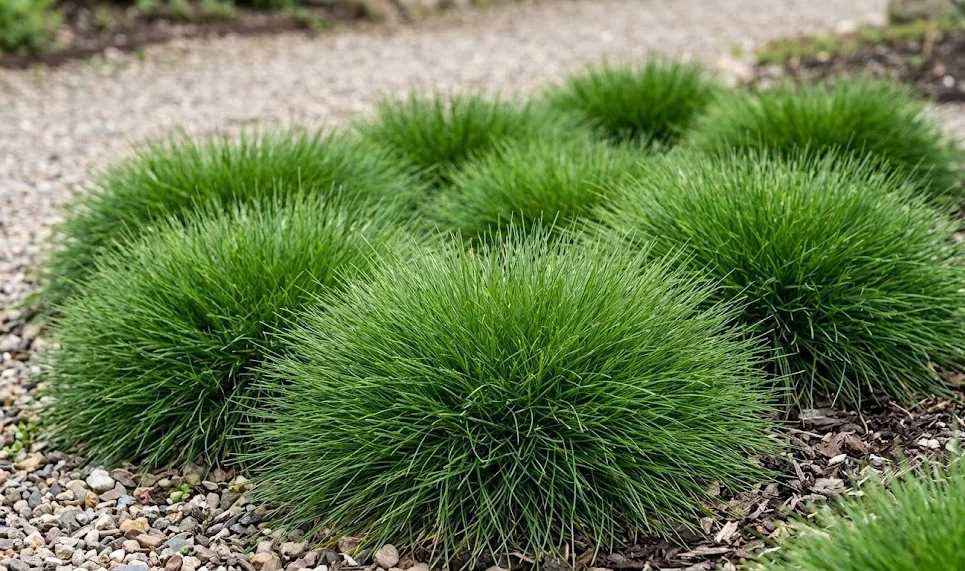
In most temperate climates, bearskin fescue performs best when planted in full sun, which typically means at least six to eight hours of direct light per day. This high level of light ensures that the plant remains dense and maintains its characteristic rounded shape. Without enough sun, the grass may become “leggy” as it reaches for the light, losing the tight architectural appeal that makes it so popular. Sunlight also helps to keep the foliage dry, which is a major factor in preventing fungal diseases. A sun-drenched rock garden is the natural home for this species.
However, the definition of “full sun” can change depending on your geographic location and the time of year. In regions with extremely hot, scorching summers, the afternoon sun can be too intense even for this hardy grass. In such cases, the plant may benefit from a bit of light shade during the hottest part of the day to prevent the foliage from bleaching or burning. This is especially true if the plant is growing near reflective surfaces like white walls or light-colored stone. Balancing light intensity with temperature is a hallmark of professional garden planning.
If you are planting bearskin fescue in a part-shade environment, you must be prepared for a slightly different growth habit. While it will tolerate lower light levels, the plant will grow more slowly and may not achieve the same level of density as a sun-grown specimen. It is important to ensure that even in partial shade, the plant still receives several hours of bright, indirect light. You should also be extra vigilant about drainage and air circulation in shadier spots, as moisture takes longer to evaporate. Selecting the right light environment is the foundation of a healthy garden.
Signs of light-related stress
Recognizing when your bearskin fescue is unhappy with its light levels is crucial for making timely adjustments. A plant that is receiving too much intense sun without enough moisture will often show signs of “sunscald,” where the needle tips turn white or straw-colored. This is essentially a sunburn for the plant and indicates that it is struggling to keep itself cool. You can mitigate this by providing more frequent watering during heatwaves or by adding a temporary shade structure. Over time, you might decide to move the plant to a slightly more protected location.
More articles on this topic
Conversely, a plant that is struggling with too much shade will exhibit a very different set of symptoms. The most obvious sign is a loss of the tight, mounded shape, as the individual blades of grass grow longer and more spaced out. The center of the cushion may also become thin or begin to die back because it isn’t receiving enough energy to sustain the entire plant. If your fescue looks “floppy” or sparse, it is likely a cry for more light. Moving the plant to a sunnier spot is usually the only way to restore its natural beauty.
Light also plays a significant role in the coloration of the bearskin fescue throughout the year. In ideal light conditions, the grass will maintain a deep, emerald green that looks vibrant even in the middle of winter. In low-light settings, the color may become a paler, yellowish-green that lacks the same visual impact. This change in color is often one of the first indicators that the plant’s photosynthetic needs are not being fully met. Monitoring the hue of your grasses can help you identify light issues before they affect the plant’s overall structure.
Seasonal changes in the sun’s path can also create unexpected light stress for your ornamental grasses. A spot that is in full sun during the summer might be in deep shade during the winter when the sun is lower in the sky and blocked by buildings or evergreen trees. While the plant is dormant in winter, it still benefits from some light to maintain its evergreen status. You should observe your garden’s light patterns throughout the entire year to ensure your planting locations are truly suitable. A professional gardener always thinks several months ahead.
Optimizing light in the garden
You can manipulate the light levels in your garden through clever landscaping techniques to create the perfect environment for bearskin fescue. For example, if you have a spot that is just a bit too shady, you can prune back overhanging tree branches to let more sunlight filter through. Alternatively, placing light-colored gravel around the base of the plant can reflect a bit of extra light onto the lower foliage. These small adjustments can make a significant difference in the vitality of the plant. Designing the light environment is just as important as designing the soil.
More articles on this topic
Companion planting is another way to manage the light exposure of your low-growing grasses. By planting taller, airy perennials nearby, you can provide “dappled” shade that protects the fescue from the harshest afternoon sun while still allowing plenty of light to reach it. Just be careful not to use plants that are too aggressive or that will completely overshadow the fescue as they grow. The goal is to create a multi-layered garden where each species supports the others. This ecological approach leads to a more resilient and beautiful landscape.
If you are growing bearskin fescue in containers, you have the ultimate flexibility to manage its light requirements. You can move the pots around the patio or garden to follow the sun as the seasons change, ensuring the plants always have the optimal exposure. This is a great way to experiment with different locations before committing to a permanent planting in the ground. Just remember that plants in pots can heat up more quickly than those in the earth, so monitor their moisture levels closely. Containers allow for a more dynamic and responsive gardening style.
Ultimately, the best light for bearskin fescue is one that is consistent and matches the plant’s natural evolutionary history. This grass evolved in open, rocky areas where it was exposed to plenty of sky and moving air. By replicating these conditions in your garden, you set the stage for a plant that is strong, healthy, and visually stunning. Whether you have a sun-drenched terrace or a partially shaded border, there is usually a way to make this grass thrive. Expert light management is the key to unlocking the full potential of your ornamental landscape.