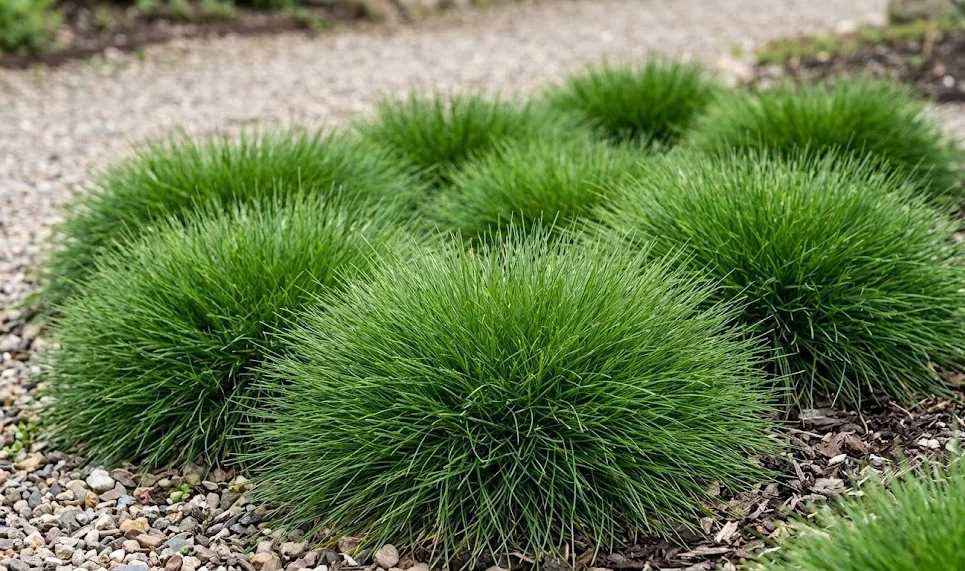

While bearskin fescue is a remarkably hardy and resilient species, it is not entirely immune to the challenges of diseases and pests. Most issues that arise are the result of environmental stress, particularly excessive moisture or poor air circulation within the garden. By understanding the common threats and their symptoms, you can take proactive steps to protect your ornamental grasses. A healthy plant is its own best defense, but sometimes a little expert intervention is necessary to keep your garden in peak condition.
The most frequent disease encountered with bearskin fescue is root rot, which is almost always caused by waterlogged soil conditions. This fungal pathogen attacks the root system, preventing the plant from taking up water and nutrients effectively. You might notice the plant becoming soft, discolored, or even collapsing entirely from the center outwards. To prevent this, you must ensure your soil has excellent drainage and avoid over-watering, especially in heavy clay soils. If root rot is detected early, improving the drainage may save the plant, but advanced cases are often fatal.
Fungal rust is another potential issue that can affect the aesthetic and health of the needle-like foliage. Rust appears as small, orange or reddish-brown pustules on the blades of the grass, often during periods of high humidity. While it rarely kills the plant, it can significantly weaken it and cause the foliage to look unsightly. You can manage rust by ensuring there is plenty of space between plants for air to circulate freely. Avoiding overhead watering that keeps the leaves damp for long periods is also a key preventative measure.
Powdery mildew can occasionally appear on bearskin fescue if the conditions are right—usually a mix of warm days and cool, damp nights. This manifests as a white, flour-like coating on the leaves, which can interfere with photosynthesis if it becomes widespread. Improving the light levels and reducing the density of the surrounding vegetation can often solve the problem naturally. In severe cases, a gentle organic fungicide can be used to keep the infection under control. Keeping the plants as dry as possible during the evening is the best way to keep mildew at bay.
Common insect pests
Aphids are among the most common insects that might take an interest in your bearskin fescue, particularly the tender new growth in spring. These tiny, sap-sucking pests can cause the needles to become distorted or yellowed over time. They also produce a sticky substance called honeydew, which can attract ants or lead to the growth of sooty mold. You can usually manage a small aphid population by simply blasting them off the plant with a strong stream of water. For larger infestations, insecticidal soap is a safe and effective treatment that doesn’t harm the environment.
More articles on this topic
Spider mites are a threat during the hot, dry months of summer when the plant might already be under some heat stress. These microscopic pests spin fine webs between the needles and suck the life out of the individual blades, leading to a stippled or bronzed appearance. Because they thrive in dusty, dry conditions, keeping the area around the plants clean can help deter them. Increasing the humidity slightly around the plant during a heatwave can also make the environment less hospitable for mites. If necessary, a specialized miticide can be applied to protect the foliage.
Soil-dwelling larvae, such as grubs, can sometimes damage the root system of your ornamental grasses from below. If a healthy-looking cushion suddenly begins to die for no apparent reason, you might want to check the soil for these pests. Grubs chew on the roots, which can make the plant easy to pull out of the ground because it is no longer anchored. Beneficial nematodes are a fantastic biological control for managing these larvae without using harsh chemicals. Encouraging birds in your garden can also help, as many species enjoy feeding on these soil-bound insects.
Slugs and snails are less of a threat to the tough needles of the bearskin fescue than they are to softer plants, but they can still cause issues. They may hide under the dense cushions during the day and feed on nearby plants or the occasional tender shoot. Their presence is usually marked by silver slime trails left across the foliage or the surrounding soil. You can manage them by keeping the area free of excess organic debris where they like to hide. Using organic slug pellets or beer traps can also help keep their numbers in check without harming pets or wildlife.
Environmental and physiological disorders
Not every problem with bearskin fescue is caused by a living organism; sometimes the environment itself is the culprit. Winter desiccation occurs when the cold winds dry out the foliage while the ground is frozen, preventing the roots from replacing the lost moisture. This leads to brown, “burned” looking tips on the needles once the spring thaw begins. You can protect your plants from this by providing a windbreak or ensuring they are well-hydrated before the first hard freeze. Usually, the plant will grow out of this damage as the new season progresses.
More articles on this topic
Nutrient toxicity or deficiency can also lead to symptoms that look like a disease but are actually chemical in nature. For example, too much salt from winter road treatments can cause the edges of the grass to turn brown and die back. Similarly, a lack of certain trace minerals can cause the foliage to lose its deep green luster and appear sickly. Testing your soil is the only way to know for sure if a problem is nutritional or pathological. Correcting the soil balance is often the simplest way to restore the plant’s health.
Heat stress can cause the bearskin fescue to go into a semi-dormant state during the peak of a scorching summer. The plant may lose its vibrancy and look somewhat “tired,” which is a natural defense mechanism to conserve energy. This is not a disease, but rather a response to extreme conditions that should be respected by the gardener. During these times, do not try to “fix” the plant with fertilizer, as this will only increase the stress. Instead, provide a little extra shade or a deep watering during the coolest part of the day.
Mechanical damage from lawnmowers, string trimmers, or foot traffic can create wounds that serve as entry points for pathogens. A crushed or torn needle is much more susceptible to fungal infection than a healthy, intact one. You should be careful when working around your fescue cushions to avoid accidental injury to the plant. If a plant does get damaged, you can trim away the affected area with sharp, clean shears to encourage clean healing. Maintaining a “buffer zone” around your ornamental grasses is a smart way to prevent these issues.
Integrated pest management strategies
Integrated Pest Management (IPM) is a professional approach that focuses on long-term prevention and minimal chemical use. The first step is always regular monitoring to catch any potential issues while they are still small and manageable. By knowing what “normal” looks like for your bearskin fescue, you can quickly spot the first signs of trouble. This allows you to use the least invasive methods first, such as manual removal or cultural adjustments. IPM is about working with nature rather than trying to dominate it with chemicals.
Encouraging natural predators is one of the most effective ways to keep pest populations under control without your constant intervention. Ladybugs, lacewings, and predatory mites are all great allies in the fight against aphids and other small pests. You can attract these “good bugs” by planting a variety of flowering plants that provide them with nectar and habitat. A diverse garden is a balanced garden, where no single pest is likely to cause catastrophic damage. This ecological approach is both sustainable and highly effective for the modern gardener.
Sanitation is another critical pillar of a successful pest and disease management plan. You should always clean your gardening tools with a disinfectant before moving from one plant to another to prevent the spread of pathogens. Removing dead foliage and fallen leaves from the base of the fescue reduces the hiding spots for pests and the breeding grounds for fungi. If you do have a diseased plant, dispose of the material in the trash rather than the compost pile. Good hygiene in the garden is just as important as it is in the home.
When intervention is absolutely necessary, always opt for the most targeted and environmentally friendly products available. Neem oil, for example, is a versatile organic treatment that works against both certain pests and fungal issues. Always follow the label instructions carefully and apply treatments during the coolest part of the day to avoid leaf burn. It is also important to target only the affected plants rather than spraying the entire garden. This surgical approach protects the beneficial insects that are helping you maintain the balance.
Restoring health after an issue
Once a pest or disease problem has been addressed, the focus shifts to helping the bearskin fescue recover its vigor. You should provide the plant with optimal growing conditions, including the right amount of light and perfectly drained soil. Avoid the temptation to over-water or over-fertilize a recovering plant, as this can lead to further stress. Gentle care and patience are your best tools during the recovery phase. Over time, the plant will fill in any gaps and regain its iconic cushion shape.
If a plant has been severely thinned by a disease, you might consider a light pruning to remove the dead material and stimulate new growth. Use sharp, sterilized shears to cut back only the brown or damaged sections, being careful not to cut into the crown. This opens up the center of the plant to more light and air, which is essential for healthy regrowth. You will often see new green shoots appearing within a few weeks of this “cleaning” process. Rejuvenation is a slow but rewarding process that preserves your garden investment.
In some cases, the best course of action for a heavily diseased plant is to remove it entirely to protect the rest of your collection. If a plant has a systemic infection like advanced root rot, it can serve as a reservoir for pathogens that might spread to healthy neighbors. Dig up the affected plant along with a generous amount of the surrounding soil and dispose of it properly. You should then wait a season or treat the soil before planting another fescue in the same spot. Knowing when to let go is an important part of professional garden management.
Finally, take every issue as a learning opportunity to improve your gardening practices for the future. If a particular area of your garden consistently has fungal problems, it may be a sign that the drainage or air circulation needs a permanent fix. By making these structural adjustments, you create a more resilient landscape that requires less intervention over time. The goal is to build a garden where the plants can truly thrive with minimal help from you. Expert gardening is a journey of constant observation and refinement.