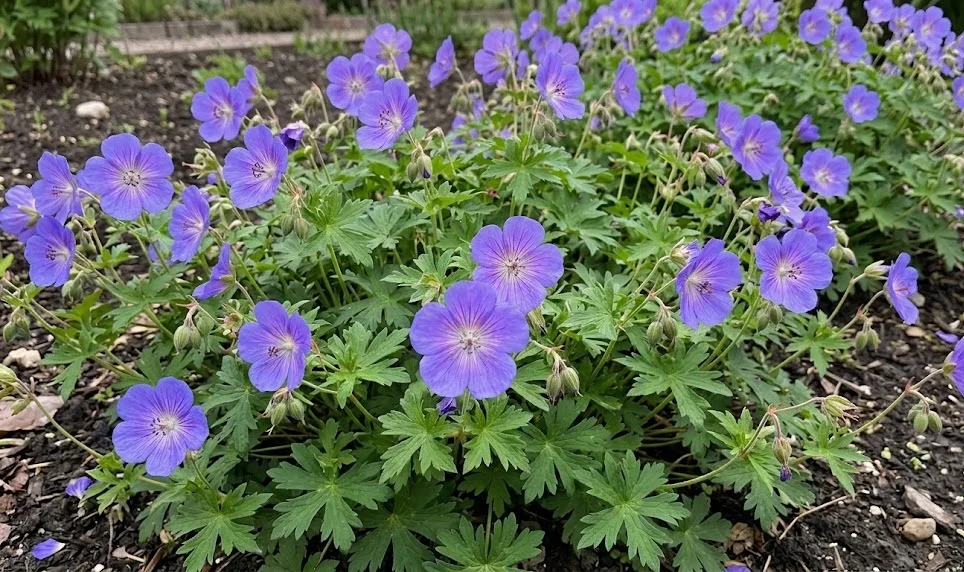

Managing the water and nutrient levels for Himalayan cranesbill is a delicate balancing act that directly impacts its ornamental quality. While this species is quite rugged, its ability to produce a lush carpet of leaves and vibrant blue flowers depends on consistent care. Understanding when to intervene and when to let nature take its course is a hallmark of an expert gardener. This guide focuses on the professional methods for keeping these perennials hydrated and well-fed throughout the growing season.
The primary goal of watering is to maintain a stable environment within the soil profile. Himalayan cranesbill prefers a consistent level of moisture, especially during its peak growing and flowering phases. If the soil becomes too dry, the plant may respond by wilting or even entering a premature dormancy. Conversely, excessively wet conditions can lead to root rot and a decline in overall health.
Observation is the most powerful tool for determining the specific needs of your garden plants. Factors such as temperature, humidity, and wind speed all influence how quickly moisture evaporates from the soil and foliage. A plant in a sunny, exposed location will naturally require more frequent watering than one in a sheltered, partially shaded spot. Developing a “gardener’s eye” helps you catch the subtle signs of thirst before they turn into stress.
Watering should always be done at the base of the plant rather than over the top of the leaves. Wetting the foliage frequently can create an environment conducive to fungal diseases like powdery mildew. Early morning is the ideal time for irrigation, as it allows the plant to hydrate before the sun reaches its peak. This practice also ensures that any accidental moisture on the leaves has time to evaporate during the day.
Establishing a watering routine
During the first year after planting, the Himalayan cranesbill requires more frequent attention to its water needs. The young root system is still confined to a small area and cannot yet access deeper moisture reserves. Watering twice a week during dry spells is usually sufficient to keep the soil moist but not saturated. As the plant matures and its roots expand, it will become increasingly drought-tolerant and resilient.
More articles on this topic
For established plants, the watering frequency can be reduced, but consistency remains the key. Deep, infrequent watering is much more beneficial than shallow, daily sprinkles. This encourages the roots to grow deeper into the soil in search of water, which makes the plant more stable. A deep soaking once a week during the heat of summer is often all that is needed for a healthy colony.
Mulching plays a vital role in water management by reducing evaporation from the soil surface. A thick layer of shredded bark or compost acts as a protective blanket for the root zone. It keeps the ground significantly cooler during the hottest parts of the day, which reduces heat stress. Over time, the mulch breaks down and improves the soil’s ability to hold moisture naturally.
Automated irrigation systems can be helpful, but they should never completely replace manual checks. Soil sensors can provide data, but nothing beats the reliability of feeling the soil with your own hands. If an irrigation system is used, ensure it is set to provide water slowly to prevent runoff. Monitoring the system regularly prevents malfunctions that could lead to either underwatering or flooding the garden beds.
Nutrient requirements and soil health
Fertilizing the Himalayan cranesbill is about supplementing the natural nutrients found in the soil. A soil test is a professional starting point to understand what minerals might be missing from your garden. Generally, these plants are not heavy feeders, but a boost of nitrogen, phosphorus, and potassium supports better performance. Balancing these elements ensures that both the foliage and the flowers receive the energy they need.
More articles on this topic
Nitrogen is responsible for the lush, green growth of the leaves that make cranesbill such an effective ground cover. Phosphorus supports strong root development and the production of healthy flower buds. Potassium plays a crucial role in the plant’s overall cellular health and its ability to resist diseases and cold. A balanced, slow-release fertilizer is often the safest and most effective choice for general garden use.
The timing of fertilizer application is just as important as the type of nutrients used. Applying a balanced granular fertilizer in early spring as the new growth begins provides a foundation for the season. A second, lighter application can be made in mid-summer after the first flush of flowers has finished. Avoid fertilizing late in the autumn, as this can stimulate soft growth that is easily damaged by frost.
Over-fertilization can be just as damaging as a lack of nutrients for these hardy perennials. Excessive nitrogen can result in very lush foliage at the expense of flowers, and it may also attract more pests like aphids. It is always better to apply a small amount and observe the reaction rather than risking a nutrient burn. Respecting the plant’s natural growth rate leads to a more sustainable and healthy garden ecosystem.
Organic versus mineral fertilizers
Organic fertilizers are highly recommended for long-term soil health and the well-being of the Himalayan cranesbill. Materials like well-rotted manure, compost, or seaweed extract provide nutrients in a slow-release format. These organic options also support the beneficial microorganisms in the soil that help plants absorb minerals. Using organic matter builds a living soil structure that improves over many years of gardening.
Mineral or synthetic fertilizers offer a quick boost of nutrients that can be helpful in specific situations. If a plant is showing clear signs of deficiency, a liquid mineral fertilizer can provide immediate relief. However, these products do not contribute to the soil’s structure and can wash away easily during heavy rains. They should be used sparingly and always according to the manufacturer’s instructions to prevent root damage.
Compost tea is a professional favorite for providing a gentle but effective nutrient boost during the growing season. This liquid fertilizer is made by steeping high-quality compost in water to extract its beneficial properties. It can be applied directly to the soil or used as a foliar spray to strengthen the plant’s natural defenses. Many gardeners find that regular use of compost tea reduces the need for stronger chemical interventions.
Choosing between organic and mineral options depends on your specific garden goals and philosophy. Many successful gardeners use a combination of both, relying on organic matter for the foundation and mineral supplements for occasional needs. The health of the Himalayan cranesbill will reflect the quality of the food it receives. Consistent use of high-quality inputs leads to a more vibrant and resilient perennial display.
Drainage and watering challenges
The greatest threat to a Himalayan cranesbill is not drought, but rather the presence of standing water. If the roots sit in waterlogged soil for too long, they will eventually suffocate and die. This is why soil preparation and drainage are so closely linked to a successful watering strategy. If you notice water pooling in your garden after a rain, it may be necessary to improve the drainage in that area.
In heavy clay soils, consider planting the cranesbill on a slight mound to encourage water to run off. Alternatively, incorporating grit or small stones into the planting hole can help create air spaces for the roots. It is much easier to provide extra water during a dry spell than it is to remove excess water from heavy soil. Designing the garden with drainage in mind prevents many future headaches and plant losses.
Slopes present a different challenge, as water often runs off the surface before it can soak into the root zone. For plants on a gradient, create a small basin or “cup” in the soil on the uphill side of the plant. This basin catches the water and allows it to penetrate deeply into the earth where it is needed most. Mulching is particularly important on slopes to prevent the soil from drying out and eroding.
Potted specimens of Himalayan cranesbill have very different watering needs compared to those in the ground. Containers dry out much faster and often require daily watering during the peak of summer. Ensure that all pots have large drainage holes to prevent the accumulation of water at the bottom. Using a high-quality potting mix with added perlite or grit will help maintain the perfect balance of moisture and air.
Monitoring and adjusting care
Every garden is a unique ecosystem, and your watering and fertilizing routine should be flexible. Extreme weather events, such as heatwaves or prolonged rainy periods, require immediate adjustments to your plan. During a heatwave, check your plants every morning and be prepared to provide an extra deep soak. During a very wet season, skip the watering and keep a close eye on the plant for any signs of fungal stress.
Keeping a garden journal is an excellent way to track how your plants respond to different care routines. Note the dates of fertilization and how the cranesbill reacted in terms of growth and flowering. Over several years, you will begin to see patterns that help you predict when the plants will need intervention. This historical data is invaluable for becoming a more effective and knowledgeable gardener.
Listen to what the plant is telling you through the color and texture of its leaves. Bright green, firm leaves indicate a plant that is well-hydrated and adequately fed. Dull, limp leaves or yellowing patterns are often the first signs that something is wrong with the watering or nutrient balance. Taking action as soon as you notice these changes prevents minor issues from escalating into serious health problems.
Finally, remember that the goal is to work with the natural resilience of the Himalayan cranesbill. It is a plant that has evolved to survive in challenging environments, so it does not need constant coddling. By providing a solid foundation of water and nutrients, you empower the plant to thrive mostly on its own. Your role is that of a supportive guide, ensuring the best possible conditions for its natural beauty to shine.