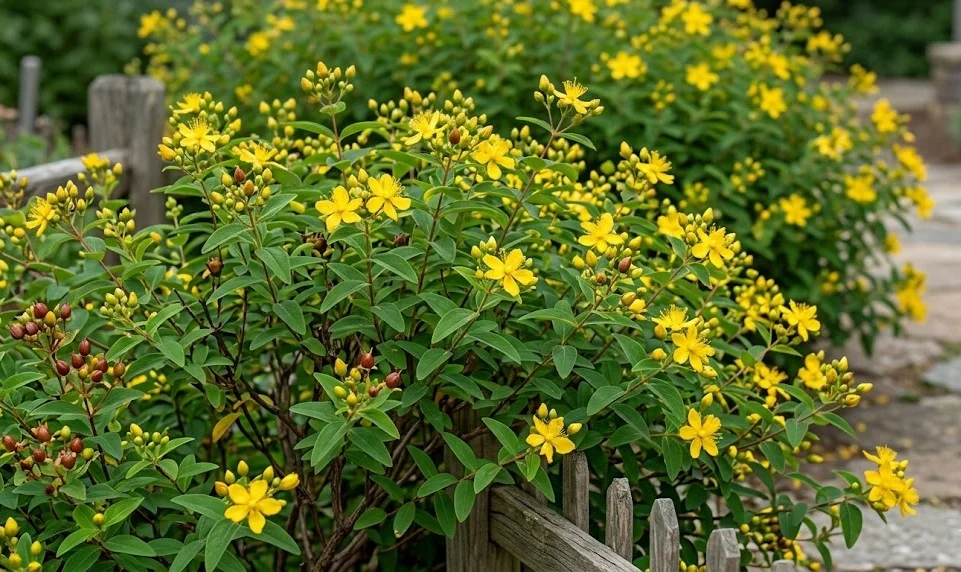

Light is the primary source of energy for your plants, and understanding how this variety interacts with the sun is a key to professional success. You should aim to provide a location where the shrub receives at least six hours of direct sunlight every day to ensure the best possible flowering. Sunlight triggers the production of the pigments that give the flowers their brilliant yellow hue and supports the dense, healthy growth of the foliage. In professional gardening, getting the light right is often more important than any other single factor.
While the plant loves the sun, you should also consider the intensity of the light in your specific geographical region. In very hot, southern climates, the afternoon sun can be quite punishing and may cause the delicate petals to fade or wilt prematurely. In these cases, a professional choice would be a spot that receives full morning sun but is filtered or shaded during the hottest part of the day. This balance allows the plant to get the energy it needs without the stress of extreme heat.
In cooler, northern regions, you should almost always prioritize full sun to maximize the heat and light available during the shorter growing season. You will notice that plants grown in these areas often have a more compact habit and produce more intense floral displays when they have total sun exposure. Professional agricultural borders are often designed with these light patterns in mind to ensure a uniform and impressive display. Being aware of these regional differences is part of your development as an expert cultivator.
The height and placement of neighboring plants can also significantly impact the amount of light your shrub receives throughout the day. You should monitor the area at different times to see how shadows move across the landscape as the sun changes its position. If you find that the plant is being shaded out, a strategic pruning of nearby trees or a relocation of the shrub might be necessary. Professional landscape management is an ongoing process of optimizing these environmental factors for every individual plant.
Shade tolerance and its effects
It is worth noting that this variety does possess a fair amount of shade tolerance compared to other flowering shrubs in its class. You might find that it grows quite well in partial shade or in areas with dappled sunlight throughout the day. However, as a professional gardener, you should be aware that there is always a trade-off when it comes to reduced light levels. While the foliage may remain lush and green, the number of flowers produced will almost certainly be lower than in a sunny spot.
More articles on this topic
In deep shade, the stems of the plant may become “leggy” or stretched as they reach toward the nearest source of light. This can lead to a less attractive, more open structure that might require more frequent pruning to maintain its shape. You will also find that the flowering period is shorter and the blooms are less vibrant in these low-light conditions. Understanding these limitations allows you to set realistic expectations for the plant’s performance in different parts of your garden.
If you must plant in a shadier area, you should compensate by being even more diligent with your other care routines. Ensuring the soil is rich and the water supply is perfect can help the plant manage the stress of lower light levels. You might also consider using lighter-colored mulches or surrounding the plant with reflective surfaces to maximize what little light is available. These are the kinds of professional “tricks” that can help a plant thrive in less-than-ideal circumstances.
Ultimately, the best use of this variety’s shade tolerance is in transitions between sunny borders and more wooded areas of the landscape. You can use it to create a beautiful and resilient understory that provides color where other sun-loving plants would fail completely. By matching the plant’s light requirements to the specific needs of your site, you demonstrate a professional level of horticultural planning. Every corner of the garden has its perfect plant, and knowledge of light needs is how you find it.
Impact on growth and flowering
The relationship between light and the plant’s internal chemistry is a fascinating subject for any serious student of horticulture. You should understand that the length of the day and the intensity of the light directly control when the plant decides to start its flowering cycle. This is why you might see different bloom times even within the same garden if the light exposure varies from one end to the other. Consistency in light across a professional planting creates that sought-after uniform floral display.
More articles on this topic
High light levels also encourage the plant to develop a thicker cuticle on its leaves, which makes it more resistant to pests and diseases. This natural defense mechanism is a byproduct of a healthy, sun-drenched environment where the plant can produce an abundance of protective compounds. You will find that plants grown in the sun often require fewer chemical interventions than those struggling in the shade. This synergy between light and health is a fundamental principle of professional agricultural management.
As the season changes from spring to summer, the increasing light intensity provides the final push needed for the buds to open. You should observe how the first flowers always appear on the sunniest side of the shrub, gradually spreading to the more shaded areas. This natural progression is a beautiful reminder of the sun’s power over the plant’s life cycle. Expert gardeners use this knowledge to time their maintenance tasks and enjoy the floral display to its fullest extent.
By paying close attention to the light requirements of your shrubs, you are ensuring they have the energy they need to reach their full potential. You should never underestimate the impact of a few extra hours of sunlight on the overall health and beauty of your landscape. Whether you are managing a small home garden or a large professional estate, light management is the key to a vibrant and successful display. Trust in the natural power of the sun and your own growing expertise to produce the best possible results.