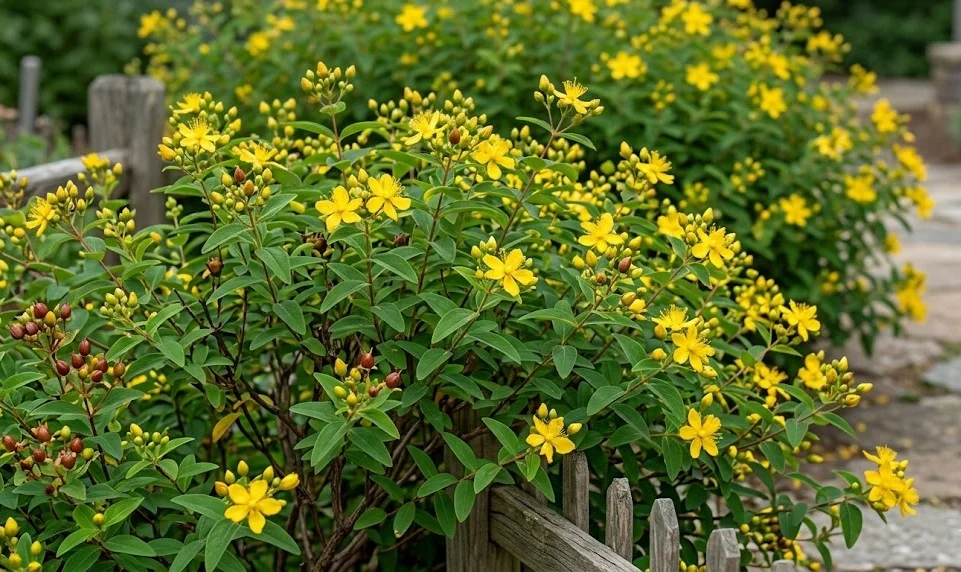

Water is the lifeblood of any garden specimen, and getting the balance right is essential for professional-grade results. You must recognize that while this variety is somewhat drought-tolerant once mature, it requires consistent moisture to produce its best floral display. The goal is to keep the soil evenly moist without ever allowing it to become truly soggy or waterlogged. You will find that the plant’s appearance provides the best clues as to whether your watering routine is meeting its current needs.
In the early stages after planting, the root system is shallow and cannot access moisture deep within the earth. You should water newly installed shrubs frequently, perhaps every other day during warm weather, to prevent the root ball from drying out completely. As the plant matures and the roots grow deeper, you can gradually increase the time between watering sessions. This transition encourages the roots to search deeper into the ground, making the plant more resilient to future dry spells.
Professional gardeners often prefer to water deeply and less frequently rather than providing shallow daily sprinkles. This “deep soak” method ensures that the water reaches the entire root zone and encourages a more robust and expansive underground structure. You should aim to apply water directly to the base of the plant rather than spraying the foliage from above. This practice keeps the leaves dry, which is a key strategy for preventing many common fungal diseases.
The type of soil you have will also dictate how you should manage your hydration schedule throughout the year. Sandy soils drain very quickly and will require more frequent attention, while clay-based soils hold onto moisture much longer. You should always feel the soil a few inches below the surface before deciding to turn on the hose or irrigation system. This hands-on approach is far more effective than following a rigid, automated schedule that doesn’t account for changing weather.
Managing drought and heat stress
During the hottest parts of the summer, the rate of evaporation increases significantly, putting more pressure on the plant’s resources. You might notice the leaves drooping slightly in the late afternoon, which is often a natural defense mechanism to conserve moisture. However, if the plant still looks wilted the following morning, it is a clear sign that a deep watering is urgently required. You should try to perform your watering tasks in the early morning to give the plant a reservoir of moisture for the day ahead.
More articles on this topic
Applying a thick layer of organic mulch is one of the most professional ways to combat the effects of drought. The mulch acts as a barrier, slowing down the evaporation of water from the soil surface and keeping the root zone much cooler. This reduced stress allows the plant to continue producing flowers even when temperatures are high. You will find that mulched plants generally look much healthier and more vibrant during a heatwave than those in bare soil.
In times of extreme water restrictions or prolonged drought, you may need to prioritize the health of the plant over its appearance. You can reduce the water demand by lightly trimming back some of the non-flowering growth to decrease the total leaf surface area. This helps the shrub maintain its core functions with less available moisture until the conditions improve. Professional agricultural management often involves these types of strategic decisions to ensure the survival of the crop or landscape.
Once the weather cools and the rains return, you should carefully monitor the soil to ensure it doesn’t become oversaturated. The transition from a dry period to a wet one can sometimes cause stress if the drainage is not functioning perfectly. You should clear away any debris that might have accumulated around the base to allow the air to circulate and the surface to dry. Understanding the ebb and flow of the seasons is a hallmark of an expert cultivator.
Essential nutrient requirements
Feeding your plants is about providing the raw materials they need to build strong stems, healthy leaves, and bright flowers. You should aim for a balanced approach to fertilization, avoiding the excessive use of high-nitrogen products that encourage weak, sappy growth. A professional-grade, slow-release fertilizer applied in the early spring is often all that is needed for a healthy specimen. This provides a steady stream of nutrients throughout the most active part of the growing season.
More articles on this topic
The presence of organic matter in the soil is just as important as the chemical nutrients you might add through commercial products. You should regularly top-dress the area with well-rotted compost or leaf mold to maintain a healthy soil biology. These natural materials release nutrients slowly as they are broken down by earthworms and beneficial bacteria. This holistic approach creates a self-sustaining environment where the plant can truly flourish over many years.
You can observe the color and size of the new growth to determine if the plant is suffering from any specific nutrient deficiencies. Yellowing leaves with green veins, for example, might indicate a lack of iron or magnesium in the soil. If you suspect a problem, it is best to perform a soil test before adding specific amendments to the ground. Precision is a key element of professional horticulture, ensuring you only add what the plant actually needs.
During the peak flowering period, the plant’s demand for potassium increases as it puts all its energy into producing those golden blooms. You might consider a light application of a potassium-rich feed if you want to give the floral display an extra boost. However, you should always follow the manufacturer’s instructions carefully to avoid over-fertilizing, which can damage the roots. A “less is more” philosophy often yields the best long-term results in a professional garden.
Application methods and timing
The way you apply fertilizer can be just as important as the type of product you choose to use in your garden. You should spread the granules evenly across the entire root zone, which usually extends slightly beyond the reach of the outer branches. This ensures that all the feeder roots have access to the nutrients as they dissolve into the soil. Avoid piling the fertilizer up against the main stems, as the concentrated chemicals can cause burns to the bark.
After applying any dry fertilizer, you should always water the area thoroughly to help the nutrients move down into the root zone. This “watering in” process also prevents the fertilizer from blowing away or being disturbed by birds and other wildlife. If you are using a liquid feed, ensure the soil is already slightly moist before application to prevent root shock. These small technical details are what separate a professional application from a casual one.
Timing your feeding schedule to match the plant’s natural growth cycles is a critical skill for any expert gardener. You should start your fertilization program in the early spring just as the first buds begin to swell on the branches. This gives the plant the energy it needs for that initial burst of green growth and helps set the stage for summer flowering. Avoid feeding late in the autumn, as this can encourage new growth that is too soft to survive the winter frosts.
In agricultural settings where many shrubs are grown together, consistency in application is key to achieving a uniform look across the landscape. You might consider using a calibrated spreader to ensure that every plant receives the exact same amount of nutrients. This level of precision is common in professional nursery and estate management where high standards are required. By being methodical in your approach, you guarantee the best possible outcome for every individual plant.
Long-term soil fertility management
Building a fertile garden is a multi-year project that involves more than just adding a handful of fertilizer once a year. You should focus on improving the overall “tilth” and health of the soil through regular additions of organic material and minimal disturbance. This encourages a deep, complex network of beneficial fungi and bacteria that help the plant absorb minerals more efficiently. A healthy soil ecosystem is the ultimate secret to a professional-looking garden that stays vibrant year after year.
You should also be aware of how the pH of your soil can affect the availability of the nutrients you are providing. If the ground is too alkaline, the plant may struggle to take up essential elements like iron, no matter how much you add. Regularly checking the pH and making small, gradual adjustments is a standard professional practice for high-value landscapes. Maintaining the right chemistry ensures that the money and time you spend on fertilization is not wasted.
Crop rotation is not usually possible with perennial shrubs, so you must find other ways to prevent the soil from becoming “tired.” This involves being observant and noticing if the plant’s vigor seems to be declining despite regular care. Sometimes, a more aggressive top-dressing of specialized organic amendments can provide the necessary refresh for an older specimen. Professional gardeners always keep an eye on the long-term health of the entire soil profile.
Ultimately, your goal is to create an environment where the plant can sustain itself with minimal intervention from you. By focusing on soil health and proper hydration, you are giving the shrub the tools it needs to thrive in any conditions. You will find that the most beautiful gardens are those where the natural systems are supported by professional expertise. Consistent, thoughtful management of water and nutrients is the foundation of that success.