
Protecting your shrubs from diseases and pests is an essential part of professional landscape and agricultural management. You must be able to recognize the early warning signs of trouble before they have a chance to spread through the entire planting. This variety is generally quite sturdy, but it is not completely immune to the various pathogens that thrive in certain weather conditions. A quick and informed response to any issues you discover is the best way to keep your garden looking its absolute best.
One of the most frequent challenges you might encounter is the appearance of fungal spots or discoloration on the foliage. These issues are often exacerbated by high humidity and poor airflow around the center of the plant. You should make it a habit to inspect the interior of the shrub, where the air can become stagnant and moisture can linger. If you catch these problems early, they are usually much easier to manage using simple cultural or professional techniques.
Pests can also be a concern, although this specific variety is less attractive to many common garden insects than other ornamental plants. You should look for signs of feeding, such as small holes in the leaves or distorted growth at the tips of the branches. Sometimes the pests themselves are very small and difficult to see without a close inspection of the new buds. Understanding the lifecycle of common local insects will help you time your interventions for maximum effectiveness.
Maintaining the overall vigor of the plant is your first and most powerful line of defense against any health problems. You will find that a stressed plant is far more likely to succumb to disease or insect attacks than one that is well-fed and hydrated. By following a professional care routine, you are already doing most of the work required to keep the plant healthy. Prevention is always more effective and less expensive than trying to cure a serious infestation later on.
Managing rust and fungal issues
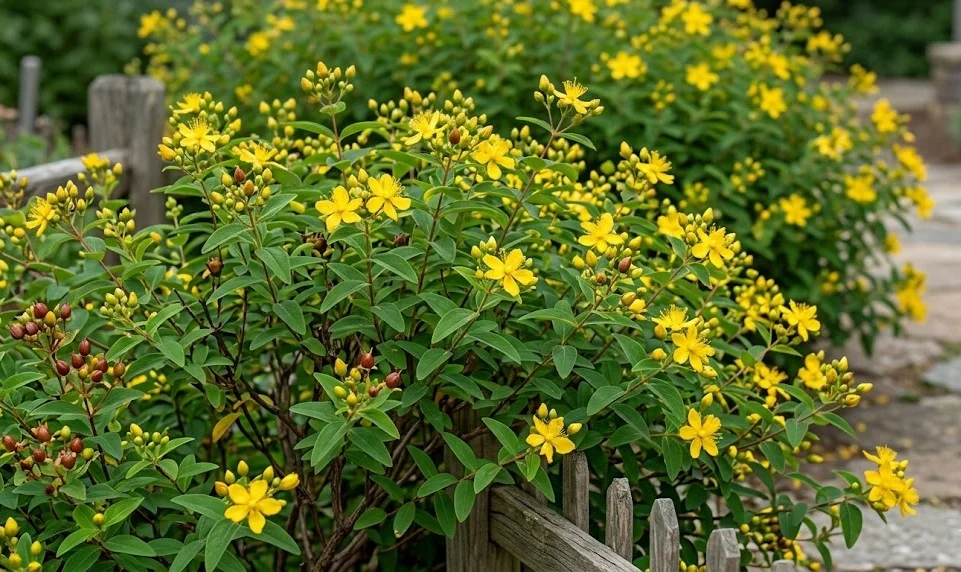
St. John’s wort is particularly susceptible to a type of fungus commonly known as rust, which appears as orange or brown powdery spots on the undersides of the leaves. You should be especially vigilant during damp, warm springs when the spores are most active and can spread easily through water droplets. If left untreated, rust can cause the leaves to turn yellow and drop prematurely, weakening the entire shrub over time. This can significantly impact the visual appeal of a professional horticultural display.
More articles on this topic
To manage rust effectively, you should start by removing and destroying any infected leaves as soon as you notice them. You must avoid putting this material into your home compost pile, as the heat may not be enough to kill the resilient fungal spores. Cleaning your garden tools with a disinfectant after working on an infected plant is a professional step that prevents cross-contamination. These small hygienic measures are critical for maintaining a healthy agricultural environment.
Improving the airflow through and around the plant is another key strategy for reducing the risk of fungal infections. You can achieve this by thinning out some of the older, denser branches during the spring pruning session. You should also ensure that the shrub is not crowded by other plants that might block the breeze or trap moisture near the ground. A plant that dries quickly after a rain shower is much less likely to develop serious rust or mildew problems.
In severe cases where cultural methods are not enough, you might consider the use of professional-grade fungicides to protect the new growth. You should apply these products according to the strict instructions on the label, usually focusing on the early part of the season. Always aim for thorough coverage of both the upper and lower leaf surfaces to ensure the best protection. Using these tools as part of an integrated management plan will help keep the disease under control without over-relying on chemicals.
Dealing with insect infestations
While not a primary target for many pests, you may occasionally find aphids or other small sucking insects on the tender new growth in the spring. These pests can cause the leaves to curl and become sticky with a substance known as honeydew, which can then lead to secondary issues like sooty mold. You should check the growing tips regularly, as this is where the insects prefer to congregate and feed. If the numbers are small, you can often simply wash them away with a firm spray from a garden hose.
More articles on this topic
For larger infestations, you might need to use more specialized interventions to protect the health and appearance of the shrub. Many professional gardeners prefer to use insecticidal soaps or horticultural oils, which are effective against soft-bodied insects but have a lower impact on the environment. You should apply these treatments in the cool of the evening to avoid any potential for leaf burn under the hot sun. This professional approach ensures that you manage the pests while minimizing the stress on the plant.
Beneficial insects like ladybugs and lacewings are your natural allies in the fight against common garden pests. You should encourage these predators by avoiding the use of broad-spectrum pesticides that might harm them along with the pests. A healthy, diverse garden ecosystem often regulates its own pest populations without the need for intensive human intervention. This ecological perspective is increasingly popular in professional agricultural and landscape management circles.
If you notice more significant damage, such as large sections of the foliage being stripped, you may be dealing with a less common pest like a specific beetle or caterpillar. You should try to identify the exact culprit so you can choose the most targeted and effective response possible. Sometimes, manual removal of the pests is the most professional and direct way to solve the problem for a single specimen. Being observant and acting quickly will prevent a minor nuisance from becoming a major setback.
Hygiene and preventative measures
A clean garden is a healthy garden, and basic hygiene is one of the most professional ways to prevent the spread of diseases. You should regularly clear away fallen leaves and debris from around the base of the shrub, especially at the end of the growing season. This material often harbors dormant pests and fungal spores that will wait through the winter to re-infect your plants in the spring. By removing this bridge between seasons, you significantly lower the disease pressure on your landscape.
The quality and cleanliness of your pruning tools are also vital factors in maintaining a healthy collection of plants. You should always ensure that your blades are sharp, as a clean cut heals much faster and is less likely to become an entry point for pathogens. Wiping your shears with alcohol between different plants is a standard professional practice that every serious gardener should adopt. This prevents you from inadvertently spreading a hidden infection from one part of the garden to another.
When you are adding new plants to your garden, you should always inspect them carefully for any signs of disease or pests before they leave the nursery. You might even consider keeping new arrivals in a separate “quarantine” area for a week or two to ensure they are healthy. This professional caution prevents you from introducing a new problem into an otherwise clean environment. It is much easier to return a sick plant than it is to treat an entire border of established shrubs.
Finally, you should pay attention to how you water your plants, as the method can directly influence the development of disease. As mentioned before, watering at the base and keeping the foliage dry is a key preventative measure. If you must use overhead irrigation, try to do it early in the day so the leaves have plenty of time to dry before evening. These small adjustments to your daily routine are the hallmark of an expert who understands the science of plant health.
Recovery and long-term resilience
If your shrub has suffered from a significant pest or disease issue, the focus should shift toward helping it recover its strength. You should provide consistent, moderate care to avoid further stressing the plant while it is trying to regrow. This might involve a light application of a balanced fertilizer to support new foliage and ensuring the water supply remains steady. You will find that with a little extra attention, these resilient shrubs can often bounce back quite remarkably.
Sometimes, the best long-term solution is to evaluate why the problem occurred in the first place and make changes to the environment. If a plant is constantly suffering from rust, perhaps it needs to be moved to a spot with better air circulation or more sunlight. Professional gardening is a process of constant learning and adjustment based on the results you see in the field. Every challenge is an opportunity to refine your techniques and build a more resilient garden.
Developing a long-term integrated pest management (IPM) plan is a professional way to manage plant health in an agricultural or large garden setting. This involves using a combination of cultural, biological, and as a last resort, chemical tools to keep pests and diseases below a damaging level. By focusing on the whole system rather than just reacting to individual problems, you create a more stable and sustainable landscape. This professional approach is the key to maintaining high-quality specimens over many decades.
Remember that a few minor imperfections on the leaves are often a natural part of an outdoor environment and don’t always require action. You should learn to distinguish between a cosmetic issue that can be ignored and a serious threat that requires a professional response. Maintaining this perspective will save you time and effort while still ensuring your plants remain healthy and productive. Trust in your growing expertise to guide you through the complexities of plant protection.