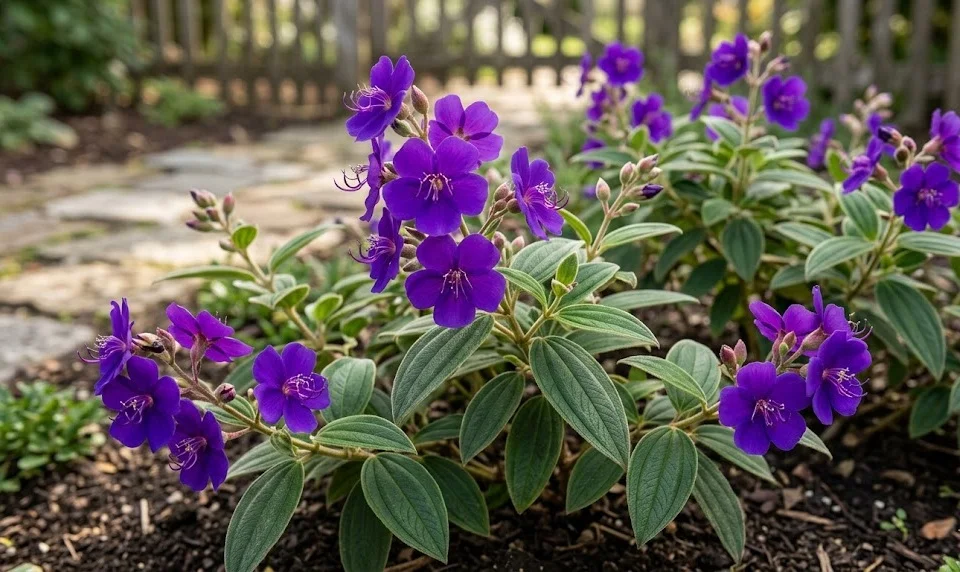

Finding the perfect balance of light is perhaps the most important factor in ensuring your princess flower produces its iconic purple blooms. This plant is a sun-lover by nature, hailing from the bright and open spaces of the South American tropics where light is abundant. However, in a domestic garden or an indoor setting, you must be careful to provide the right quality of light to avoid damaging the delicate velvety foliage. You will find that the plant’s growth habit and flowering potential are directly linked to the amount of energy it can absorb from the sun each day.
In most climates, the princess flower performs best when it receives at least six to eight hours of bright light every single day. This energy is what fuels the production of those large, vibrant flowers that make the plant such a popular choice for ornamental gardens. If the light is too low, you will notice the stems becoming long and weak as the plant stretches toward the nearest light source. You might also find that the leaves become a lighter shade of green and the plant fails to produce any significant number of flower buds.
While the plant loves the sun, the intense heat of the midday summer sun can sometimes be too much for the leaves to handle, especially in hotter inland regions. You might notice the edges of the leaves turning brown or the plant wilting significantly during the hottest part of the afternoon if it is in a very exposed spot. In these cases, providing some filtered light or light afternoon shade can help to protect the plant while still giving it enough energy to thrive. Many gardeners find that a location that receives full morning sun and partial shade in the afternoon is the perfect compromise for long-term health.
If you are growing your princess flower indoors, light management becomes even more critical due to the lower intensity of light through window glass. You should place the plant as close to a bright, south-facing window as possible to maximize its exposure to natural sunlight. You might even need to rotate the pot once a week to ensure that all sides of the plant receive an equal amount of light and grow evenly. Your attentiveness to the way the sun moves through your home or garden will help you find the ideal permanent home for this beautiful species.
Managing direct sun and heat
The princess flower is naturally adapted to high light levels, but there is a difference between bright light and scorching heat that can damage plant tissues. In coastal areas where the air is cooler and more humid, the plant can often handle full sun all day long without any issues. However, if you live in a dry, hot climate, the combination of intense UV rays and low humidity can quickly lead to leaf burn and stress. Understanding your local climate is the first step in deciding exactly how much direct sun your princess flower can safely tolerate throughout the growing season.
More articles on this topic
If you notice your plant’s leaves are taking on a reddish or bronze tint, it might be a sign that it is receiving more light than it can comfortably process. While some color change is normal, excessive reddening can indicate that the plant is trying to protect itself from high light intensity by producing protective pigments. You might want to consider moving it to a slightly more sheltered location or providing some temporary shade during the peak of the summer heat. Observing these subtle changes in the foliage will help you make the necessary adjustments before any permanent damage occurs to the plant.
Watering and light are closely linked, as a well-hydrated plant is much better equipped to handle the stress of direct sunlight and high temperatures. When the sun is bright, the plant loses moisture rapidly through its leaves, and if the roots cannot keep up, the plant will wilt and become more susceptible to sun damage. You should always ensure the soil is properly moist during the brightest part of the day to give your princess flower the best chance of thriving in the sun. This synergy between hydration and light management is the secret to maintaining a lush and vibrant specimen in a sunny garden spot.
Using shade cloth or placement near taller plants can provide the “dappled” light environment that mimics the edge of a rainforest where this species often grows naturally. This type of light is ideal because it provides high-energy photons without the constant thermal stress of direct, unblocked rays. You can experiment with different locations in your garden until you see the plant responding with healthy, dark green leaves and a steady production of flowers. Finding that “sweet spot” of light exposure is a rewarding process that will significantly improve the success of your gardening efforts.
Light solutions for indoor growing
When you bring a princess flower indoors, you are moving it into an environment that is significantly darker than any outdoor space, regardless of how many windows you have. Even a very bright room has only a fraction of the light intensity found outside, which can lead to a decline in the plant’s health over time. To compensate, you should use the highest-quality natural light available and consider using supplemental lighting to bridge the gap during the darker months. This extra effort will ensure that your plant doesn’t just survive the winter but continues to grow and stay healthy throughout its time inside.
More articles on this topic
Full-spectrum LED grow lights are an excellent tool for any indoor gardener who wants to keep a tropical princess flower looking its best. These lights provide the specific wavelengths of blue and red light that the plant needs for both foliage growth and flower production. You can set the lights on a timer to provide twelve to fourteen hours of consistent illumination every day, regardless of the weather outside. This consistency is very beneficial for the plant’s internal clock and helps it to maintain a steady growth rate even when the days are short.
The placement of your artificial lights is just as important as the type of light you choose for your indoor gardening setup. You should position the lights about thirty to fifty centimeters above the top of the plant to provide enough intensity without causing heat damage to the delicate leaves. As the princess flower grows taller, you will need to adjust the height of the lights to maintain this ideal distance and ensure the lower leaves also receive some energy. Monitoring the plant’s response to the artificial light will help you fine-tune the distance and duration for the best possible results.
Don’t forget to clean your windows regularly, as even a thin layer of dust can significantly reduce the amount of light that reaches your plants. Every bit of natural energy is precious when you are growing a sun-loving species indoors, so keeping the glass clear is a simple and effective way to help. You might also want to use reflective surfaces or light-colored walls to bounce more light back onto the plant from different angles. These small adjustments can make a big difference in the overall health and appearance of your princess flower during its stay inside your home.