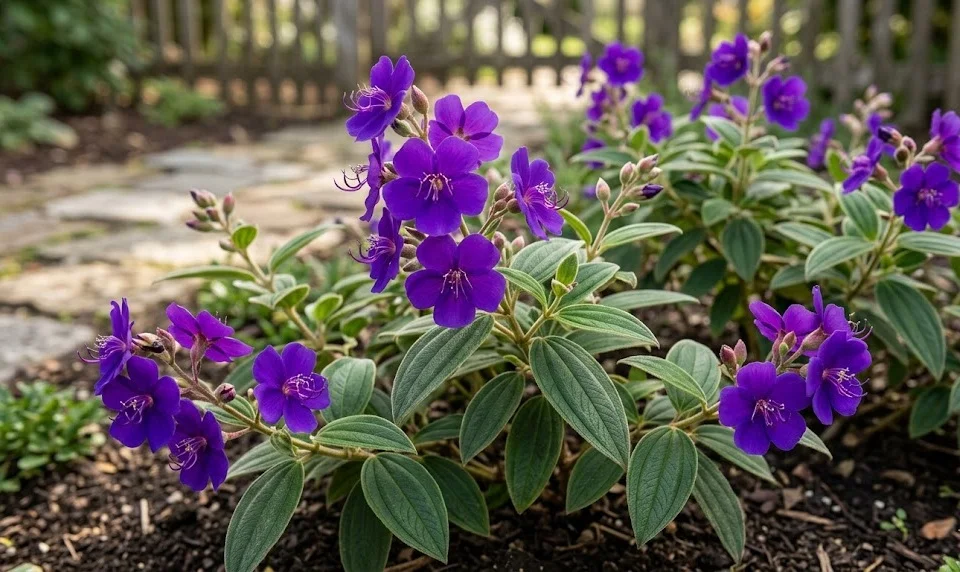

Proper hydration and nutrition are the two pillars of health for the princess flower, especially when it is grown outside its native tropical environment. You must find a delicate balance where the plant has constant access to moisture without ever sitting in waterlogged soil that could damage the roots. This species is known for its high transpiration rate, meaning it loses water quickly through its large, velvety leaves during the heat of the day. Developing a consistent routine that responds to the changing needs of the plant is the mark of an experienced and successful gardener.
The frequency of your watering will depend heavily on the temperature, the size of the container, and the amount of sunlight the plant receives. During the peak of the summer, you might find that your princess flower needs a deep drink every single day to stay vibrant. In contrast, during the cooler months or rainy periods, you can significantly reduce the amount of water you provide as the plant’s metabolism slows down. Always use your finger to feel the soil; if the top inch feels dry, it is usually time to bring out the watering can.
The quality of the water you use can also have a significant impact on the long-term health and appearance of your princess flower. If your tap water is very hard or contains high levels of chlorine, you might notice the leaf tips turning brown or the soil becoming too alkaline over time. Many enthusiasts prefer to collect rainwater or use filtered water to avoid the buildup of harmful minerals in the potting medium. If you must use tap water, letting it sit out for twenty-four hours can help some of the chemicals dissipate before you apply it to your plants.
Applying water directly to the soil surface is the best way to ensure the roots receive the hydration they need without wetting the foliage excessively. While the plant loves humidity, constantly wet leaves can encourage the growth of mold and mildew, especially in areas with poor air circulation. If you water early in the morning, any moisture that does get on the leaves will have plenty of time to evaporate during the day. This simple timing adjustment can prevent many common fungal issues and keep your princess flower looking its absolute best.
Managing humidity and misting
The princess flower thrives in environments where the air is moist, which can be a challenge in modern homes or dry outdoor climates. You can increase the local humidity around your plant by grouping it with other tropical species that release moisture through their leaves. Another effective method is to place the pot on a tray filled with pebbles and a small amount of water, ensuring the bottom of the pot does not touch the water. As the water evaporates, it creates a more humid microclimate directly around the foliage where the plant needs it most.
More articles on this topic
Misting the leaves with a fine spray of water can provide temporary relief during particularly dry days or when the indoor heating is running. However, you should be careful not to overdo this, as the velvety texture of the leaves can trap water and lead to spots or rot if the air is stagnant. If you choose to mist your plant, do it during the morning so the moisture can dry completely before the temperature drops at night. Many indoor gardeners find that a dedicated room humidifier is a much more effective and consistent way to manage the air quality for their tropical collection.
If you notice the edges of the leaves becoming dry and brittle, it is often a clear sign that the humidity levels are too low for the plant’s comfort. This symptom can occur even if the soil is properly moist, as the leaves are losing water faster than the roots can replace it from the ground. In such cases, moving the plant to a more sheltered location away from drying winds or air conditioning vents can make a huge difference. Maintaining a relative humidity of around fifty to sixty percent will keep the princess flower’s leaves looking lush and vibrant throughout the year.
During the winter months, when the air is naturally drier, you need to be especially vigilant about maintaining these humidity levels for indoor plants. You might need to adjust your routine and increase your efforts to provide the moisture that the plant would normally find in a rainforest. Monitoring the air with a simple hygrometer can help you take the guesswork out of humidity management and ensure your plant stays healthy. A well-hydrated plant is much more resilient to temperature changes and potential pest attacks during the transition between seasons.
Nutritional needs and fertilizer types
The princess flower is a vigorous grower and a heavy feeder, meaning it requires a steady supply of nutrients to produce its spectacular floral displays. You should use a fertilizer that is specifically formulated for acid-loving plants, such as those used for azaleas or rhododendrons. These products not only provide the essential nitrogen, phosphorus, and potassium but also help to maintain the low pH level that the plant prefers. Most experts recommend using a water-soluble fertilizer that can be easily absorbed by the root system during regular watering sessions.
More articles on this topic
A balanced approach to feeding will ensure that the plant develops strong stems and deep green leaves in addition to its purple flowers. If you use a fertilizer with too much nitrogen, you might see a lot of leaf growth but very few blooms as a result. You should look for a formula that has a slightly higher middle number, representing phosphorus, to encourage the development of flower buds throughout the season. Many successful gardeners find that a “bloom booster” formula used periodically can significantly enhance the color and quantity of the blossoms.
Organic fertilizers are an excellent choice for long-term soil health and provide a slower, more sustained release of nutrients into the environment. You can incorporate composted manure, fish emulsion, or seaweed extracts into your feeding routine to provide a wide range of trace minerals. These organic options also help to improve the soil structure and support the beneficial bacteria that keep the root zone healthy and active. Combining organic base nutrients with occasional synthetic supplements can give you the best of both worlds for your princess flower.
The timing of your fertilizer applications should align with the natural growth cycles of the plant for the most effective results. You should start feeding in the early spring as the new growth begins to emerge and continue throughout the summer and into the early autumn. Stop fertilizing about six weeks before you expect the first frost or when the plant enters its natural winter rest period. Providing nutrients when the plant is dormant can lead to a buildup of salts in the soil, which can eventually damage the sensitive roots.
Specialized feeding for maximum bloom
To achieve the best possible floral display, some gardeners use a more intensive feeding schedule during the peak of the growing season. You can apply a half-strength liquid fertilizer every two weeks instead of a full dose once a month to provide a more constant supply of energy. This frequent but light approach prevents the “feast or famine” cycle that can sometimes stress the plant and lead to inconsistent growth. Watch the plant’s reaction carefully; if the leaves look exceptionally dark and healthy, your current feeding schedule is likely working perfectly.
Iron is a crucial micronutrient for the princess flower, as it is essential for the production of chlorophyll in an acidic environment. If you notice the new leaves are coming in pale yellow with green veins, it is a classic sign of iron chlorosis caused by a nutrient deficiency or high soil pH. You can quickly correct this issue by applying a chelated iron supplement as either a soil drench or a foliar spray. Regular applications of iron will ensure that the foliage remains that deep, rich green color that provides such a beautiful backdrop for the purple flowers.
Magnesium is another element that plays a vital role in the health of tropical plants and can sometimes be lacking in standard potting mixes. You can add a tablespoon of Epsom salts to a gallon of water once every few months to provide a quick boost of magnesium to the soil. This simple and inexpensive treatment can help to strengthen the plant’s cell walls and improve its overall resistance to environmental stressors. Many professional growers swear by this technique for maintaining the vigor and longevity of their prize-winning princess flower specimens.
Always remember to water the plant thoroughly before applying any type of concentrated fertilizer to the soil. Applying nutrients to dry soil can cause “fertilizer burn,” where the concentrated salts pull moisture out of the roots and cause them to wither. By ensuring the root zone is already moist, you allow the nutrients to distribute evenly and safely throughout the soil profile. This extra step is a simple way to protect your plant and ensure that every feeding session contributes to its health and beauty.
Identifying and fixing feeding problems
Over-fertilizing is a common issue that can manifest as brown, crispy edges on the leaves or a white crusty buildup on the soil surface. If you suspect you have given the plant too much food, the best course of action is to flush the soil with plenty of clear water. This process helps to wash away the excess salts and restore the balance within the potting medium so the roots can recover. You should then wait several weeks before resuming your feeding schedule, using a much lighter concentration of fertilizer than before.
If the plant is growing very slowly and the leaves are small and light green, it might be an indication that it is not receiving enough nutrients. This is especially common for plants that have been in the same pot for several years without any soil refreshment or regular feeding. You should increase the frequency of your applications and consider adding a layer of fresh compost to the surface of the soil. Recovery from under-feeding is usually quite fast, and you should see an improvement in the color and size of new leaves within a few weeks.
Sometimes, a plant might show signs of nutrient deficiency even if you are fertilizing regularly, which could point to a problem with the soil pH. If the soil is too alkaline, the plant becomes unable to absorb certain elements like iron and phosphorus, regardless of how much you provide. In these cases, you might need to use a soil acidifier or increase the amount of peat moss in the mixture to lower the pH to the desired level. Testing the soil pH is the only way to be sure if this is the underlying cause of your plant’s nutritional struggles.
Always take a holistic view of your plant’s health, considering light, water, and temperature alongside your fertilization routine. A plant that is stressed by lack of light or improper watering will not be able to use nutrients effectively, no matter how high the quality of the fertilizer. By balancing all these factors, you create an environment where the princess flower can truly flourish and show its full potential. Your attentiveness to these subtle details will be rewarded with a spectacular and healthy plant that brings joy to your garden year after year.