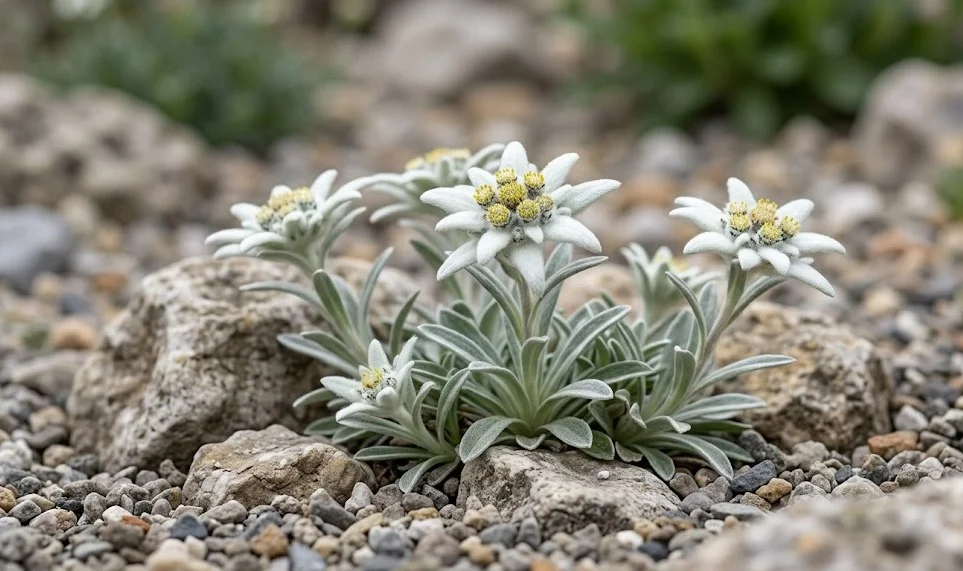

Growing edelweiss in a home garden requires a deep understanding of its natural alpine origins and specific survival mechanisms. These iconic white flowers are evolved for harsh, high-altitude environments where ultraviolet radiation is intense and the air is thin. To replicate these conditions at sea level, gardeners must prioritize drainage and mineral-rich substrate over organic richness. Achieving the characteristic woolly appearance of the bracts is only possible when the environmental stressors are balanced correctly.
The first step in caring for this plant is selecting a location that mimics a rocky limestone crevice or a gravelly mountain slope. Traditional garden soil is often far too heavy and nutrient-dense, which can lead to leggy growth and a loss of the plant’s distinctive silver sheen. By incorporating large amounts of grit, perlite, or crushed limestone into the planting area, you create the porous structure necessary for root health. This architectural approach to the soil ensures that oxygen reaches the roots even during periods of high humidity.
Establishing a consistent maintenance schedule involves monitoring the plant for signs of physiological stress or environmental mismatch. While edelweiss is remarkably hardy against cold, it is sensitive to stagnant air and excessive moisture trapped within its felt-like foliage. Gardeners should ensure there is adequate airflow around the base of the plant to prevent the development of crown rot. Regular observation allows for early intervention if the plant begins to lose its compact, mounded growth habit.
Understanding the life cycle of the plant helps in managing expectations regarding its longevity and flowering patterns. Although often treated as a short-lived perennial, careful management of its microclimate can extend its lifespan significantly over several seasons. It is essential to remember that the plant naturally goes into a deep dormancy during the winter months to protect its core. Recognizing these natural rhythms is the hallmark of a professional approach to alpine gardening and specialized botanical care.
Selection of the ideal substrate
The chemical composition of the soil is a critical factor that determines the density of the woolly hairs on the leaves. A high concentration of calcium or lime in the substrate often encourages the plant to develop its most protective and attractive silver coating. Professionals often mix chicken grit or limestone chippings into the top layer to provide these essential minerals over time. This mineral-heavy approach prevents the plant from becoming overly lush, which can weaken its natural defense mechanisms.
More articles on this topic
When preparing the planting site, one should aim for a mixture that consists of at least sixty percent inorganic material. This might include coarse sand, volcanic rock, or expanded clay pebbles designed for horticultural use. Such a composition ensures that water moves through the root zone rapidly without saturating the fine root hairs. If the soil remains too wet for more than a few hours, the delicate vascular system of the plant may suffer irreparable damage.
Compaction is the enemy of the edelweiss, as its roots require significant pore space to navigate the stony terrain. Avoid using heavy peat-based composts that tend to hold water like a sponge and compress over time. Instead, focus on materials that maintain their structural integrity even after repeated exposure to the elements and varying temperatures. A stable, open structure allows the plant to anchor itself firmly as if it were clinging to a mountain ledge.
Testing the pH of your garden bed can provide valuable insights into whether your alpine plants will thrive or merely survive. Edelweiss generally prefers a neutral to slightly alkaline environment, reflecting the limestone-rich regions where it originates in nature. If your soil is naturally acidic, applying a small amount of dolomitic lime can bridge the gap and create a more hospitable environment. Constant monitoring of these chemical levels ensures that nutrient uptake remains efficient throughout the growing season.
Managing alpine microclimates
Controlling the immediate atmosphere around your alpine bed involves more than just selecting a sunny spot in the yard. In lower elevations, the air is often much more humid than the crisp, dry winds found at three thousand meters above sea level. This humidity can cause the dense hairs on the plant to trap moisture, which leads to various fungal infections or unsightly browning. Positioning the plants on a slight slope or an elevated rockery can help facilitate the necessary air drainage.
More articles on this topic
Wind exposure is actually beneficial for this species, as it helps to dry out the foliage after rain or heavy morning dew. While many garden plants need protection from strong gusts, the edelweiss thrives in breezy conditions that prevent stagnant pockets of air. You might consider placing the plants away from dense hedges or walls that block natural air currents and trap heat. A well-ventilated site mimics the exposed ridges where these flowers are most commonly found in the wild.
Temperature fluctuations are another consideration, as the plant is adapted to cold nights and intense daytime sun. In regions with very hot summers, it may be beneficial to provide some light gravel mulch to keep the root zone cool. This mulch acts as a thermal buffer, preventing the soil from overheating during the peak hours of the afternoon sun. Such techniques are essential for maintaining the vigor of the plant when it is grown far from its cool mountain home.
Artificial rock formations or “crevice gardens” are the gold standard for creating the perfect alpine microclimate at home. By placing stones vertically and planting the edelweiss between them, you provide a deep, cool root run while keeping the crown dry. This method effectively replicates the natural crevices of the Alps and provides the structural support the plant needs. It also adds an aesthetic quality to the garden that highlights the unique beauty of these high-altitude specialists.
Seasonal transition strategies
As spring arrives, the plant begins to emerge from its winter dormancy with a sudden burst of silver-green growth. This is the period when the gardener must be most vigilant about moisture levels as the snow melts or spring rains begin. Ensuring that the surrounding area is free from debris and dead leaves will prevent moisture from sitting against the new shoots. A clean start in the spring sets the foundation for a healthy flowering season later in the early summer.
During the height of summer, the primary goal is to prevent the plant from becoming scorched or dehydrated in extreme heat. While they are sun-loving, the intense heat of a lowland July can be much more taxing than mountain sunshine. Providing a deep watering at the base of the plant once a week is usually sufficient if the drainage is handled correctly. Avoid overhead watering during the day, as water droplets on the fuzzy leaves can act as magnifying glasses and cause burns.
When autumn approaches, the plant will naturally begin to slow its growth and prepare for the coming frost. This is not a sign of ill health, but rather a necessary biological shift as the daylight hours begin to shorten significantly. Reducing any supplemental feeding during this time helps the plant harden off its tissues for the winter ahead. Clearing away any spent flower stalks will also help keep the plant tidy and reduce the risk of mold during the damp fall.
Winter care is surprisingly simple for a plant that is essentially built to survive being buried under meters of snow. The biggest threat during the cold months is not the temperature itself, but the combination of cold and wet soil. If your region experiences wet winters without consistent snow cover, providing a rain shield can be a lifesaver for the plant. Keeping the crown relatively dry while the plant is dormant is the secret to a successful overwintering process.
Achieving structural integrity
A healthy edelweiss should possess a compact, dense form that looks sturdy and resilient rather than soft or sprawling. This structural integrity is a direct reflection of the light intensity and the lack of excess nitrogen in the environment. If the plant begins to look “leggy” or the stems become weak, it is usually a sign that it is receiving too much shade. Maintaining a firm, mounded shape is the visual indicator that the plant is thriving in its current location.
Pruning back the spent flower heads can encourage the plant to focus its energy on maintaining its basal foliage. While the flowers are the main attraction, allowing them to go to seed can sometimes exhaust a younger or weaker specimen. By removing the stalks after the blooms have faded, you promote a cleaner appearance and a more robust root system. This practice also prevents unwanted self-seeding if you prefer to keep your garden layout strictly organized.
The spacing between plants is an overlooked aspect of maintaining their long-term health and structural beauty. Giving each specimen enough room to breathe ensures that they do not compete for the limited nutrients found in alpine soils. It also prevents the plants from shading one another out, which could lead to uneven growth or bald patches in the center. Proper spacing allows the full architectural form of the edelweiss to be appreciated from every angle in the rockery.
Checking for root-bound conditions is necessary if you are growing your edelweiss in containers or stone troughs. Because they have extensive root systems relative to their size, they can quickly exhaust the space available in a small pot. If you notice a decline in growth or a decrease in the size of the flowers, it might be time to repot. Using a larger container with fresh, gritty substrate can revitalize a plant that has become stagnant due to space constraints.
Optimizing mineral nutrition
Unlike most garden perennials, the edelweiss does not require frequent applications of organic fertilizers or rich compost. In fact, adding too much nitrogen to the soil can be detrimental, causing the plant to lose its characteristic woolly texture. The plant has evolved to extract minerals from very poor, rocky soils where nutrient availability is extremely limited. Therefore, a “less is more” approach is vital when considering the nutritional needs of this alpine specialist.
If the plant appears to be struggling, a very diluted dose of a balanced, low-nitrogen liquid fertilizer can be applied in early spring. This should be done only once or twice a year to avoid stimulating excessive, weak vegetative growth that attracts pests. Professional growers often prefer to use slow-release mineral additives that mimic the natural weathering of rocks. These additives provide a steady, minute supply of trace elements without overwhelming the plant’s metabolism.
Calcium is perhaps the most important mineral for maintaining the health and color of the edelweiss bracts. Since these plants are calciphiles, they thrive in environments where lime is readily available for uptake by the roots. If your local water or soil is very soft, you might notice the plant losing its vibrant white color and turning a duller green. Supplementing with a small amount of crushed eggshells or horticultural lime can quickly rectify this deficiency.
Observation of the leaf tips can often tell you if the mineral balance in the soil is correct or needs adjustment. Yellowing or “burnt” edges on the leaves can sometimes indicate an accumulation of salts from over-fertilization or hard water. Flushing the soil with rainwater can help remove these excess salts and restore the natural balance of the substrate. Maintaining a clean, mineral-focused environment is the key to producing the prize-winning specimens seen in botanical displays.
Protecting the silver crown
The crown of the edelweiss is its most vulnerable point, especially during the transitional periods between the growing seasons. This central part of the plant is where the new growth originates, and it must be protected from rot and mechanical damage. Surrounding the base of the plant with a layer of sharp gravel keeps the foliage off the damp earth. This simple technique is one of the most effective ways to ensure the long-term survival of the plant.
During periods of heavy rain, the silver hairs on the bracts and leaves can become matted and lose their protective properties. While the plant can usually recover on its own, prolonged wetness can lead to the development of necrotic spots. If you live in a particularly rainy climate, placing your alpine bed under the eaves of a building or providing a temporary glass cover can be helpful. This protects the delicate “wool” from being washed away or damaged by the weight of the water.
Physical protection from garden pests like slugs and snails is also a priority for keeping the crown intact. These creatures are often attracted to the soft, emerging shoots in the spring and can cause significant damage overnight. Using a ring of copper tape or a barrier of sharp sand around the plant can deter these unwelcome visitors effectively. Keeping the area free of tall weeds and garden litter also removes the hiding spots that these pests prefer.
Finally, one must be careful when working near the plants to avoid crushing the delicate foliage or compacting the soil nearby. Because edelweiss grows slowly, it takes a long time to recover from any physical trauma or broken stems. Always use precise tools for any maintenance tasks and step only on designated paths or stepping stones within the rockery. Treating the plant with the respect its rarity deserves will ensure it remains a highlight of your garden for years.
Ensuring long term vitality
The ultimate goal of edelweiss care is to create a self-sustaining environment where the plant can thrive with minimal intervention. Once established, these plants are remarkably resilient and can withstand conditions that would kill many other garden varieties. Success is measured by the steady return of the silver stars each year and the gradual expansion of the plant’s base. It is a slow process that rewards the patient gardener with a piece of the high mountains in their own backyard.
Sharing your experiences with other alpine enthusiasts can provide new insights and techniques for maintaining these unique plants. Gardening communities often have specialized knowledge about local climate quirks that can affect the health of the edelweiss. Whether through online forums or local garden clubs, staying connected helps refine your approach to botanical care. It also ensures that the tradition of growing these rare and beautiful flowers continues for future generations.
If the plant eventually reaches the end of its natural life cycle, it is a great opportunity to start the process again with fresh seeds or divisions. The lessons learned from the previous specimen will make the care of the next one even more successful and rewarding. Every plant has its own personality and reacts slightly differently to the unique conditions of your specific garden. Embracing these variations is part of the joy of working with such a specialized and historic species.
Maintaining a detailed garden journal can help track the growth and flowering times of your edelweiss over several years. Recording the dates of the first bloom and the onset of dormancy provides a valuable baseline for future care. You can also note which soil mixtures or locations yielded the best results in terms of color and form. Over time, this data becomes an indispensable guide for any professional gardener dedicated to the art of alpine cultivation.