
Maintaining this versatile and hardy deciduous shrub requires a consistent approach to its environmental needs and growth habits. You should pay close attention to the early signs of spring growth to ensure the plant starts the season with enough vigor. It is essential to monitor the foliage throughout the summer months to identify any potential stress factors early. By establishing a routine check-up, you can guarantee that the shrub remains a lush and vibrant part of your garden landscape.
The overall health of the plant depends largely on the quality of the surrounding environment and the absence of competition. You must ensure that the area around the base remains clear of invasive weeds that could steal vital resources. Providing a stable microclimate by placing the shrubs in areas protected from extreme wind can significantly improve their appearance. Even though these plants are tough, they respond exceptionally well to a bit of extra attention during their formative years.
A professional gardener knows that the secret to a dense and attractive hedge lies in the patience shown during the first few growing seasons. You should focus on building a strong root system before expecting the plant to reach its full height and width. This involves careful monitoring of soil conditions and ensuring that the plant is not under unnecessary stress. A well-cared-for specimen can live for several decades, providing a reliable green backdrop for any garden design.
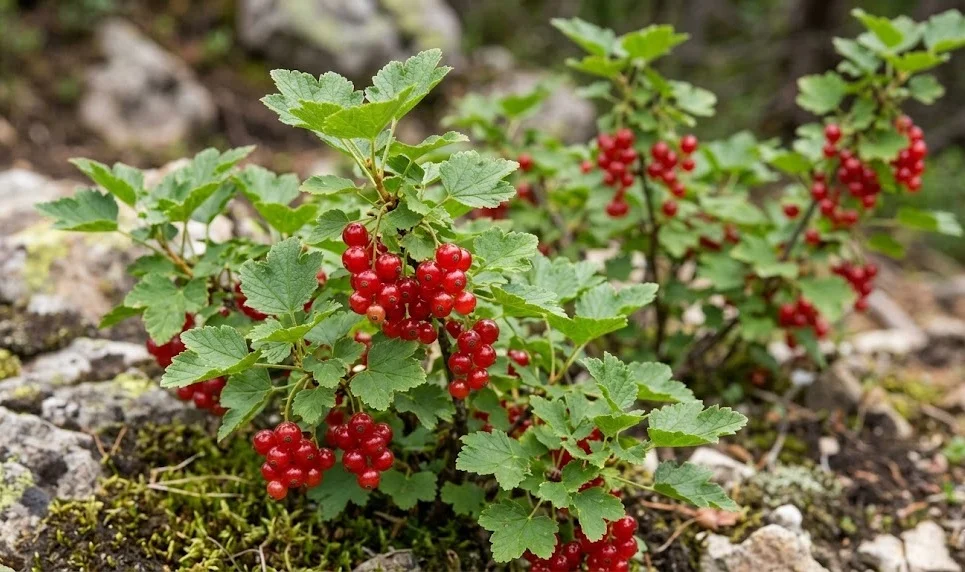
To maximize the longevity of the alpine currant, you need to think about the long-term impact of your maintenance choices. Regular soil testing can provide insights into what the plant might be lacking in terms of minerals or pH balance. You should also consider the biodiversity of the garden, as a healthy ecosystem naturally supports the plant’s defense mechanisms. Consistency is the most important factor when it comes to the general upkeep of this specific species.
Soil management and health
The foundation of any successful gardening project is the soil, and this shrub is no exception to that rule. You should aim for a soil structure that is well-draining yet capable of holding onto some moisture during the hottest parts of the day. Testing the organic matter content will help you determine if you need to add compost or other amendments. Improving the soil structure is a gradual process that yields excellent results over several growing cycles.
More articles on this topic
Using organic mulch around the base of the plants can help regulate the temperature of the root zone. You should apply a layer of wood chips or shredded leaves in the spring to help the soil stay cool. This layer also acts as a slow-release source of nutrients as it decomposes over time. It is important to leave a small gap around the main stem to prevent moisture-related rot issues.
Maintaining the correct pH level is crucial for the efficient uptake of nutrients from the ground. You will find that these shrubs prefer slightly acidic to neutral conditions, though they are quite adaptable. If the soil is too alkaline, you might notice a yellowing of the leaves, which indicates a nutrient deficiency. Adjusting the pH should be done carefully with the appropriate soil conditioners recommended by experts.
Aeration of the soil is another often overlooked aspect of plant care that can make a huge difference. You should periodically loosen the surface of the ground to prevent compaction, which can suffocate the roots. Be careful not to dig too deeply, as the root system of this shrub can be relatively shallow. Healthy soil allows for better air circulation and water penetration, leading to a much stronger plant.
Seasonal observations and adjustments
As the seasons change, your approach to maintenance should adapt to the specific needs of the shrub. In the spring, you should look for the first signs of budding and ensure there is no frost damage. This is the time when the plant is most active, so providing the right conditions is absolutely vital. You might need to adjust your schedule based on the local weather patterns of that particular year.
More articles on this topic
During the height of summer, the main goal is to prevent dehydration and heat exhaustion in the foliage. You should observe the leaves for any signs of wilting or discoloration that could suggest heat stress. Providing some temporary shade during extreme heatwaves can be beneficial for younger or newly moved plants. It is a period of maintenance rather than aggressive growth, so keep the interventions minimal.
When autumn arrives, the plant begins to prepare for its dormant phase, and your care should reflect this transition. You should gradually reduce any supplemental feeding to allow the new growth to harden off before the first frost. This is also a good time to clear away fallen leaves that might harbor pathogens over the winter. Preparing the plant properly in the fall ensures a much smoother transition into the following spring.
Winter care is mostly about protection and ensuring the plant remains undisturbed during its rest. You should check the mulch layer to make sure it is still intact and providing enough insulation. Heavy snow should be gently brushed off the branches to prevent them from snapping under the weight. Even though the plant looks inactive, it is still processing small amounts of moisture and energy.
Competition and weed control
Managing the growth of weeds around your shrubs is essential for maintaining a clean and professional look. You should remove any unwanted plants as soon as they appear to prevent them from setting seeds. Weeds compete for the same water and nutrients that your alpine currant needs to thrive. Using a hand tool is often the safest way to clear the area without damaging the shrub’s roots.
Long-term weed management can be achieved through the use of landscape fabrics or thick layers of mulch. You should choose a solution that allows for air and water exchange while suppressing weed germination. If you choose fabric, make sure to cover it with an attractive layer of stone or bark. This creates a barrier that significantly reduces the amount of time you spend on manual labor.
In some cases, ground cover plants can be used to naturally outcompete weeds in the surrounding area. You should select low-growing species that do not have aggressive root systems. This creates a more natural and biodiverse environment while protecting the soil surface. It is a sustainable way to manage the landscape while adding extra visual interest to the garden.
Chemical weed control should be a last resort and used with extreme caution near your ornamental shrubs. You must ensure that any herbicide used does not drift onto the foliage of the alpine currant. It is often better to use organic methods that do not risk the health of the primary plant. Always follow the manufacturer’s instructions carefully if you decide to use any professional grade products.
Maintaining hedge density
If you are growing this shrub as a hedge, maintaining a high level of density is your primary aesthetic goal. You should encourage lateral branching by performing light tips-pruning during the growing season. This prevents the hedge from becoming leggy or sparse at the bottom where light is limited. A dense hedge provides better privacy and a more effective windbreak for the rest of your garden.
The timing of your interventions will determine how well the hedge fills in over time. You should wait until after the initial spring growth spurt to perform the first shaping of the season. This allows the plant to use its natural energy to produce plenty of new leaves and stems. Regular maintenance prevents the need for drastic cuts that can leave unsightly holes in the green wall.
Proper spacing during the initial planting phase is the biggest factor in long-term hedge density. You should follow the professional guidelines for distance between individual plants to ensure they merge seamlessly. If they are too far apart, they may never create a solid screen, regardless of how much you prune them. If they are too close, they may compete too much and suffer from poor air circulation.
Monitoring the interior of the hedge is just as important as looking at the outside surface. You should occasionally check for dead wood or thin spots that might need extra attention. Removing dead branches from the inside allows more light to reach the center of the plant. This promotes inner leaf growth, which contributes significantly to the overall thickness of the hedge.
Diagnostics and health monitoring
Being able to identify potential health issues before they become serious is a hallmark of an expert gardener. You should regularly inspect the undersides of the leaves for any signs of small insects or eggs. Changes in leaf color or texture can be early indicators of nutrient imbalances or environmental stress. Taking photos of the plant at different stages can help you track its progress and spot anomalies.
If you notice a sudden decline in the plant’s health, you should check the stem and root collar for damage. Rodents or other small animals can sometimes chew on the bark during the winter months. This can girdle the plant and prevent nutrients from moving between the roots and the branches. Early detection of such physical damage allows you to take protective measures immediately.
Environmental factors like soil compaction or poor drainage can manifest as overall stunted growth. You should investigate the soil consistency if the plant fails to produce a healthy amount of new foliage. Sometimes the solution is as simple as redirecting a downspout or adding some organic matter. Professional diagnostics involve looking at the whole system rather than just the visible symptoms.
If you are unsure about a specific problem, consulting with a local horticulturalist can provide valuable insights. You can also use online resources or gardening apps to help identify specific pests or diseases. It is always better to be proactive and seek advice than to wait until the plant is beyond saving. Knowledge is your most powerful tool when it comes to long-term plant care.
Tools and equipment for care
Using the right tools makes the job of caring for your shrubs much easier and more effective. You should invest in a high-quality pair of bypass pruners for clean and precise cuts. Keeping your tools sharp is essential for the health of the plant, as clean cuts heal much faster. You should also disinfect your blades between different plants to prevent the spread of pathogens.
For larger hedges, a set of manual hedge shears or a well-maintained electric trimmer might be necessary. You should choose equipment that is comfortable to hold and easy to maneuver around the shrub. Heavy-duty gloves will protect your hands from scratches and blisters during long maintenance sessions. Having the right gear on hand ensures that you can perform tasks when the timing is perfect.
A reliable watering system, whether it is a simple hose or a complex drip irrigation setup, is indispensable. You should ensure that your delivery method reaches the root zone without wasting water through evaporation. Timers can be a great addition to your equipment list to ensure consistency during your absence. Measuring the amount of water delivered helps you avoid both overwatering and underwatering.
Finally, having a dedicated space to store and organize your gardening supplies will save you time. You should keep your fertilizers, soil amendments, and tools in a dry and protected environment. Regularly maintaining your equipment, such as oiling metal parts and cleaning handles, extends their lifespan. A professional approach to your tools reflects the professional quality of the care you give to your plants.