
Cultivating a thriving cider gum requires a foundational understanding of its unique biological needs and environmental preferences. This elegant evergreen tree is highly valued for its striking silver-blue foliage and its remarkable ability to adapt to various garden settings. To ensure the plant remains healthy and vibrant throughout the seasons, a dedicated approach to its maintenance is absolutely essential for any gardener. By focusing on the specific requirements of the species, you can enjoy its aromatic presence and aesthetic beauty for many years to come.
Establishing the right environment starts with selecting a location that offers both space and stability for the root system to develop. The tree can grow quite rapidly under the right conditions, meaning that early placement decisions will impact its long-term health significantly. You should consider the ultimate height and spread of the tree to avoid future conflicts with nearby structures or other plants. Soil quality also plays a pivotal role in the early stages of growth, as the plant prefers well-draining medium that prevents root rot.
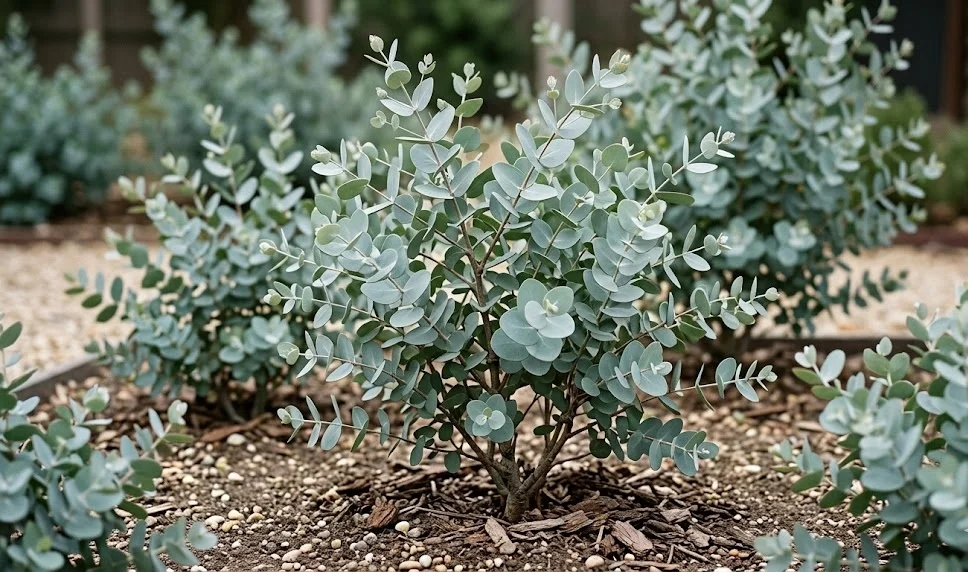
Once the tree is settled, monitoring its progress during the first few growing seasons is critical for establishing a hardy specimen. Young trees are generally more sensitive to environmental fluctuations than mature ones, requiring more frequent checks for hydration and stability. You might notice that the juvenile leaves have a distinct round shape, which is one of the most attractive features of the plant. As the tree matures, these leaves will eventually transition into a more elongated, lance-shaped form that is characteristic of the adult phase.
Maintaining the aesthetic appeal of the cider gum involves a balance between natural growth and occasional intervention. While the tree possesses a naturally graceful form, you may find that light maintenance helps highlight its best features. Keeping the area around the base free from aggressive weeds ensures that the tree does not have to compete for vital nutrients and water. Regular observation allows you to identify any subtle changes in leaf color or bark texture that might indicate a need for adjusted care.
Soil quality and preparation
The success of your cider gum depends heavily on the composition and texture of the soil in which it is planted. This species thrives best in acidic to neutral soil, although it can tolerate slightly alkaline conditions if managed properly. Providing a loamy, well-drained foundation is the most effective way to encourage deep root penetration and vigorous canopy growth. You should avoid heavy clay soils that retain excessive moisture, as this can lead to oxygen deprivation in the root zone.
More articles on this topic
Before planting, it is often beneficial to incorporate organic matter such as well-rotted compost or leaf mold into the site. This preparation improves the soil structure and provides a slow-release source of essential micronutrients for the young tree. You should dig a hole that is significantly wider than the root ball to allow the roots to spread easily into the surrounding earth. Ensuring that the soil is loose and friable will facilitate quicker establishment and reduce the stress of transplantation.
Drainage is perhaps the most critical factor to consider when evaluating the soil conditions for this specific tree. If you are dealing with a site that tends to hold water, you might consider planting on a slight mound or installing drainage solutions. Stagnant water around the roots is one of the few things that can quickly compromise the health of an otherwise hardy tree. Testing the drainage capacity by filling the planting hole with water and observing how quickly it clears is a professional and practical step.
Long-term soil health can be maintained through the application of organic mulch around the base of the tree. Mulching helps to regulate soil temperature, retain necessary moisture, and suppress the growth of competing vegetation. You should be careful to keep the mulch a few inches away from the trunk to prevent moisture buildup against the bark, which can cause decay. Over time, the decomposition of the mulch will continue to enrich the soil and support a healthy microbial ecosystem.
Environmental conditions and placement
Finding the perfect spot in your landscape involves more than just looking at the available sunlight and soil. Cider gum trees are native to cooler regions, which makes them surprisingly resilient to frost and lower temperatures compared to other varieties. However, they still appreciate a position that is sheltered from the most harsh and drying winter winds. Protecting the young sapling from extreme wind exposure will prevent physical damage to the trunk and help it maintain a straight growth habit.
More articles on this topic
The proximity to other large trees and buildings should be carefully calculated to ensure the cider gum has room to breathe. Proper air circulation is vital for preventing the buildup of humidity within the canopy, which can sometimes lead to fungal issues. You should visualize the tree at its full maturity to ensure it won’t overshadow smaller decorative plants that require more light. Giving the tree its own space allows its unique architectural form to be fully appreciated from different angles in the garden.
Urban environments can pose specific challenges such as soil compaction and restricted root zones that you must address. If planting in a more confined space, ensure that the soil volume is sufficient to support the tree as it grows larger. You should also be mindful of underground utilities or drainage pipes that could be interfered with by the expanding root system. Selecting a site with deep soil will allow the tree to anchor itself firmly and resist the leaning that can occur in shallow ground.
Microclimates within your garden can also influence how well the tree performs over the long term. A south-facing slope might provide extra warmth during the spring, which can stimulate earlier growth but might also increase water demand. Conversely, a lower-lying area might collect frost, which could damage tender new shoots during an unseasonably cold night. Understanding these nuances helps you make an informed decision that minimizes the need for corrective measures later on.
Juvenile foliage management
One of the primary reasons gardeners choose this tree is for the stunning silvery-blue juvenile foliage that covers the branches. These rounded leaves are highly sought after by florists and can be maintained for longer periods through specific management techniques. If you prefer the look of the juvenile leaves, you can employ a method called coppicing or pollarding to stimulate new growth. This involves cutting the tree back significantly to encourage the production of fresh, round leaves from the base or trunk.
The transition from juvenile to adult foliage is a natural process that occurs as the tree reaches a certain height and maturity. Adult leaves are typically longer, narrower, and have a slightly darker green or greyish hue compared to the younger ones. You will notice that the tree starts to look very different once this change takes place, shifting from a shrub-like appearance to a more traditional tree form. If you enjoy this transition, you can simply let the tree grow naturally without heavy intervention.
Managing the foliage density is also important for the overall health and aesthetics of the cider gum. Thinning out overcrowded branches can improve light penetration to the inner parts of the canopy, which keeps the interior leaves healthy. This practice also reduces the weight on the main branches, which can be beneficial during heavy rain or snowfall. You should always use sharp, clean tools to make precise cuts that heal quickly and do not invite pathogens into the plant.
The aromatic oils found in the leaves are another delightful characteristic that you will encounter while managing the foliage. These oils are most potent when the leaves are crushed or during periods of warm, still weather when the scent lingers in the air. Many gardeners find this fragrance to be one of the most rewarding aspects of caring for the tree. By maintaining a healthy canopy, you ensure a consistent supply of these fragrant leaves for both garden enjoyment and indoor arrangements.
Monitoring growth and development
As the cider gum progresses through its life cycle, regular monitoring becomes a key part of your gardening routine. Rapid growth is common, and you might be surprised by how many feet the tree can add to its height in a single season. Observing the vertical progress helps you determine if the tree is getting the right balance of nutrients and sunlight. If growth seems stunted or lopsided, it might be an indication that something in the environment needs to be adjusted.
The bark of the tree is another interesting feature that changes as the specimen develops and matures over time. On younger trees, the bark is often smooth and may exhibit various shades of green, cream, or brown. As the tree ages, the bark begins to peel away in long ribbons or flakes, revealing new textures and colors underneath. This natural shedding is a healthy sign of growth and adds a beautiful tactile element to the garden landscape.
Root development is just as important as what is happening above the ground, though it is much harder to see directly. You can look for signs of a healthy root system by checking the stability of the tree and the vigor of the new shoots. A tree that is well-anchored and producing plenty of new leaves usually has a strong and expansive root network. If you notice any lifting of the soil or visible roots near the surface, you may need to add more soil or mulch.
Keeping a simple garden journal can be a great way to track the development of your tree over several years. You can note when the first new leaves appear in the spring or how the tree responded to a particularly dry summer. This information is invaluable for fine-tuning your care routine and predicting the future needs of the plant. Over time, you will develop a deeper connection with the tree and a better understanding of its unique personality.
Aesthetic considerations and landscaping
Integrating a cider gum into your overall landscape design requires a bit of artistic vision and practical planning. The cool, silvery tones of the foliage provide a wonderful contrast to the deep greens and bright colors of other garden plants. You can use the tree as a focal point in a large lawn or as a backdrop for a mixed border of shrubs and perennials. Its airy and upright habit makes it a versatile choice for many different garden styles, from modern to traditional.
The way light interacts with the leaves can create stunning visual effects at different times of the day. In the early morning or late afternoon, the low sun can make the silvery foliage seem to glow with a metallic sheen. You should consider the sightlines from your home or patio to ensure you can enjoy these beauty moments regularly. Strategic placement near a water feature can also enhance the cooling and calming effect that the tree brings to the environment.
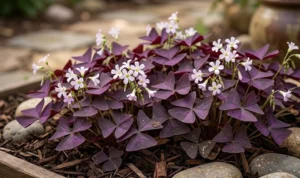
Companion planting can help accentuate the beauty of the cider gum while also providing ecological benefits. Plants with purple or burgundy foliage look particularly striking when paired with the blue-grey leaves of the eucalyptus. You might also consider underplanting with low-growing groundcovers that thrive in the same soil conditions and don’t compete for surface moisture. This creates a layered and cohesive look that makes the tree feel like a natural part of the garden ecosystem.
The size and scale of the tree should always be in harmony with the rest of your outdoor space and structures. If you have a smaller garden, you may need to commit to more regular pruning to keep the tree at a manageable size. For those with larger properties, allowing the tree to reach its full majestic height can create a sense of permanence and grandeur. Regardless of the size of your garden, this tree offers a unique elegance that is hard to match with other species.
Long term health and sustainability
Ensuring the longevity of your cider gum involves a commitment to sustainable gardening practices and careful observation. A healthy tree is much more capable of resisting environmental stress and recovering from minor damage. By providing the right foundation and consistent care, you are setting the stage for a tree that can live for decades. This long-term perspective is what separates a casual gardener from a true steward of the landscape.
As the tree reaches maturity, its maintenance requirements often decrease, but the importance of periodic checks remains. You should look for any signs of structural weakness in the branches, especially after major storms or heavy winds. Large, heavy limbs may sometimes need professional assessment to ensure they do not pose a risk to the surrounding area. Keeping the tree structurally sound is a vital part of responsible tree ownership and ensures a safe environment.
Sustainability also means considering the impact of your gardening choices on the local wildlife and environment. While cider gum is not native to many regions, it can still provide shelter and nesting sites for various bird species. The flowers, though often small and inconspicuous, can be a source of nectar for bees and other pollinators during the blooming season. By maintaining a chemical-free environment, you support a healthy and diverse ecosystem around your tree.
Finally, the joy of growing a cider gum comes from the steady presence it provides in your garden year after year. It is a tree that rewards patience and attention with its unique beauty and resilient nature. Whether you are using it for its decorative foliage or its impressive stature, it remains a favorite among gardening enthusiasts for good reason. With the right care and respect for its needs, your tree will continue to be a highlight of your landscape for a very long time.