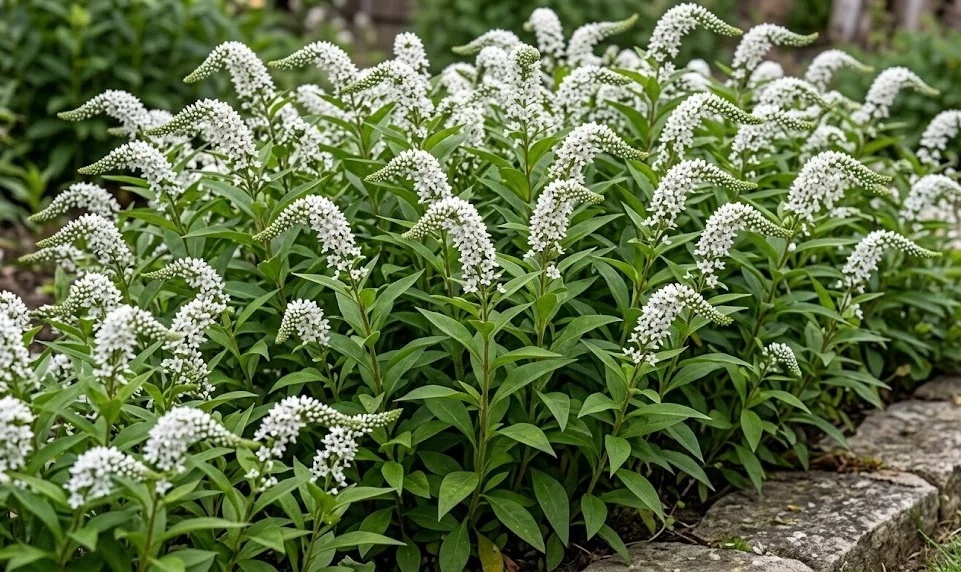

Understanding the light requirements of gooseneck loosestrife is essential for any gardener who wants to maximize its flowering potential and overall health. This versatile perennial is known for its ability to adapt to various light conditions, ranging from bright sunshine to gentle shade. However, the specific amount of light it receives will directly influence the thickness of its foliage and the abundance of its blooms. A professional approach to lighting will help you find the perfect spot in your landscape for this unique white-flowered plant.
In its natural habitat, this species is often found along the edges of woodlands and in meadows where light is filtered and moisture is plentiful. This background tells us that it is a plant that appreciates a balance between light intensity and environmental coolness. While it is quite hardy, extremes in either direction—too much intense heat or too much deep shade—can lead to less than ideal results. Finding the “sweet spot” for light is the secret to achieving those iconic, perfectly arched flower spikes.
Full sun is often recommended for the most prolific blooming, as the energy from the sun fuels the production of those spectacular white flowers. In areas with at least six to eight hours of direct light, the stems will grow strong and upright, and the colony will spread vigorously. However, in regions with very high summer temperatures, full sun can sometimes lead to scorched leaves if moisture is not consistently available. A smart gardener always considers the relationship between light and water when placing this perennial.
In this guide, we will explore how different light levels affect the growth and appearance of your gooseneck loosestrife. We will discuss the benefits of partial shade and how to manage the plant’s needs in less-than-perfect locations. By following these expert insights, you can ensure that your plants receive exactly the right amount of light to thrive in your specific microclimate. Let’s look closer at the role of the sun in the life of this beautiful and adaptable garden favorite.
Optimal sun exposure for maximum blooming
For the best possible floral display, gooseneck loosestrife should ideally be planted in a location that receives full sun for the majority of the day. The energy provided by direct sunlight is the primary driver for the development of the large, arching flower spikes that make this plant famous. In a sunny spot, you can expect the plants to reach their full height and produce the densest clusters of white blooms. The stems will also be sturdier and less likely to flop over during heavy rain or wind events.
More articles on this topic
Morning sun is particularly beneficial because it is bright and energizing without the intense heat of the late afternoon. If you can provide your plants with four to six hours of direct morning light, they will often perform beautifully even if they are in light shade later in the day. This setup allows the dew to evaporate quickly from the foliage, which is an excellent way to prevent fungal diseases like leaf spot. The plants will remain vibrant and healthy, showing off their best green colors throughout the entire summer.
In cooler northern climates, full sun is almost always the best choice because the summer heat is rarely intense enough to cause stress. In these regions, the plants can handle as much light as you can give them, provided the soil remains consistently moist. The extra sunlight will also help the foliage develop those beautiful copper and red tones more intensely when the autumn arrives. Maximizing sun exposure in cooler zones is the professional way to ensure a long and successful growing season.
If your garden is naturally very sunny, you must be extra diligent about your watering routine to keep the plants from wilting. The combination of intense light and dry soil is the only thing that can truly slow down the growth of this resilient species. Adding a thick layer of mulch will help keep the root zone cool while the tops of the plants enjoy the bright sunshine. Balancing light exposure with moisture management is the hallmark of a truly skilled and professional horticulturist.
Shade tolerance and its effect on growth
While gooseneck loosestrife is famous for its love of the sun, it is surprisingly tolerant of partial shade conditions. In many gardens, it performs excellently in spots that receive only filtered light or are shaded for half of the day. This adaptability makes it a valuable plant for those tricky transition areas between a sunny lawn and a shaded woodland garden. However, there are some noticeable trade-offs in growth and appearance when the light levels are lower.
More articles on this topic
In shaded environments, the plant tends to grow slightly taller and more “leggy” as it reaches upward in search of more light. The stems may become a bit thinner and less robust, which might occasionally require some light staking if they begin to lean. You may also notice that the colony spreads a bit more slowly in the shade compared to its vigorous growth in full sun. For some gardeners with smaller spaces, this slower growth rate can actually be a welcome benefit of a shadier location.
The most significant impact of shade is usually on the number and size of the flower spikes produced each summer. In deep shade, the plant may still produce its beautiful white flowers, but they will likely be fewer in number and perhaps a bit smaller in size. The characteristic “gooseneck” curve may also be less pronounced if the plant is struggling to find enough light to support its full architectural potential. However, the lush green foliage will usually remain very attractive even in lower light levels.
If you choose to plant in a shaded area, try to ensure it is “bright shade” rather than a dark, dense corner of the yard. Dappled light from high-canopy trees is often perfect, providing a mix of light and shadow throughout the day. This mimicking of its natural forest-edge habitat often results in very healthy, though perhaps less floriferous, plants. Understanding these nuances allows you to use gooseneck loosestrife effectively in many different parts of your landscape design.
Managing light and heat in southern climates
In warmer southern regions, the intense afternoon sun can be a bit too much for the delicate foliage of the gooseneck loosestrife. Gardeners in these areas often find that their plants perform best when they receive bright morning light followed by protection from the harsh midday rays. A spot on the east side of a building or under the light shade of a deciduous tree is often the ideal compromise. This placement keeps the plants cool enough to prevent the leaves from scorching or turning brown at the edges.
Heat stress is often more of a problem than the light itself in southern gardens, especially during the humid months of July and August. When the temperatures stay consistently high, the plant’s transpiration rate increases significantly, making it harder for the roots to keep up. Providing some shade during the hottest part of the day acts as a natural air conditioner for the plant, reducing its water loss. This professional strategy helps maintain the lush look of the foliage even when the weather is at its most challenging.
If your plants are in a spot that gets too much hot sun, you may notice that the leaves lose their vibrant green color and look a bit bleached. This is a clear sign that the plant is receiving more light than it can safely process given the ambient temperature. Moving the plants to a slightly more protected location in the autumn can solve this problem for the following year. Alternatively, planting taller, heat-tolerant perennials nearby can provide some natural “nurse shade” for the loosestrife.
Finally, always remember that the light requirements of your garden will change over time as trees and shrubs grow and mature. A spot that was once in full sun may become partially shaded in just a few years as the surrounding landscape develops. Regularly observing how your gooseneck loosestrife responds to these changes will help you decide if any adjustments are needed. Being an expert gardener means staying in tune with the shifting patterns of light and shadow in your outdoor space.