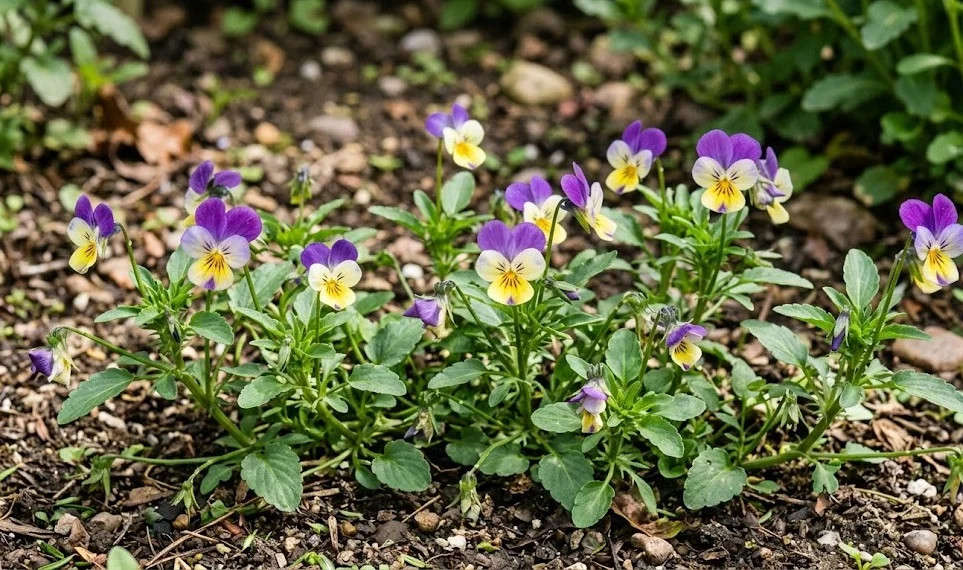

The wild pansy is a versatile and charming addition to any garden landscape, offering a splash of color even in the cooler months. It is known for its delicate flowers and its ability to thrive in various climates across the globe. Proper care starts with understanding the unique physiological needs of this specific floral variety throughout its life cycle. Gardeners often appreciate its resilience, but achieving the best bloom requires a nuanced approach to daily maintenance.
Maintaining a healthy environment is crucial for ensuring the longevity of these beautiful plants. You should always keep an eye on the leaves for any signs of discoloration or wilting. Healthy foliage serves as the primary indicator that the plant is receiving adequate nutrients and water. Regular inspection helps in identifying potential issues before they become systemic problems for the whole bed.
The growth habit of this species is relatively compact, making it suitable for both borders and containers. It tends to spread slightly as it matures, creating a dense mat of greenery and blossoms. Space management is an essential part of the care routine to prevent overcrowding. Ensuring proper airflow between individual plants will significantly reduce the risk of humidity-related complications.
Temperature plays a vital role in how the plant develops its iconic three-colored petals. While it enjoys cooler weather, extreme fluctuations can cause the plant to enter a dormant state prematurely. Consistent monitoring of local weather patterns allows for timely adjustments in the garden. Providing a stable microclimate will reward the grower with a longer flowering period and more vibrant hues.
Soil and site preparation
Selecting the right spot in the garden is the foundation of long-term success with these flowers. They prefer soil that is rich in organic matter and has excellent drainage properties. Heavy clay soils should be amended with compost or sand to improve the texture for the roots. A slightly acidic to neutral pH range is generally considered ideal for optimal nutrient uptake.
More articles on this topic
Drainage is perhaps the most critical factor when preparing the site for your pansies. Standing water can quickly lead to root rot, which is often fatal for these delicate plants. Incorporating grit or fine gravel into the planting hole can help facilitate better water movement. Raised beds are also an excellent option if the natural soil in your area is prone to waterlogging.
The location should also take into account the intensity of the sun throughout the day. While they love the light, the scorching midday sun in summer can be too intense for their tender stems. Finding a balance between morning sunlight and afternoon shade will produce the most consistent growth. Observe the shadows in your garden for a few days before deciding on a permanent planting spot.
Soil preparation should ideally happen a few weeks before you intend to put the plants in the ground. This allows the added organic material to begin breaking down and integrating with the existing soil structure. Turning the soil over deeply ensures that the root system can expand without hitting hard compacted layers. A well-prepared bed provides the perfect start for a healthy and productive growing season.
Seasonal maintenance routines
As the seasons change, the needs of the wild pansy evolve to match the environmental conditions. During the spring, the focus should be on supporting rapid growth and the first flush of flowers. This is the time when the plant is most vigorous and requires consistent attention. Removing spent blooms early on will encourage the plant to put its energy into new flower production.
More articles on this topic
When the summer heat arrives, the primary goal shifts toward preservation and cooling. Mulching around the base of the plants can help retain soil moisture and keep root temperatures down. You might notice a decrease in flowering during the hottest weeks, which is a natural survival mechanism. Providing supplemental shade during heatwaves can help the plants survive until the cooler autumn air returns.
The autumn season often brings a second wind for the wild pansy, as the cooler nights trigger more blooming. This is an excellent time to assess the overall health of the plants after the stresses of summer. Adding a light layer of fresh compost can provide a gentle nutrient boost for this late-season growth. Keeping the area free of fallen leaves will prevent rot and fungal issues from developing in the damp weather.
Winter care focuses on protection from extreme frost and drying winds. In many regions, these plants can survive the cold if they are given a little bit of help. Covering them with specialized garden fleece during the coldest nights can make a significant difference. Checking the soil moisture during dry winter spells is also important, as the plants can still suffer from dehydration even in the cold.
Monitoring growth and development
Tracking the progress of your plants allows you to understand their specific rhythm in your unique garden climate. Note the time it takes from the first leaves appearing to the opening of the first flower bud. This information is invaluable for planning future garden displays and ensuring continuous color. Each variety might have slightly different growth rates that are worth documenting for personal reference.
The size of the flowers can often tell you a lot about the health of the plant. If the blossoms are becoming smaller over time, it may indicate a lack of nutrients or excessive heat stress. Healthy plants will produce consistent, well-formed flowers throughout their primary blooming season. Adjusting your care routine based on these visual cues is the mark of an experienced gardener.
Leaf color is another vital metric for monitoring the development of the wild pansy. Deep green leaves usually indicate a well-fed plant with a strong root system. Yellowing of the lower leaves can suggest overwatering or a nitrogen deficiency that needs addressing. Catching these signs early prevents the plant from becoming too weak to support its own weight.
Root development is harder to see but can be checked by gently feeling the soil around the base. A firm plant that does not wiggle easily in the ground usually has a well-established root network. If a plant feels loose, it might be suffering from pest damage or poor soil structure. Maintaining a stable foundation is key to the plant’s ability to withstand wind and heavy rain.
Interaction with other species
The wild pansy is an excellent companion plant for many other garden favorites. It works beautifully when planted alongside spring bulbs like tulips and daffodils, covering the bare soil between them. The low-growing nature of the pansy provides a living mulch that benefits the taller bulbs. Choosing colors that complement each other can create a truly professional landscape design.
When planting in mixed containers, it is important to choose partners with similar water and light requirements. Lobelia or sweet alyssum are great choices that share the pansy’s love for cooler conditions. Avoid pairing them with aggressive spreaders that might choke out the pansy’s delicate root system. A balanced community of plants ensures that every individual has enough room to flourish.
Insects are also an important part of the plant’s interaction with the wider environment. The open faces of the flowers are attractive to early-season pollinators like bees and butterflies. Encouraging these beneficial insects helps with the overall health of the entire garden ecosystem. Avoid using harsh chemicals that might harm these visitors while they are foraging on your pansies.
Competition for resources is a natural part of any garden bed where multiple species coexist. You should ensure that the taller neighbors do not cast too much permanent shade over the pansies. Regularly thinning out surrounding foliage will keep the light levels appropriate for the lower-growing flowers. A harmonious garden requires constant management of these spatial and biological relationships.
Common maintenance mistakes
One of the most frequent errors is planting the wild pansy too deeply in the soil. The crown of the plant, where the stems meet the roots, should be level with the soil surface. Planting it too deep can lead to crown rot, which quickly destroys the entire plant. Always double-check the depth before firming the soil around the base of the new transplant.
Over-fertilizing is another mistake that many well-meaning gardeners make in pursuit of more flowers. Too much nitrogen can result in lush green foliage but very few actual blossoms. It can also make the plant stems weak and more susceptible to pests and diseases. Following a balanced feeding schedule is much more effective than providing sudden, massive doses of nutrients.
Neglecting to deadhead the spent flowers is a common oversight that shortens the blooming season. When the plant starts producing seeds, it naturally slows down its flower production to save energy. By removing the fading blooms, you trick the plant into continuing its reproductive cycle through more flowers. This simple task only takes a few minutes but yields significant visual rewards.
Ignoring the early signs of pest infestations can lead to a rapid decline in the health of the garden. Aphids and slugs are particularly fond of the tender leaves and stems of the wild pansy. Checking the undersides of the leaves once a week can help you catch these intruders early. Small problems are much easier to manage than full-scale outbreaks that require more drastic measures.
Longevity and rejuvenation
While often treated as annuals, wild pansies can sometimes behave like short-lived perennials under the right conditions. To extend their life, you can perform a mid-season rejuvenation by cutting back the stems. This encourages the plant to produce fresh new growth from the base, leading to a bushier appearance. Doing this just as the plant begins to look leggy can provide a whole new lease on life.
Dividing older plants is another way to maintain vigor and expand your collection. Every few years, a large clump can be carefully lifted and split into smaller sections. Each new section should have a healthy set of roots and at least a few green stems. Replanting these divisions immediately into fresh soil will help them establish quickly and continue growing.
Collecting your own seeds is a rewarding way to ensure a fresh supply of plants for the following year. Allow a few choice flowers to go to seed at the very end of their peak season. Once the seed pods turn brown and start to crack, they can be harvested and dried. Storing them in a cool, dark place ensures they will be ready for sowing when the time is right.
Environmental adaptation is a key factor in the long-term success of any plant variety in your garden. Over time, the descendants of your original pansies may become better suited to your specific local conditions. Allowing some self-seeding can result in hardier plants that require less intervention from the gardener. This natural selection process creates a garden that is both beautiful and increasingly sustainable.