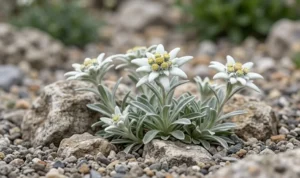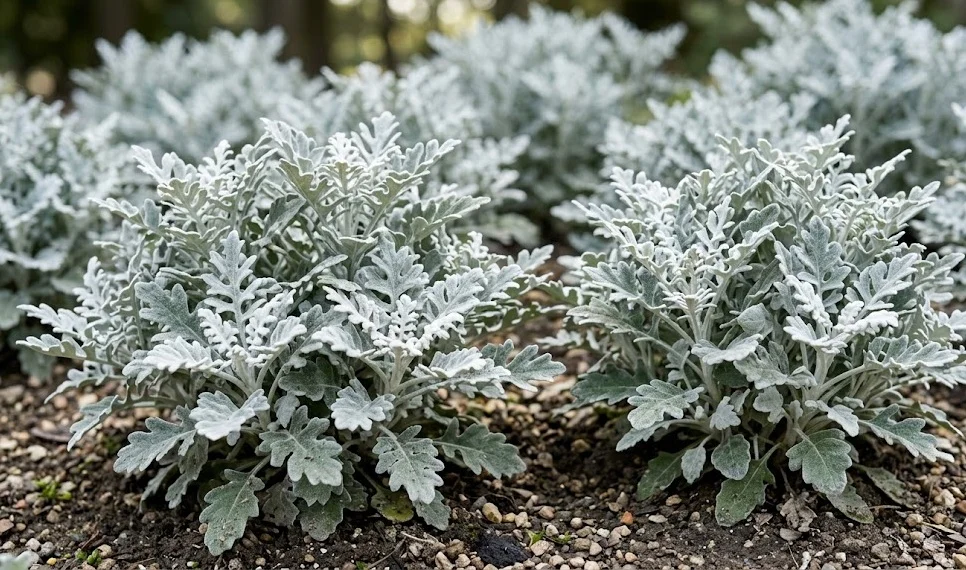

Starting your journey with silver ragwort begins with understanding the optimal timing and methods for introducing this plant into your garden environment. Whether you are working with seeds, cuttings, or nursery-bought starts, the success of your planting depends on several environmental factors. This plant is known for its adaptability, yet it requires a thoughtful approach to ensure it establishes a strong root system early on. By following professional guidelines, you can ensure that your silver ragwort becomes a long-lasting and vibrant part of your horticultural collection.
The ideal time to plant silver ragwort is during the early spring after the danger of the last frost has passed and the soil has begun to warm up. Planting during this window allows the roots to settle into their new home before the intense heat of the summer sun arrives. You should choose a day that is overcast or cool to minimize the transplant shock that the plant might experience during the moving process. A well-timed start provides the foundation for a lush and healthy display of silvery foliage that will last throughout the entire growing season.
Before you actually place the plant in the ground, you must prepare the site by removing any weeds and loosening the soil to a depth of at least twelve inches. This ensures that the roots can easily penetrate the earth and access the moisture and nutrients they need to grow. If your soil is particularly heavy or composed of thick clay, you should mix in some coarse sand or fine gravel to enhance the drainage. Silver ragwort is highly sensitive to “wet feet,” so creating an elevated planting mound can also be a very effective strategy for preventing rot.
When you are ready to plant, dig a hole that is twice as wide as the root ball but no deeper than the container the plant came in. Placing the plant too deep in the ground can lead to stem rot, while planting it too shallow may cause the roots to dry out too quickly. Gently tease the roots if they have become pot-bound to encourage them to grow outward into the surrounding soil. Once the plant is in place, backfill the hole with the amended soil and press down firmly to eliminate any large air pockets that could damage the roots.
Techniques for successful seed propagation
Propagating silver ragwort from seed is an economical way to produce a large number of plants for expansive garden borders or mass plantings. You should start the seeds indoors about eight to ten weeks before the last expected frost in your local area to give them a head start. Use a high-quality seed-starting mix that is light and sterile to prevent any soil-borne diseases from affecting the delicate seedlings. Sowing the seeds on the surface of the soil is best, as they require a certain amount of light to trigger the germination process.
More articles on this topic
Once the seeds have been sown, you should lightly press them into the soil surface to ensure good contact but avoid covering them with a thick layer of earth. Using a clear plastic dome or a simple piece of plastic wrap over the seed tray will help maintain the consistent humidity levels needed for germination. Place the tray in a bright location but away from direct, scorching sunlight which could overheat the young plants. You should typically see the first signs of green shoots appearing within two to three weeks if the temperature is kept around seventy degrees Fahrenheit.
As the seedlings grow and develop their first set of true leaves, you will need to thin them out to prevent overcrowding and ensure that the strongest plants have room to grow. This is also the time to begin a very light fertilization routine using a balanced, water-soluble fertilizer at half the recommended strength. Ensuring that the seedlings have plenty of airflow will help prevent “damping off,” a common fungal issue that can quickly kill young plants. Gradually harden off the seedlings by exposing them to outdoor conditions for increasing amounts of time each day before final transplanting.
The transition from the protected indoor environment to the garden is a critical phase for young silver ragwort plants grown from seed. You should wait until the weather is consistently warm and the nights are no longer chilly before moving them to their permanent outdoor locations. Choosing a spot with the same light and soil conditions you prepared for mature plants will ensure their continued success. With proper care during these early stages, your seed-grown plants will soon develop the thick, silvery texture that makes this species so famous.
Propagation through stem cuttings
For those who want to replicate a specific plant with particularly beautiful foliage, stem cuttings are the most reliable method of propagation. This technique allows you to create genetic clones of your favorite specimens, ensuring that the new plants will have the exact same characteristics as the parent. The best time to take cuttings is in the late summer or early autumn when the stems are firm but not yet fully woody. Using a sharp, sterilized pair of pruning shears is essential to make clean cuts that will heal quickly and resist infection.
More articles on this topic
Select a healthy, non-flowering shoot and cut a piece that is about four to six inches long, making the cut just below a leaf node. You should remove the leaves from the bottom half of the cutting to expose the nodes where the new roots will eventually form. Dipping the cut end into a rooting hormone powder can significantly increase your success rate, although it is not strictly necessary for this hardy species. Insert the cutting into a pot filled with a well-draining mixture of perlite and peat moss, ensuring it is deep enough to stand upright.
Maintain a humid environment for the cuttings by placing them in a simple cold frame or by using a plastic bag to create a mini-greenhouse effect. You should keep the potting medium consistently moist but never saturated, as too much water will cause the stems to rot before they can root. Place the cuttings in a bright, indirect light location where the temperature remains stable and avoids any sudden drafts. In about four to six weeks, you can test for root development by giving the cutting a very gentle tug to see if there is any resistance.
Once the cuttings have established a strong root system, they can be transplanted into individual pots with regular potting soil to continue their growth. It is often best to keep these young plants in a protected area or a greenhouse over their first winter before planting them out in the garden the following spring. This extra time allows them to build up their strength and develop a more robust structure. Propagation by cuttings is a satisfying way to expand your garden and share your favorite plants with fellow gardening enthusiasts.
Strategic placement and initial care
After your silver ragwort has been successfully planted or propagated, the first few weeks of care are vital for its long-term survival. You should provide regular watering to keep the soil slightly moist, which helps the roots establish themselves in the new environment. However, you must be careful not to overwater, as the plant still needs oxygen in the soil to function properly. Observing the plant’s reaction to the sun and wind during this time will tell you if it is happy in its new location.
Mulching around the base of newly planted silver ragwort can help retain moisture and suppress weeds that might compete for resources. Use a thin layer of organic mulch, such as shredded bark or compost, but keep it a few inches away from the plant’s stem to prevent rot. As the plant becomes more established, you can gradually reduce the frequency of watering as it develops its natural drought tolerance. A well-placed plant will soon begin to show signs of new growth, indicating that it has successfully adapted to its new home.
If you are planting silver ragwort in a high-traffic area, you might consider adding some small decorative stones or a low border to protect it from being stepped on. The young stems can be somewhat brittle and may break if they are handled roughly or accidentally kicked. Providing this physical protection ensures that the plant can grow to its full potential without any setbacks. Over time, the plant will become more resilient and better able to handle the minor bumps and bruises of garden life.
Finally, remember that the goal of planting and propagation is to create a sustainable and beautiful garden that brings joy for years to come. By taking the time to understand the specific needs of silver ragwort, you are investing in the future health and beauty of your landscape. Whether you are a seasoned expert or a novice gardener, the process of growing these silvery wonders is a deeply rewarding experience. Enjoy the journey as you watch your garden transform with the addition of these elegant and timeless Mediterranean plants.