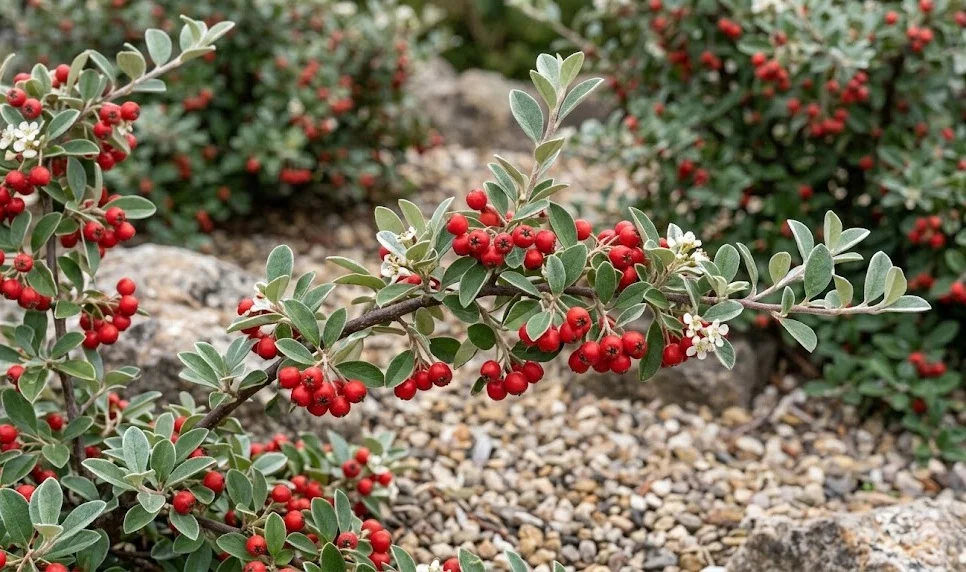

As the days grow shorter and the temperatures begin to drop, it is time to prepare your garden for the challenges of winter. The bright-beaded cotoneaster is a hardy evergreen, but a few simple steps can help it navigate the transition more smoothly. Proper preparation in late autumn ensures that the shrub enters dormancy in peak condition, ready to withstand freezing temperatures and heavy snow. Taking a proactive approach now will save time and potential disappointment when spring finally arrives.
One of the most important tasks is to ensure the plant is well-hydrated before the ground freezes solid. Evergreens continue to lose moisture through their leaves during the winter, a process known as transpiration. If the soil is dry when the freeze hits, the roots cannot replace this lost water, leading to winter desiccation or “winter burn.” Provide a couple of deep waterings in the weeks leading up to the first hard frost to build up the plant’s internal reserves.
Cleaning up the area around the base of the shrub is another vital part of the overwintering process. Remove any fallen leaves, weeds, or debris that could harbor pests or fungal spores during the colder months. This simple act of hygiene reduces the chances of diseases waking up alongside your plants in the spring. It also makes it easier to apply protective mulches and inspect the trunk for any signs of mechanical damage or rodent activity.
Avoid the temptation to do any major pruning late in the season, as this can stimulate new growth that is too tender to survive the cold. Instead, focus on removing only dead or clearly diseased wood that could break under the weight of snow. If your shrub is in a particularly exposed or windy location, you might consider setting up a temporary windbreak. A burlap screen can provide just enough protection to prevent the drying effects of harsh winter winds on the foliage.
Mulching techniques for root protection
A thick layer of organic mulch is one of the best investments you can make for the winter health of your shrubs. Mulch acts as an insulating blanket, helping to keep the soil temperature more stable and preventing the cycles of freezing and thawing. These temperature fluctuations can cause the soil to “heave,” which sometimes pushes young or shallow-rooted plants out of the ground. By maintaining a more consistent environment, you protect the delicate root system from physical stress.
More articles on this topic
The best materials for winter mulching are those that are coarse and won’t compact easily under the weight of snow. Shredded bark, wood chips, or even pine needles are excellent choices for a professional-looking and effective layer. You should aim for a thickness of about three to four inches, extending out to the drip line of the shrub. This coverage ensures that the entire root zone receives the benefits of the insulation and moisture retention.
When applying the mulch, it is crucial to leave a small gap of a few inches around the main stem or trunk of the plant. Mulch piled directly against the bark can trap moisture and create a perfect environment for rot or fungal infections. It can also provide a hidden highway for small rodents like voles, which might chew on the bark during the winter. A properly applied mulch “donut” provides all the protection the roots need without putting the upper plant at risk.
As the mulch slowly breaks down over the winter, it also contributes valuable organic matter to the soil. This improves the earth’s structure and fertility for the following growing season, making it a dual-purpose maintenance task. You should check the depth of the mulch once or twice during the winter to ensure it hasn’t been displaced by wind or animals. Maintaining this protective layer is a simple but essential part of expert garden stewardship during the dormant season.
Managing hydration during the winter months
Winter watering is a frequently overlooked aspect of gardening, but it is vital for the survival of evergreen species. In many regions, the winter can be surprisingly dry, and frozen ground can act as a barrier to moisture. If you experience a period of several weeks without precipitation and the ground is not frozen, you should consider a light watering. This is especially important for younger shrubs that have not yet developed an extensive root system.
More articles on this topic
When you do water in winter, it is best to do so early in the day when the temperatures are above freezing. This allows the water to soak into the soil before the temperature drops again at night, preventing ice from forming around the roots. Use a slow-trickle method to ensure the water penetrates deep into the ground rather than running off the surface. A little bit of extra attention during these dry spells can prevent significant foliage damage and branch dieback.
Reflected heat from south-facing walls or nearby paved surfaces can also accelerate moisture loss during sunny winter days. Plants in these microclimates may need more frequent checks than those in more sheltered or shaded parts of the garden. You can monitor the condition of the leaves for signs of curling or dullness, which are indicators of dehydration. Even in the middle of January, an evergreen plant is a living, breathing entity that requires basic life support.
For very large landscapes, a professional moisture meter can help determine if supplemental watering is truly necessary. This tool takes the guesswork out of the process and ensures that you are providing the right amount of care. Remember that the goal is to keep the roots hydrated, not to create a swampy environment that could lead to rot. A balanced approach to winter hydration is one of the secrets to having the most vibrant garden in the neighborhood come spring.
Assessing and repairing winter damage
Once the spring thaw begins, the first task of the expert gardener is to conduct a thorough inspection of the landscape. Look for signs of winter burn, which appears as brown or scorched-looking patches on the side of the shrub exposed to the wind. In most cases, the plant will naturally push out new growth to cover these areas as the season progresses. Be patient and wait until you see where the new buds are forming before you decide to prune away any damaged foliage.
Heavy snow and ice can sometimes cause branches to bend or even snap under the weight. If a limb is partially broken, it should be cleanly pruned back to a healthy node to prevent disease from entering the wound. If a branch is simply bent, you can often gently stake it back into its original position until it regains its strength. Early intervention prevents these minor structural issues from becoming permanent disfigurements of the shrub’s natural shape.
Check the bark near the base of the plant for any signs of chewing by rabbits or other small mammals. These animals often turn to the bark of woody shrubs as a food source when their usual options are buried under the snow. If the damage is minor, the plant can usually heal itself, but extensive girdling can be fatal to the branch or even the entire shrub. Protecting the base with a wire mesh guard in late autumn can prevent this problem from occurring in the first place.
Finally, take a moment to evaluate how your overwintering strategies worked and make notes for the following year. Perhaps a certain area needed more mulch, or a windbreak could have been positioned more effectively. Gardening is a continuous learning process, and every winter provides a wealth of information about the resilience of your plants. With a little bit of care and attention, your bright-beaded cotoneaster will emerge from the winter ready to start a new year of growth.