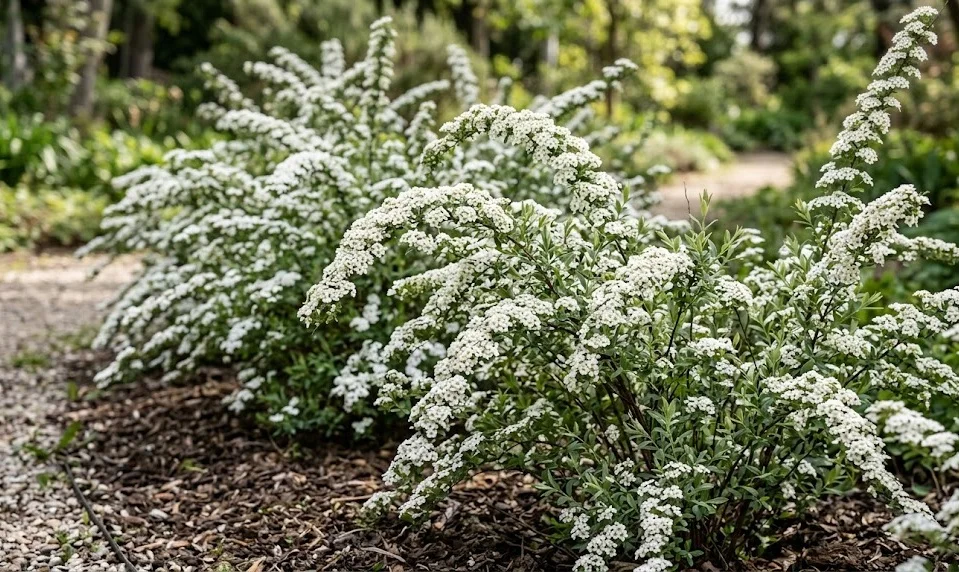

Caring for this elegant shrub requires a thoughtful approach to ensure its arching branches remain covered in white blossoms each spring. The garland spirea is known for its graceful habit and relatively low maintenance needs, making it a favorite for many landscape designers. However, achieving the best visual results depends on understanding its specific growth patterns throughout the seasons. Providing the right environment from the start will allow the plant to flourish without constant intervention.
General maintenance overview
Maintaining a healthy specimen involves regular observation of the plant’s overall vigor and foliage density. You should check the moisture levels in the soil frequently, especially during the transition between spring and summer heat. Removing dead or broken twigs immediately helps prevent any potential fungal infections from taking hold. A clean base around the shrub ensures that air circulates freely, which is essential for long-term health.
The seasonal rhythm of the plant dictates when you should be most active in your gardening tasks. During the early spring, focus on clearing away any debris that may have accumulated at the base over the winter months. As the flowers begin to fade, your attention should shift toward maintaining the structural integrity of the branches. Consistent care throughout the growing season prevents the shrub from becoming overly woody or sparse.
Soil management plays a crucial role in how the plant responds to various environmental stressors. A light layer of organic mulch can be applied to keep the roots cool and retain necessary moisture. This practice also helps suppress weeds that would otherwise compete for nutrients in the upper soil layers. Ensure the mulch is kept a few inches away from the main stems to avoid any moisture-related bark decay.
Every few years, you might notice that the center of the shrub becomes overly crowded with old growth. Taking the time to thin out these older stems encourages new, flexible shoots to emerge from the ground. This renewal process keeps the garland spirea looking youthful and maximizes its flowering potential. By paying attention to these small details, you ensure a spectacular display every single year.
More articles on this topic
Seasonal adjustments
Adapting your care routine to the changing weather is vital for the long-term success of the garland spirea. In the spring, the plant enters its most active phase as it prepares to burst into bloom. You will notice the buds swelling quickly as the temperature rises, signaling the need for consistent soil moisture. This period requires the most attention to ensure the flowering display is as dense and vibrant as possible.
As summer progresses and temperatures climb, the plant’s primary goal shifts toward maintaining its foliage and building energy for the next year. During periods of extreme heat, providing a deep soaking every few days is much more effective than light daily watering. This encourages the root system to grow deeper into the soil, providing better stability and drought resistance. Keeping the leaves hydrated prevents the tips from browning under the intense afternoon sun.
When autumn arrives, the growth rate naturally slows down as the plant prepares for its dormant phase. You should gradually reduce the frequency of your care tasks to allow the wood to harden off before the first frost. This transition is important because soft, new growth is highly susceptible to damage from freezing temperatures. Clearing away fallen leaves from the base of the shrub helps reduce the risk of overwintering pests.
Winter care is mostly passive, but it remains an important part of the overall management strategy. In areas with heavy snowfall, you may need to gently shake the branches to prevent them from bending or breaking under the weight. Avoid any heavy work or fertilization during this time, as the plant needs total rest to recover its energy. Checking the integrity of the branches after a storm ensures you can address any damage immediately when spring arrives.
More articles on this topic
Soil management
The foundation of a thriving garland spirea is the quality and structure of the soil in which it resides. These shrubs generally prefer well-draining soil that is rich in organic matter and slightly acidic to neutral. If your garden has heavy clay, you must incorporate compost or peat moss to improve the aeration and drainage. Poor drainage can quickly lead to root issues that are difficult to correct once established.
Regularly testing the soil pH can provide valuable insights into why a plant might not be performing at its peak. While this species is quite adaptable, extreme alkalinity can lead to nutrient deficiencies that manifest as yellowing leaves. Adding sulfur or specific acidifying fertilizers can help bring the pH back into the ideal range for the plant. Consistent monitoring prevents these issues from becoming chronic and affecting the shrub’s longevity.
Compaction is another common soil problem that can hinder the growth of your spirea over time. Foot traffic or heavy machinery near the planting site can squeeze the air out of the soil, making it hard for roots to expand. Periodically loosening the soil surface with a hand fork can help maintain a healthy environment for root respiration. Be careful not to dig too deeply, as the fine feeder roots are often close to the surface.
Incorporating organic amendments into the soil surface each year provides a slow release of essential nutrients. Well-rotted manure or garden compost not only feeds the plant but also improves the overall soil biology. Beneficial microbes and earthworms thrive in such environments, further enhancing the soil structure naturally. This holistic approach to soil health results in a much more resilient and vigorous shrub.
Space and placement considerations
Giving the garland spirea enough room to reach its natural size is a key aspect of proper care. When these shrubs are crowded, they often lose their beautiful arching form and become susceptible to diseases due to poor airflow. You should research the mature height and width of your specific variety before deciding on its permanent home. Proper spacing ensures that each plant can be appreciated as a focal point or a functional hedge.
Consider the proximity of the shrub to buildings or walkways where reflected heat might be an issue. Intense heat bouncing off a white wall can stress the foliage and cause premature leaf drop in the summer. Placing the plant in a location with natural airflow will help keep the canopy cool during the hottest parts of the day. This strategic placement reduces the amount of supplemental care required to keep the plant looking its best.
Interactions with neighboring plants should also be considered when planning your garden layout. Fast-growing trees might eventually cast too much shade, which can reduce the number of flowers the spirea produces. Conversely, aggressive groundcovers can compete for the same moisture and nutrients that the spirea needs for its spring display. Balancing the needs of all plants in the area creates a more stable and aesthetically pleasing ecosystem.
If you find that a plant has been poorly placed, transplanting is possible but requires careful timing. The best time to move an established spirea is during the dormant season, either in late autumn or very early spring. Ensuring you take as much of the root ball as possible will minimize transplant shock and allow for a quicker recovery. Once moved, the plant will require extra attention regarding watering for at least one full growing season.
Health monitoring
Regularly inspecting your shrubs allows you to catch potential problems before they escalate into major issues. Look for changes in leaf color, such as spots or unusual yellowing, which could indicate a nutritional imbalance or disease. The undersides of the leaves are often where pests hide, so make sure to check there during your routine walks. Early detection is almost always the key to using less invasive treatments for recovery.
Pay close attention to the stems for any signs of physical damage or cankers that could weaken the structure. Sometimes, environmental stress like a late spring frost can cause the tips of the branches to die back. Simply trimming these damaged sections off will encourage the plant to redirect its energy into healthy new growth. A healthy plant will have firm, flexible branches and vibrant green foliage throughout the summer months.
The density of the flowering is often the best indicator of the plant’s overall vitality. If you notice a significant decrease in the number of blooms from one year to the next, it may be time to evaluate your care routine. Factors like insufficient light, lack of nutrients, or improper pruning timing are usually the primary culprits behind poor flowering. Adjusting these variables often leads to a full recovery of the floral display in the following season.
Watering habits should be adjusted based on the visual cues the plant provides during the day. Wilting leaves in the early afternoon are common in high heat, but they should bounce back once the sun goes down. If the plant remains wilted in the cool of the evening, it is a clear sign that the soil is far too dry. Developing a “gardener’s eye” for these subtle changes makes the care process much more intuitive and successful.
Tools and equipment
Using the correct tools makes the maintenance of your garland spirea much more efficient and safe for the plant. Sharp bypass pruners are the most essential tool for removing individual stems and shaping the shrub. Clean cuts heal much faster than jagged ones, significantly reducing the risk of pathogens entering the plant’s vascular system. Always disinfect your tools with rubbing alcohol between plants to prevent the spread of diseases.
For larger rejuvenation tasks, a pair of long-handled loppers or a small pruning saw might be necessary. These tools allow you to reach into the center of the bush and cut thicker, older wood at the base. Attempting to use small shears on thick branches can damage both the tool and the plant itself. Investing in high-quality equipment will save you frustration and ensure your cuts are precise and professional.
Gloves are another important piece of equipment to protect your hands while working within the dense branches. While the spirea isn’t thorny, the dry twigs can be sharp and may cause minor scratches or skin irritation. Choose a pair that offers a good grip while still allowing for the dexterity needed to handle smaller stems. Staying comfortable and protected allows you to spend more time focusing on the quality of your work.
Keep your tools organized and well-maintained in a dry place to prevent rust and degradation. Sharpening the blades at least once a year ensures that every cut remains clean and effortless. A small bucket of sand mixed with a little oil can be used to quickly clean and lubricate blades after each use. Taking care of your tools is a reflection of your commitment to the care of your garden.
Aesthetic and landscape value
The garland spirea provides a stunning visual impact that can be maximized with the right care and placement. Its cascading white flowers create a soft, romantic look that works well in both formal and informal garden designs. When used as a hedge, it offers a beautiful screen that changes character throughout the seasons. The fine texture of the leaves adds a delicate contrast to plants with larger, broader foliage.
Consider how the plant’s autumn color can be used to extend the interest of your garden into the late season. Depending on the weather and soil conditions, the leaves can turn attractive shades of yellow or orange before falling. Planting it near evergreens can highlight this transition, as the bright fall colors pop against a dark green backdrop. This multi-seasonal appeal is what makes the garland spirea such a versatile choice for any landscape.
In smaller gardens, you can maintain a more compact shape through careful pruning while still enjoying the spring bloom. This flexibility allows the shrub to fit into mixed borders alongside perennials and spring bulbs. The white flowers act as a perfect neutral color, making other surrounding blooms appear more vibrant. Understanding the aesthetic potential of the plant helps you integrate it more effectively into your overall design.
Finally, think about the wildlife that the garland spirea attracts to your outdoor space. The nectar-rich flowers are a magnet for bees, butterflies, and other beneficial pollinators in the early spring. By providing this food source, you are supporting the local ecosystem and contributing to a healthier environment. Observing the life that congregates around your shrub adds an extra layer of enjoyment to the gardening experience.