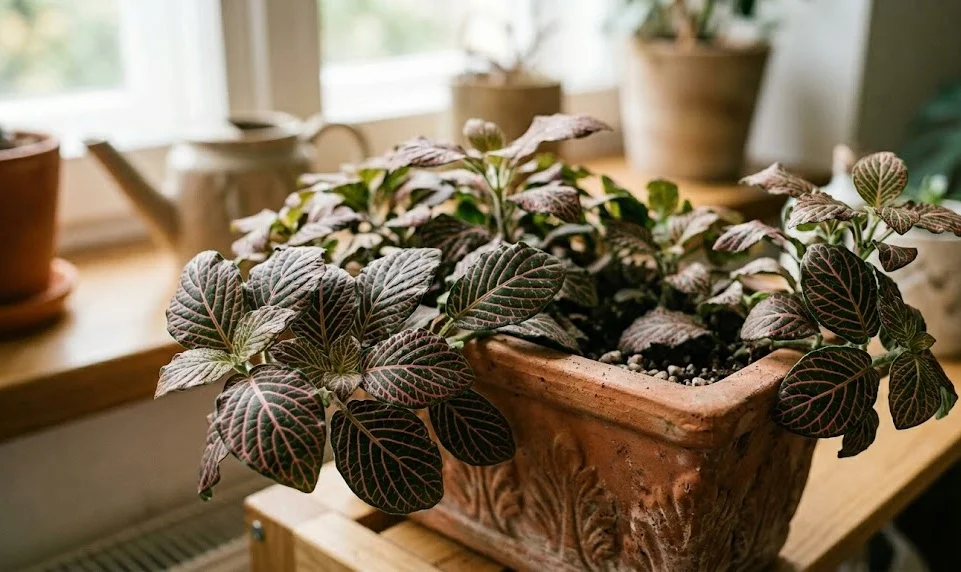

Understanding the specific light needs of the nerve plant is essential for maintaining its health and the striking beauty of its colorful veins. In their natural habitat, these plants grow on the floor of tropical rainforests, where they are shielded from direct sunlight by the dense canopy above. This means they have evolved to thrive in bright, filtered light that provides energy without the risk of burning their delicate leaf tissues. Recreating this dappled light environment in your home is the key to a vibrant and long-lived specimen.
If you place your nerve plant in a spot that receives direct, harsh sunlight, you will quickly notice the leaves becoming bleached or even developing brown, scorched patches. These plants are very sensitive to the intense UV rays of the sun, which can permanently damage the cellular structure of the thin leaves. A north-facing window or a spot several feet away from a bright east or west window is often the most suitable location in a typical house. You should always monitor the plant’s reaction to its placement and be ready to move it if the light seems too intense.
On the other hand, a lack of sufficient light will cause the plant to lose its characteristic color intensity and become leggy as it reaches for a light source. You might notice the vibrant red, pink, or white veins starting to fade into a dull green, and the spaces between the leaves on the stem will become longer. This is the plant’s way of telling you that it needs a bit more brightness to produce the energy required for its colorful displays. Moving the plant to a slightly brighter spot will usually encourage more compact growth and restore the vividness of the leaf patterns.
Consistency in lighting is also important, as sudden changes in the intensity or duration of light can cause the plant to experience stress. You should avoid moving the plant frequently between very different lighting conditions, as it takes time for the foliage to adapt to its new environment. Once you find a spot where the plant seems happy and healthy, it is best to leave it there as much as possible. A stable light environment allows the plant to focus its energy on growth rather than constant adaptation to new conditions.
Finding the perfect spot in your home
Every home has its own unique light profile, and finding the perfect corner for your nerve plant may take a bit of careful observation. You should look for areas that feel bright and airy but are never hit by the direct “hot” rays of the afternoon sun. A room with large windows and light-colored walls often provides a great amount of reflected light that these plants absolutely love. You can use sheer curtains to diffuse the light from a bright window, creating the perfect “forest floor” effect for your indoor garden.
More articles on this topic
The orientation of your windows plays a major role in determining the quality and intensity of the light available to your plants throughout the day. North-facing windows provide a steady but relatively low level of light that is often ideal for more sensitive tropical species. East-facing windows offer gentle morning sun, which is usually safe, while west and south-facing windows can be much more intense and might require some shading. Understanding these patterns will help you make informed decisions about where to place your nerve plant for the best results.
If you are unsure about the light levels in a specific spot, you can use a simple “shadow test” to get a general idea of the intensity. If the shadow cast by your hand is very sharp and distinct, the light is likely too bright and direct for a nerve plant. A soft, blurry shadow indicates the kind of filtered or indirect light that these plants prefer for their daily growth. This quick and easy method can save you from accidentally placing your plant in a location where it might suffer from light stress or leaf burn.
In some cases, the best spot for your plant might change with the seasons as the sun’s path across the sky shifts throughout the year. During the summer, you might need to move the plant further back from the window to avoid the increased intensity of the sun. In the winter, moving it closer to the glass can help compensate for the shorter days and lower light levels characteristic of the colder months. Staying attentive to these seasonal changes will ensure that your nerve plant always has the right amount of light to thrive.
Artificial lighting for consistent growth
For those living in homes with limited natural light, artificial grow lights offer a fantastic solution for keeping nerve plants healthy and vibrant all year round. Modern LED grow lights are designed to provide the specific wavelengths of light that plants need for photosynthesis without wasting energy on heat. You can find small, stylish lights that blend in with your home decor while providing your plants with a consistent and reliable energy source. This is particularly helpful for plants kept in darker rooms or during the long, cloudy days of winter.
More articles on this topic
When using artificial lights, it is important to maintain a consistent schedule to mimic the natural rhythm of day and night. Using a simple timer to provide about ten to twelve hours of light each day is generally sufficient for most indoor nerve plants. This consistency helps the plant regulate its metabolic processes and prevents it from becoming stressed by irregular lighting cycles. You will find that plants grown under a regular light schedule often exhibit more predictable and healthy growth patterns than those relying on fluctuating natural light.
The distance between the light source and the plant’s foliage is another critical factor that you must manage carefully to avoid heat damage. Even LED lights can produce a small amount of heat that might be too much for the delicate leaves if they are placed too close. You should aim for a distance of about twenty to thirty centimeters, adjusting as needed based on how the plant responds over time. If you notice the leaves curling or turning brown at the tips, the light might be a bit too close or too intense for the plant.
Artificial lighting also gives you the freedom to place your nerve plant in areas of your home where it might not otherwise survive, such as a hallway or a windowless bathroom. As long as you provide a high-quality light source and maintain the necessary humidity, the plant can thrive almost anywhere. This opens up many more possibilities for decorating your home with these beautiful and colorful tropical specimens. With the right lighting strategy, you can enjoy a stunning nerve plant display in any room, regardless of its natural light levels.