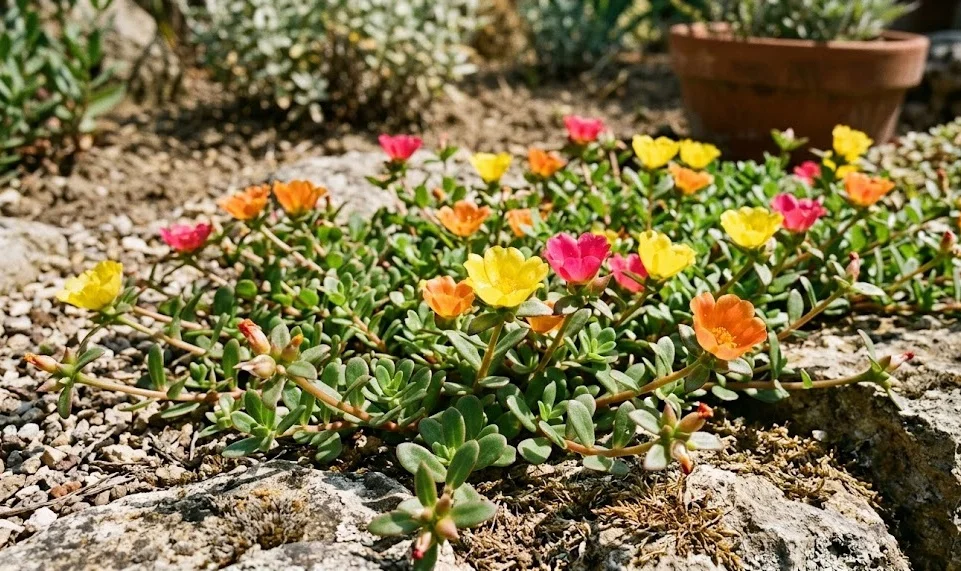

The wingpod purslane is an exceptionally resilient and vibrant ornamental plant that has gained immense popularity among gardeners for its trailing habit and brilliant floral displays. To achieve the best results, one must understand the specific environmental needs and growth patterns of this succulent species. Maintaining its health requires a delicate balance of sunlight, soil quality, and careful observation throughout the growing season. By following professional guidelines, any gardener can ensure these plants thrive and produce a carpet of color from spring until the first frost.
Understanding the environmental needs
The primary requirement for success with this plant is providing an environment that mimics its natural arid habitat. These succulents crave intense sunlight and high temperatures to fuel their rapid growth and daily flowering cycles. Without sufficient heat, the plant may become leggy and lose its characteristic compact, trailing form. It is essential to place them in a location where they can soak up at least six to eight hours of direct rays daily.
Soil selection plays a critical role in the overall health and vigor of the wingpod purslane. These plants have evolved to grow in nutrient-poor, sandy soils where water drains away almost instantly. Standard potting mixes often retain too much moisture, which can lead to disastrous fungal issues and root decline. Incorporating perlite or coarse sand into the growing medium will create the necessary aeration and drainage.
Atmospheric conditions are another factor that experts must consider when managing these colorful trailers. While they are remarkably heat tolerant, they do appreciate a slight drop in temperature during the night hours. High humidity is generally tolerated, but it increases the risk of foliar diseases if air circulation is inadequate. Ensuring that plants are not overcrowded helps maintain a healthy microclimate around the fleshy foliage.
The growth habit of the wingpod purslane is naturally spreading, making it an ideal candidate for hanging baskets or ground cover. As it grows, the stems will crawl across the soil or spill over the edges of containers in a graceful manner. This behavior allows the plant to maximize its exposure to the sun while shading its own root zone. Understanding this physical structure helps in planning the layout of a garden or balcony display.
More articles on this topic
Daily maintenance and monitoring
Regular observation is the cornerstone of professional plant care, especially with fast-growing succulents. Each morning, take a moment to inspect the fleshy leaves for signs of stress or dehydration. The flowers typically open with the sun and close by evening, which is a fascinating rhythmic display. Monitoring this cycle can tell you a lot about whether the plant is receiving enough light.
Removing spent blooms, a process often called deadheading, is not strictly necessary for health but benefits the aesthetic. While the plant is somewhat self-cleaning, picking off old flowers prevents the formation of unwanted seed pods. This directs the energy of the plant back into producing new buds and maintaining lush foliage. It also keeps the display looking fresh and vibrant throughout the peak summer months.
The stems should be checked periodically for any signs of physical damage or elongated growth. If the plant begins to look sparse in the center, it may be time to adjust its position relative to the sun. Fleshy stems are brittle, so care must be taken when moving or handling the containers. Gentle handling ensures that the trailing branches remain intact and continue their outward expansion.
Weed management is vital when using these plants as a ground cover in garden beds. Because they stay relatively low to the ground, aggressive weeds can easily overshadow and outcompete them for nutrients. Manual weeding is the safest method to avoid damaging the shallow root systems of the purslane. Keeping the surrounding area clean also reduces the hiding spots for potential pests.
More articles on this topic
Seasonal adjustments for growth
As the seasons transition from late spring to the height of summer, the care routine must adapt. During the hottest weeks, the metabolic rate of the plant increases significantly, demanding more consistent monitoring. While they are drought-tolerant, extreme heat waves may require a slight increase in the frequency of care. The goal is to keep the plant in a state of active growth without causing physiological stress.
In mid-summer, the plant often reaches its maximum size and begins to produce its most prolific bloom. This is the period when the visual impact of the wingpod purslane is at its absolute peak. Providing a stable environment during this time ensures that the flowering period is extended as long as possible. Avoiding sudden changes in location or watering habits helps prevent the dropping of buds.
As autumn approaches and the days grow shorter, the growth rate will naturally begin to slow down. The plant responds to the changing light levels by reducing its flower production and preparing for a dormant phase. It is important to recognize these natural cues and reduce inputs accordingly to match the plant’s needs. Forcing growth during this time with excessive feeding can weaken the plant’s structure.
The final weeks of the outdoor season require a shift in focus toward protection and preparation. If the intention is to keep the plant for the following year, the health of the base must be prioritized. Reducing the lush, green top growth can help the plant conserve resources as temperatures drop. Observing the first signs of cold stress will indicate when it is time to move the plant indoors.
Optimal soil composition
Creating the perfect soil mix is perhaps the most technical aspect of caring for this specific succulent. A professional-grade mixture should consist of organic matter, inorganic drainage components, and a touch of mineral soil. Most experts recommend a ratio of two parts potting soil to one part coarse grit or volcanic rock. This combination allows for some nutrient retention while ensuring the roots never sit in stagnant water.
The pH level of the soil should be slightly acidic to neutral for the best nutrient uptake. Wingpod purslane is not overly picky, but a pH range between 6.0 and 7.0 is generally considered the sweet spot. If the soil is too alkaline, the plant may struggle to absorb essential micronutrients, leading to pale leaves. Testing the soil occasionally can provide valuable insights for professional growers.
Compaction is a common enemy of succulents grown in containers over long periods. Over time, the organic components in the soil break down and limit the amount of oxygen reaching the roots. Refreshing the top layer of soil or gently poking holes in the medium can help maintain the necessary air pockets. This practice encourages a strong, deep root system that can better withstand environmental fluctuations.
Mulching is a technique that can be used with caution in garden beds to suppress weeds. However, it is vital to use inorganic mulches like gravel or small pebbles rather than wood chips. Wood mulch can hold too much moisture against the stems, potentially causing rot at the soil line. A thin layer of decorative stone provides a clean look and keeps the fleshy leaves off the damp earth.
Container gardening strategies
Growing wingpod purslane in containers offers several advantages, including portability and controlled drainage. Selecting a pot with multiple drainage holes is the most important step in this process. Terracotta containers are often preferred because they are porous and allow the soil to breathe more effectively than plastic. The size of the container should allow for at least a few inches of growth on all sides.
The arrangement of plants within a container can impact their long-term health and visual appeal. When planting multiple specimens together, ensure there is enough space for air to circulate between the fleshy stems. Crowding can lead to a damp environment that favors the development of gray mold or other pathogens. A well-spaced arrangement will eventually fill in to create a full, lush appearance.
Hanging baskets are the most popular way to showcase the trailing nature of this plant. When using baskets, remember that they dry out much faster than ground-level pots due to wind exposure. Frequent checks are necessary to ensure the soil has not become bone-dry and hydrophobic. Lining wire baskets with coconut coir provides a natural look while assisting with moisture management.
Window boxes are another excellent choice for displaying the vibrant colors of the purslane. They provide a linear space that allows the stems to cascade over the edge, creating a waterfall of flowers. Ensure that the window box is securely fastened, as the weight of the succulent stems and wet soil can be significant. Positioning them on a south-facing ledge provides the intense light these plants crave.
Managing growth and form
To keep the wingpod purslane looking its best, occasional intervention is required to manage its shape. If the stems become too long and start to look thin, a light trim can encourage branching. This results in a bushier plant with more flowering tips, which is the goal for most ornamental displays. Strategic cutting is a standard practice among professional horticulturists.
Understanding the apical dominance of the plant helps in directing its growth more effectively. By pinching off the growing tips, you signal the plant to activate its lateral buds. This technique is especially useful in the early stages of growth to build a strong, dense foundation. A well-branched plant is much more resilient to wind and physical handling.
The health of the center of the plant is a good indicator of its overall vigor. If the middle starts to die back while the ends are still growing, it may be a sign of poor light penetration. Ensuring that the entire plant receives even illumination will prevent this “donut” effect. Rotating containers every few days is a simple but effective way to achieve uniform growth.
Physical support is rarely needed for this trailing species, but careful placement is key. Allow the stems to follow their natural inclination to hang or crawl without obstruction. Avoid placing them in high-traffic areas where the brittle stems might be frequently bumped or broken. Providing a stable, elevated platform allows the beauty of the trailing habit to be fully appreciated.
Enhancing the floral display
The main attraction of the wingpod purslane is undoubtedly its spectacular, multi-colored flowers. To maximize the bloom, consistent environmental conditions must be maintained throughout the peak season. Any sudden stress, such as a severe dry spell or a cold snap, can cause the plant to drop its buds. A stable routine is the secret to a continuous and heavy flowering period.
Light intensity is the single most important factor governing the number of flowers produced. In shaded areas, the plant will focus on leaf production and the flowers will remain closed or fail to develop. Providing full sun ensures that the metabolic energy of the plant is directed toward reproduction. The more light the plant receives, the more intense the colors of the petals will be.
While the flowers are individual and relatively short-lived, the sheer number of buds ensures a constant display. On cloudy days, you might notice that the flowers remain tightly shut to protect their pollen. This is a natural defensive mechanism that demonstrates the plant’s adaptation to its environment. Once the sun reappears, the display will resume its full, open glory.
Observing the pollinator activity can add another layer of enjoyment to growing these plants. Bees and butterflies are frequently attracted to the bright colors and nectar of the purslane flowers. Encouraging these beneficial insects not only helps the local ecosystem but also ensures the health of the garden. A thriving, buzzing garden is a sign of a well-maintained and healthy horticultural environment.