
The secret to a lush and aromatic spearmint patch lies in the careful balance of hydration and nutrition provided throughout the growing season. Unlike some herbs that prefer dry, Mediterranean-like conditions, mint thrives in environments where moisture is consistently available to its shallow root system. However, providing too much water or the wrong kind of fertilizer can lead to issues that diminish the quality of the essential oils. Finding the “sweet spot” for these two factors is what separates a casual grower from a true gardening expert.
Understanding hydration needs for mint
Spearmint is naturally a moisture-loving plant that often grows near stream banks or damp meadows in its native environment. In the garden, this means you should never allow the soil to dry out completely, as even a single afternoon of extreme drought can cause the leaves to wilt and turn brown. Ideally, the soil should feel like a wrung-out sponge—moist to the touch but not dripping with excess water. During the peak of summer, you may find that daily watering is necessary, especially for plants grown in containers or raised beds.
The frequency of your watering schedule will depend heavily on the local climate and the type of soil you have in your garden. Sandy soils drain very quickly and will require more frequent attention, while clay soils hold moisture longer but can become stagnant. You can check the moisture level by sticking your finger about an inch into the soil; if it feels dry, it is time to water. Mulching around the base of the plants is a professional tip that helps to lock in moisture and reduce the need for constant irrigation.
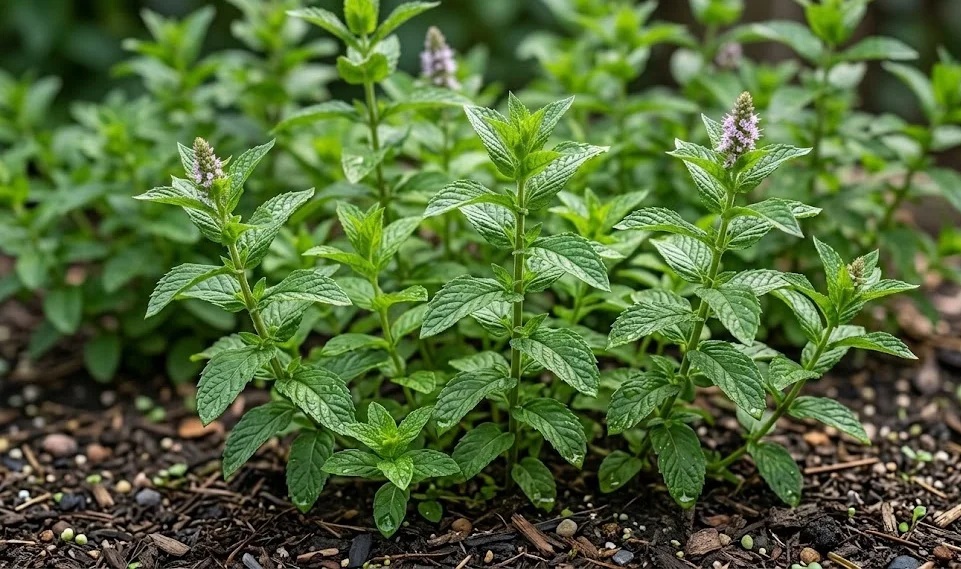
Overwatering is just as dangerous as underwatering, as it can lead to anaerobic conditions in the soil that cause the roots to rot. If you notice the leaves turning yellow and falling off while the soil is still wet, you are likely giving the plant too much water. Ensuring that your pots have adequate drainage holes and that your garden beds aren’t in low spots where water collects is essential. A healthy spearmint plant has turgid, bright green leaves that stand upright, indicating that the internal water pressure is optimal.
Watering in the early morning is the best practice because it allows the foliage to dry before the sun gets too hot, reducing the risk of fungal diseases. If you must water in the evening, try to apply the water directly to the soil rather than over the leaves to minimize moisture buildup. Automated drip irrigation systems are excellent for mint because they provide a slow, steady supply of water directly to the root zone. This consistency prevents the plant from experiencing the stress cycles of drying out and then being flooded.
More articles on this topic
Techniques for efficient watering
When watering your spearmint, the goal is to saturate the entire root zone rather than just wetting the surface of the soil. Deep watering encourages the roots to grow further down into the earth, which makes the plant more resilient to temporary fluctuations in temperature. Instead of light daily sprinkles, try providing a more thorough soaking every few days depending on the weather conditions. This method ensures that the rhizomes, which are often just below the surface, stay hydrated and active.
If you are growing mint in pots, you should water until you see the excess draining out of the bottom of the container. This not only ensures the roots are wet but also helps to flush out any accumulated salts from fertilizers that could eventually harm the plant. During heatwaves, container plants can dry out in a matter of hours, so placing a tray underneath the pot can provide a small reservoir of water. However, never leave the pot sitting in water for more than a day, as this can lead to the aforementioned root rot.
Using rain barrels to collect water for your garden is an ecologically friendly and professional way to hydrate your herbs. Rainwater is naturally soft and free from the chlorine and fluoride found in many municipal water supplies, which some plants can be sensitive to. If you are using a hose, avoid high-pressure settings that can wash away the soil and expose the delicate surface roots. A gentle watering wand or a soaker hose is a much better choice for maintaining the integrity of the soil structure.
Observing the plant’s behavior is the best way to determine if your watering technique is effective. A plant that is perfectly hydrated will have a vibrant, glossy appearance and will quickly bounce back after a harvest. If the mint looks dull or the stems start to droop, it is a clear signal that it needs immediate attention. By refining your watering habits, you can ensure that your spearmint remains a productive and healthy part of your garden throughout the entire year.
More articles on this topic
Organic fertilization approaches
Spearmint is a moderately heavy feeder because of its rapid growth rate, but it doesn’t require complex or harsh chemical fertilizers to thrive. In fact, too much nitrogen can lead to rapid, watery growth that lacks the concentrated essential oils responsible for the plant’s flavor. The best approach is to use organic amendments that improve the soil structure while providing a slow release of nutrients over time. Well-rotted compost or a high-quality worm casting tea are excellent choices for maintaining a healthy nutrient balance.
Applying a layer of compost to the surface of the soil in the early spring provides a natural boost as the plant wakes up from dormancy. This “top-dressing” mimics the way nutrients are recycled in a natural forest or meadow environment. As you water the plant, the nutrients from the compost slowly filter down to the roots without the risk of “burning” the delicate tissues. This organic method also supports the beneficial bacteria and fungi in the soil that help the plant fight off diseases.
If your mint seems to be struggling or the growth has slowed significantly during the summer, a liquid organic fertilizer can provide a quick pick-me-up. Seaweed or kelp extracts are popular among professional herb growers because they contain a wide range of trace minerals and growth hormones. These liquid fertilizers can be applied every four to six weeks during the peak growing season to ensure the plant has everything it needs. Always follow the manufacturer’s instructions for dilution to avoid over-fertilizing, which can attract pests like aphids.
For those who want a truly hands-off approach, incorporating slow-release organic granules into the soil at planting time can be very effective. These products break down over several months, providing a consistent supply of food without the need for frequent reapplications. However, the most important “fertilizer” for spearmint is simply maintaining a healthy soil environment rich in organic matter. By focusing on the health of the soil, you are indirectly ensuring the health and productivity of your mint plants.
Signs of nutrient deficiency and excess
Being able to read the leaves of your spearmint can tell you a lot about what is happening beneath the soil surface. Nitrogen deficiency is the most common issue, and it typically manifests as a general paling or yellowing of the older, lower leaves. If the plant isn’t getting enough phosphorus, the stems might take on a purple or reddish tint, and the overall growth will be stunted. Potassium deficiency often shows up as browning or “scorching” along the edges of the leaves, even when the soil is moist.
On the other hand, over-fertilization can cause its own set of problems that are often harder to correct than a simple deficiency. An excess of nitrogen will result in very dark green, lush foliage, but the stems will be weak and the flavor of the mint will be noticeably diminished. It can also lead to an accumulation of salts in the soil, which prevents the roots from taking up water effectively, causing the plant to wilt. If you suspect you have over-fertilized, the best solution is to flush the soil with large amounts of plain water to leach out the excess nutrients.
Iron chlorosis is another potential issue, especially in areas with alkaline soil or hard water, where the leaves turn yellow but the veins remain green. This indicates that the plant cannot access the iron it needs, even if it is present in the soil, due to the high pH level. In such cases, applying a chelated iron supplement or working sulfur into the soil to lower the pH can help resolve the problem. Regular soil testing is the only way to know for sure what minerals are lacking or present in excess.
A professional gardener always looks for balance rather than extremes when it comes to plant nutrition. If your spearmint is growing steadily and producing plenty of fragrant leaves, it is likely that your current routine is working perfectly. Avoid the temptation to add “just a little more” fertilizer in hopes of even faster growth, as this usually backfires. Patience and observation are your best tools for managing the nutritional needs of your herb garden successfully.
Managing mineral buildup and soil health
Over time, especially in container gardens, minerals from both tap water and fertilizers can build up in the soil and affect the health of your spearmint. This buildup often appears as a white, crusty residue on the surface of the soil or around the rim of the pot. These salts can change the soil’s chemistry, making it harder for the plant to absorb essential nutrients and causing damage to the sensitive root tips. Periodically flushing the pots with a heavy volume of fresh water is a simple way to prevent this problem from becoming serious.
If you find that your spearmint is not responding well to fertilizers, it may be because the soil has become compacted or “dead” over time. Adding fresh organic matter every year helps to keep the soil structure loose and airy, which is vital for root respiration. In older containers, it is often better to replace the top few inches of soil with fresh potting mix every spring. This provides a clean slate for the plant to start its new growth cycle and ensures that the drainage remains efficient.
The presence of earthworms in your garden beds is a great indicator of high-quality, healthy soil that doesn’t need much intervention. Earthworms help to aerate the soil and their castings provide a perfectly balanced source of nutrients for the mint. If your garden lacks these helpful creatures, it may be a sign that the soil is too dry, too acidic, or lacking in organic material. Creating a hospitable environment for soil life is a long-term investment that pays off in the form of healthier and more productive plants.
Finally, remember that the health of your spearmint is a reflection of the environment you provide for its roots. By paying attention to the nuances of watering and fertilizing, you can create a thriving herb garden that provides a bounty of fresh leaves. Every garden is unique, so use these professional tips as a guide to develop a routine that works best for your specific conditions. Consistent care and a mindful approach to soil health will ensure your spearmint remains vibrant for many years.