
Light is the primary engine of growth for wormwood and the secret behind its stunning aesthetic appeal in the garden. This plant has spent centuries adapting to open, sun-drenched landscapes where it can bask in the full intensity of the day. You will find that providing the correct amount of light is the single most important factor in achieving that signature silver foliage. Understanding how the plant interacts with the sun allows you to place it perfectly within your outdoor or indoor environment.
The necessity of full sun exposure
To reach its full potential, wormwood requires at least six to eight hours of direct, unfiltered sunlight every single day. You should choose the brightest spot in your garden, ideally a location with a southern exposure that catches the sun from morning until late afternoon. This intense light triggers the production of the essential oils and the tiny silver hairs that protect the plant from drying out. You will notice that plants grown in full sun are much more compact and sturdy than those in less ideal spots.
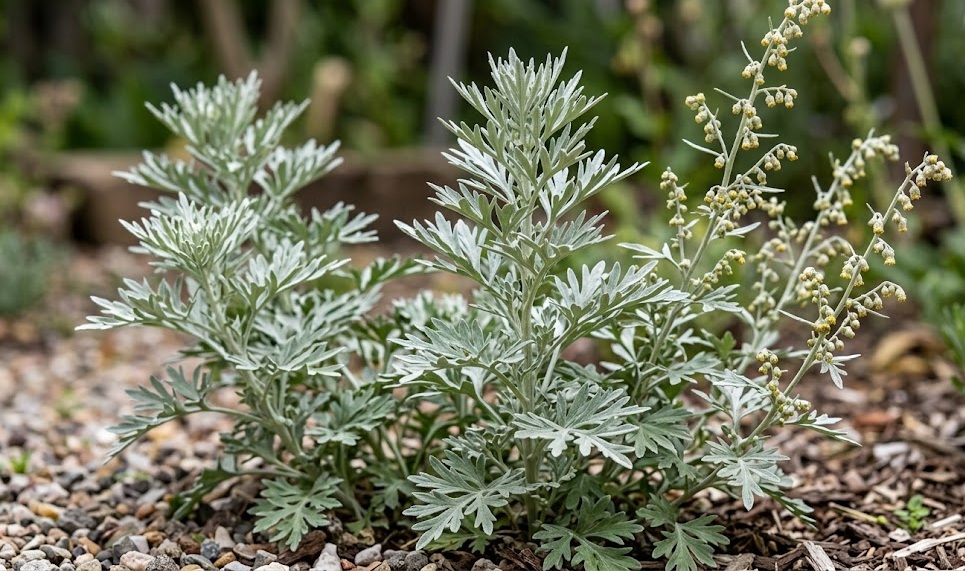
The color of the leaves is a direct reflection of the amount of light the plant receives during the growing season. In bright light, the foliage takes on a brilliant, almost metallic silver sheen that looks beautiful against darker green neighbors. This silver coating actually acts as a natural sunscreen, reflecting excess radiation and keeping the plant cool during the heat of the day. You are essentially seeing the plant’s own sophisticated defense mechanism in action whenever you look at it.
If you plant your herb in a location that is too shaded, you will quickly see a change in its overall health and appearance. The stems will begin to stretch toward the light, becoming long, thin, and prone to flopping over in the wind. The leaves may lose their silver color and turn a dull, dark green as they try to maximize their ability to catch what little light is available. Your goal as a professional gardener is to prevent this “leggy” growth by prioritizing a sun-first placement strategy.
The intensity of the light also influences the strength of the plant’s characteristic aroma and bitter compounds. You will find that the scent is much more potent and the plant is more resistant to pests when it is grown in a high-light environment. Sunlight provides the energy needed for these complex chemical processes that define the very nature of the herb. Providing plenty of sun is the best way to ensure you are growing a high-quality and truly authentic specimen in your garden.
More articles on this topic
Managing the effects of shade and competition
In a diverse garden, it is common for taller plants or structures to cast shadows that might affect your smaller herbs throughout the day. You should observe the movement of shadows across your garden bed at different times to see if the wormwood is being blocked. Even partial shade for a few hours in the afternoon can significantly reduce the vigor and beauty of the plant over time. If you find the plant is struggling, consider moving it to a more open area or trimming back the overhanging foliage of neighbors.
Competition for light is just as real as competition for water and nutrients in the underground world of the garden. You must ensure that your plants are spaced far enough apart so they don’t shade each other out as they grow larger. This is especially important for a spreading species like wormwood, which can quickly dominate its immediate surroundings if left unchecked. Proper spacing ensures that every branch and leaf has access to the energy it needs to thrive and stay healthy.
If you have a garden that is naturally shaded by large trees or buildings, you might need to get creative with your placement. You can use reflective surfaces or light-colored walls to bounce extra sunlight back toward your sun-loving herbs. Alternatively, planting in containers allows you to move the pots around to follow the sun as the seasons change and shadows shift. Being adaptable in your approach helps you overcome the natural limitations of your specific gardening site.
Signs of light deficiency can sometimes be mistaken for other issues like nutrient lack or overwatering at first glance. You should look for a combination of weak stems, sparse foliage, and a general lack of the silver hairs that should be present. If the plant looks “tired” and is growing very slowly compared to its neighbors, it is likely crying out for more sun. Identifying and correcting this early on allows the plant to recover its strength and return to its beautiful, silver state.
More articles on this topic
Indoor light management for containers
Growing wormwood indoors can be a challenge because traditional windows often don’t provide the same intensity as the outdoor sun. You should place your pots on the brightest windowsill available, which is usually one that faces south in the northern hemisphere. Even then, the glass can filter out some of the specific wavelengths of light that the plant needs to stay compact. You will find that you may need to supplement the natural light with a dedicated grow light to keep the plant happy.
A full-spectrum LED or fluorescent light can provide the extra boost needed to mimic the intense sunlight of an open field. You should keep the light source relatively close to the top of the plant to ensure the maximum amount of energy reaches the leaves. Running the lights for twelve to fourteen hours a day can help prevent the plant from becoming leggy and weak inside your home. This professional setup allows you to enjoy the aromatic benefits of the herb all year round, regardless of the weather outside.
Rotating your indoor pots every few days is a simple but effective way to ensure all sides of the plant receive equal exposure. You will notice that the stems naturally lean toward the strongest light source, which can lead to a lopsided and unattractive shape over time. Giving the pot a quarter turn every time you water helps maintain a balanced and professional appearance for your indoor garden. Your attention to these small details keeps your plants looking their absolute best even in a confined space.
As the seasons change, you should be aware that the light coming through your windows will also shift in intensity and angle. You might need to move your plants further away from the glass in midsummer to prevent “sunscald” or closer during the dark winter months. Understanding the unique light dynamics of your own home is a key part of being a successful indoor gardener. Your plants will reward your careful observation with healthy growth and a beautiful, silver presence in your living space.