
Maintaining the health and vibrancy of these perennials requires a dedicated approach that respects their natural habitat and growth patterns. Gardeners often appreciate the resilience of this species, yet achieving peak performance involves understanding its specific needs for longevity. You should consider the soil conditions, moisture levels, and overall environment to ensure the foliage remains lush and attractive throughout the seasons. Regular observation is the key to identifying any subtle shifts in the plant’s health before they become significant issues.
Successful cultivation starts with creating a stable environment where the roots can thrive without being subjected to extreme stress or fluctuations. These plants generally prefer soil that is rich in organic matter and provides adequate drainage to prevent root issues. You will notice that when the conditions are just right, the leaves display a remarkable texture and color depth. It is essential to monitor the site regularly to ensure that no competing weeds are stealing valuable nutrients from the soil.
The overall aesthetic appeal of the plant is directly tied to the consistency of the care it receives during the growing season. While they are often described as low-maintenance, a professional touch can make a substantial difference in their developmental progress and flowering potential. You should focus on removing spent foliage and ensuring that the crown remains at the appropriate level relative to the soil surface. This proactive management helps maintain the structural integrity of the plant as it matures over several years.
Long-term success with this species also involves understanding how it interacts with its neighbors in a mixed perennial border. Because they form dense mounds, they provide excellent ground cover but require enough space to breathe and expand naturally. You can achieve a harmonious garden design by placing them in locations where their unique leaf shapes can be fully appreciated. Keeping a close eye on the local microclimate will help you adjust your maintenance routine as the weather patterns shift.
Soil preparation and maintenance
The foundation of a healthy specimen lies in the quality of the earth in which it is planted and sustained. You should aim for a loamy texture that allows air to reach the roots while holding just enough moisture to sustain growth. Incorporating well-rotted compost or leaf mold can significantly improve the structure of heavier clay soils or sandy patches. This preparation ensures that the delicate root system has the best possible start and can establish itself firmly in the ground.
More articles on this topic
Maintaining the soil quality over time is just as important as the initial preparation before the planting process begins. You should consider applying a thin layer of organic mulch around the base of the plant to suppress weeds and regulate temperature. This practice also helps to replenish the organic content of the soil as the mulch breaks down naturally over the months. Avoid piling mulch directly against the crown, as this can trap excessive moisture and lead to potential rot.
Testing the pH of your garden soil can provide valuable insights into why a plant might be underperforming in certain areas. These perennials generally prefer a neutral to slightly acidic environment where nutrients are most readily available for uptake. If your soil is too alkaline, you might notice a yellowing of the leaves or stunted growth during the peak season. Adjusting the chemistry of the earth should be done gradually to avoid shocking the plant’s sensitive biological systems.
Physical aeration of the surrounding earth can also be beneficial, especially in gardens where the soil tends to compact over time. You can gently use a hand fork to loosen the surface layer, being careful not to disturb the shallow roots that grow near the surface. This simple task improves water infiltration and allows the plant to breathe more effectively during periods of heavy rain. Consistent attention to these details will result in a more robust and visually striking plant throughout the year.
Monitoring seasonal changes
As the seasons transition from spring to summer, the requirements of the plant undergo a shift that requires your attention. During the early growth phase, the focus should be on supporting the emergence of new leaves and the development of flower spikes. You will see the most rapid expansion during these months, making it a critical time for ensuring adequate resources are available. Observing the rate of growth helps you determine if the current location is meeting all the biological needs of the plant.
More articles on this topic
When the heat of summer arrives, the primary concern shifts to protecting the foliage from scorch and dehydration. You might notice that the leaves lose some of their turgidity during the hottest part of the day, which is a natural response. Providing temporary shade or increasing the frequency of your checks can help the plant navigate these stressful periods without permanent damage. It is a time for vigilance and minor adjustments rather than major interventions in the garden layout.
Autumn brings a slowing of growth and a shift in the plant’s internal chemistry as it prepares for the dormant period ahead. This is an excellent time to evaluate the performance of the plant over the past year and plan for any necessary changes. You should focus on cleaning up the area and removing any debris that might harbor pests or diseases during the winter. The plant’s appearance may change during this time, reflecting the natural cycle of perennial life in a temperate climate.
Winter care is largely passive, but it remains an important part of the overall management strategy for these hardy perennials. While the foliage may persist in some climates, the plant is essentially resting and storing energy for the next spring. You should ensure that the crown is protected from extreme frost heaving, which can occur during cycles of freezing and thawing. Taking these steps ensures that the plant will emerge strong and healthy once the temperatures begin to rise again.
Managing the growth cycle
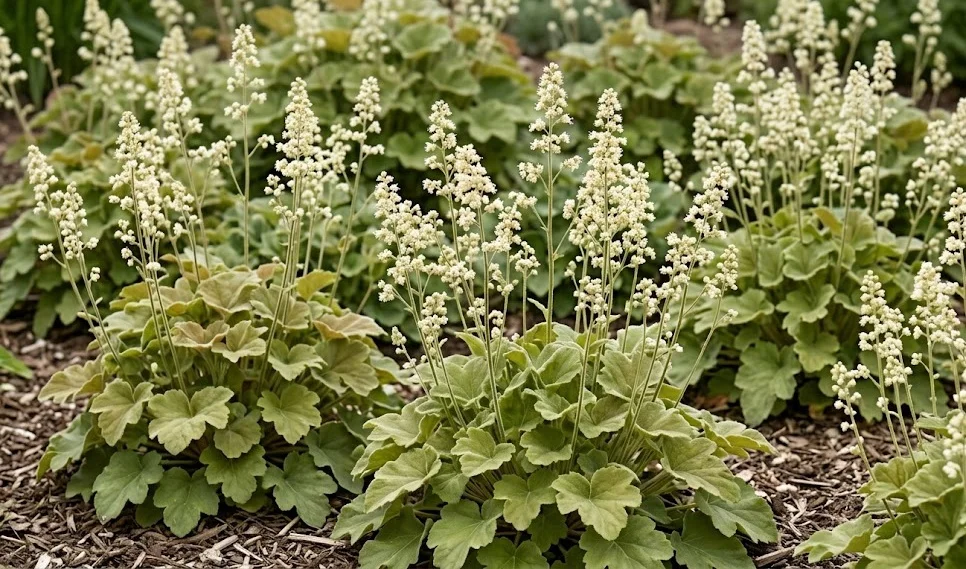
Understanding the life cycle of the plant allows you to intervene at the most effective moments to support its health. Most specimens will reach their full size within a few years, forming a dense and attractive mound of foliage. You should observe the center of the mound for signs of overcrowding or woody stems that may indicate the plant is aging. Regular management keeps the growth looking fresh and prevents the center from becoming sparse or unsightly over time.
Flowering is a highlight of the growth cycle, adding a delicate vertical element to the garden’s visual composition. While the flowers are small, they are produced in abundance on wiry stems that rise well above the leaves. You can choose to leave these stems for a natural look or remove them once the blooms have faded to tidy the appearance. Removing the spent flower stalks can also encourage the plant to put more energy back into its foliage and root system.
The density of the foliage is a good indicator of the plant’s overall vigor and the suitability of its current environment. If you notice that the leaves are becoming smaller or less vibrant, it may be time to reassess the local conditions. Sometimes a simple adjustment in the surrounding plants can provide more air circulation or light, leading to a quick recovery. Maintaining a balance between growth and space is essential for the long-term health of any perennial in a crowded border.
Periodically, you may find that the plant has pushed itself slightly out of the ground, a phenomenon common with this genus. This requires a quick fix to ensure the roots remain covered and protected from the elements and drying winds. You can simply add a bit of fresh soil or compost around the base to tuck the plant back into its bed. Staying proactive with these minor structural issues prevents the plant from becoming vulnerable to environmental stressors.
Environmental stressors and adaptation
Every garden presents a unique set of challenges that the plant must adapt to in order to survive and flourish. Wind can be a significant factor, potentially drying out the leaves or physical damaging the delicate flower stems. You should consider planting in a location that offers some protection from prevailing winds, especially in more exposed garden sites. This protection helps the plant maintain its shape and prevents the foliage from becoming tattered or browned at the edges.
Temperature fluctuations can also impact the performance and appearance of the foliage throughout the calendar year. While these plants are generally hardy, extreme heat or late spring frosts can cause temporary setbacks in their development. You can mitigate these effects by choosing the right planting site and using mulch to stabilize the soil temperature. Resilience is a hallmark of this species, but providing a bit of assistance during weather extremes is always beneficial.
Air quality and circulation are often overlooked factors that contribute to the success of a professional garden design. In stagnant areas, moisture can sit on the leaves for too long, potentially leading to fungal issues that mar the beauty of the foliage. You should ensure that there is enough space between plants to allow a gentle breeze to pass through the area. This natural ventilation keeps the leaves dry and reduces the likelihood of environmental stress affecting the plant’s health.
Adaptability is one of the reasons why this plant is so popular among professional landscapers and hobbyists alike. It can handle a variety of conditions, provided the core requirements for drainage and light are met. You will find that even in less than ideal spots, the plant will often persevere and continue to add value to your landscape. Learning to read the signs of stress in your plants allows you to become a more effective and responsive gardener.
Professional aesthetic management
The visual impact of a garden depends on how well the individual components are managed and integrated into the whole. For this species, the foliage is the primary attraction, offering a soft texture that contrasts well with broader leaves. You should aim to keep the mounds looking uniform and healthy to maximize their decorative potential in the border. Regular tidying and the removal of any damaged or discolored leaves will keep the plant looking its absolute best.
Grouping these perennials together can create a powerful visual effect, especially when they are used as a drift or an edging plant. You should consider the color of the foliage and how it changes throughout the season when planning your combinations. The white flowers provide a neutral accent that can bridge the gap between more vibrantly colored summer blooms. Professional gardeners often use these plants to provide a sense of continuity and rhythm within a complex garden design.
The scale of the plant makes it suitable for a variety of roles, from the front of the border to container arrangements. You should ensure that the container size is appropriate for the root ball to allow for future expansion and growth. In pots, the care requirements are slightly different, as the soil tends to dry out more quickly and nutrients leach away. Consistent monitoring of container-grown specimens is necessary to maintain the same level of health as those in the ground.
Refining the appearance of the garden through careful plant selection and maintenance is an ongoing process for any enthusiast. You can use the unique characteristics of this species to solve design problems, such as filling gaps or softening hard edges. The quiet beauty of the foliage provides a calm backdrop that allows other plants to shine while holding its own interest. Investing time in the aesthetic management of your garden will yield rewards in the form of a professional and polished landscape.
Long term health and longevity
To ensure that your plants remain a part of your garden for many years, you must take a long-term view of their care. These perennials are not particularly long-lived if left entirely to their own devices, as they can become woody or exhausted. You should plan on rejuvenating the plants every few years to maintain their vigor and keep the foliage looking youthful. This lifecycle management is a standard part of professional horticulture and ensures a constant supply of healthy plants.
Observations over several seasons will help you understand the specific rhythm of your garden and how it affects the plant. You might find that certain areas of your property are better suited for long-term health than others based on drainage or shade. Moving a plant that is struggling to a more favorable location can often give it a new lease on life. Being willing to adapt your garden plan based on the actual performance of the plants is a sign of an experienced gardener.
Sustainability in the garden is achieved through practices that support the natural health of the soil and the local ecosystem. By using organic methods and avoiding harsh chemicals, you create an environment where the plant can thrive alongside beneficial insects. You should encourage a diverse range of life in your garden, as this leads to a more resilient and balanced system. Healthy plants are better able to defend themselves against pests and diseases without the need for intensive intervention.
Ultimately, the care of this species is a rewarding endeavor that connects you with the natural cycles of the garden. You will find that the time spent on minor tasks like mulching and watering pays off in the form of a beautiful and reliable landscape. The presence of healthy, well-maintained perennials adds a sense of maturity and stability to any outdoor space. By following these professional guidelines, you ensure that your garden remains a source of pride and enjoyment for years to come.