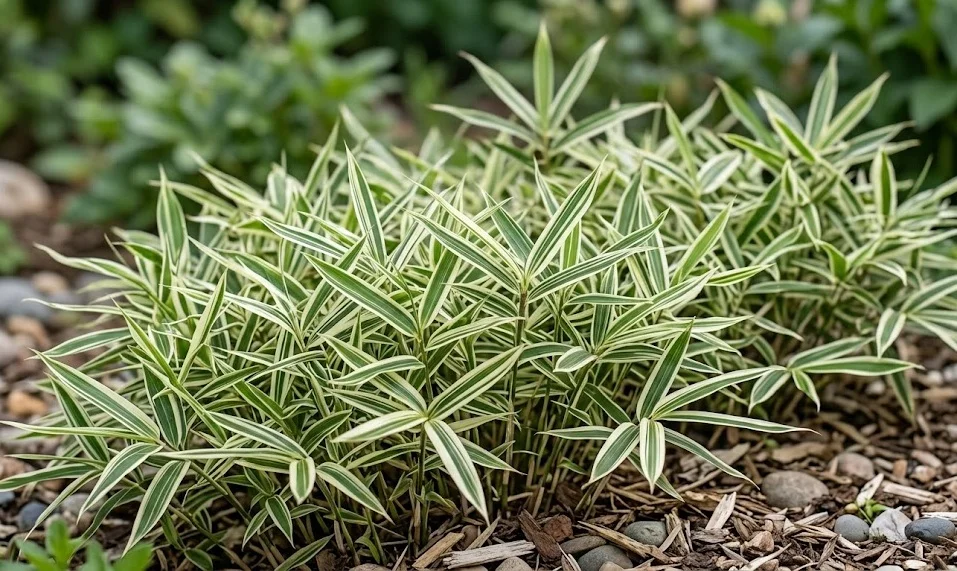

Maintaining the pristine appearance of white-striped dwarf bamboo requires vigilance against a small but persistent group of pests and diseases. While bamboo is generally more robust than many other garden perennials, its dense growth habit can provide shelter for insects and trap humidity that leads to fungal issues. Identifying problems early is the most effective way to prevent them from marring the striking white-and-green foliage. This guide covers the most common threats and the professional strategies used to manage them in a garden setting.
The primary challenge in managing bamboo health is the plant’s evergreen nature, which means that damaged leaves stay on the plant for a long time. Unlike deciduous plants that shed their problems every autumn, bamboo requires the gardener to be more proactive in keeping the canopy clean. A small infestation of mites or a minor fungal spot can quickly spread through the entire colony if left unchecked. Understanding the lifecycle of these threats allows for more targeted and successful interventions.
Environmental stress is often the precursor to pest and disease outbreaks, as weakened plants have fewer natural defenses. Drought, poor nutrition, or incorrect light levels can all make the white-striped dwarf bamboo more attractive to opportunistic invaders. By maintaining high standards of general care, the gardener builds a “buffer” that helps the plant resist many common issues. A healthy plant is always the first line of defense in any integrated pest management strategy.
When a problem does arise, it is important to use the least invasive treatment possible to protect the surrounding ecosystem. Many bamboo pests can be managed through mechanical means, such as pruning or strong water sprays, before resorting to chemical controls. If chemicals are necessary, choosing specific, low-impact options helps to preserve beneficial insects like ladybugs that hunt bamboo pests. A balanced approach ensures a healthy garden that remains beautiful and sustainable.
Common fungal pathogens
Fungal issues often manifest as spots, blotches, or a dusty coating on the leaves of the dwarf bamboo. These pathogens thrive in environments where the air is stagnant and the humidity remains high for long periods. If the bamboo is planted too densely or in a corner with no breeze, it becomes much more vulnerable to these types of infections. The white parts of the leaves can be particularly sensitive to fungal damage, which often shows up as unsightly brown or grey patches.
More articles on this topic
Leaf spot fungi are perhaps the most common type of disease seen in variegated bamboo collections. These small, circular lesions can eventually merge, causing entire sections of the leaf to die and fall off. While rarely fatal to the whole plant, a severe case of leaf spot can significantly ruin its decorative value for the season. Improving air circulation by thinning out older canes is one of the best preventative measures a gardener can take.
Sooty mold is another fungal issue, though it is usually a secondary symptom of a pest infestation. This black, powdery substance grows on the “honeydew” excreted by sucking insects like aphids or scale. While the mold itself doesn’t feed on the plant, it blocks sunlight and prevents the leaves from photosynthesizing efficiently. Cleaning the mold off with a gentle soap solution and addressing the underlying insect problem will restore the plant’s health.
To manage fungal outbreaks, it is essential to remove and dispose of any infected foliage immediately. Do not compost this material, as the spores can survive the composting process and return to the garden later. If the infection is widespread, a copper-based fungicide applied according to the label instructions can help to stop the spread. However, long-term success always depends on correcting the environmental conditions that allowed the fungus to take hold in the first place.
Dealing with spider mites
Spider mites are arguably the most frustrating pest for bamboo enthusiasts, as they are tiny and can cause significant damage before they are noticed. These microscopic arachnids live on the undersides of the leaves, where they suck out the plant’s juices. This results in a “stippled” or bleached appearance on the foliage, making the white stripes look dull and dusty. In severe cases, you may see fine webbing between the leaves and stems.
More articles on this topic
These pests flourish in hot, dry conditions where there is little rain to wash them away. This makes them a particular threat during the peak of summer, especially for plants that are somewhat sheltered from the wind. Regularly checking the undersides of the leaves is a vital part of summer maintenance for this dwarf bamboo variety. If you see tiny moving dots or unusual pale spots, it is time to take action.
A powerful stream of water from a garden hose is often enough to knock down a small population of spider mites. This mechanical control method is very effective if repeated every few days, as it disrupts their breeding cycle and physically removes the adults. It also increases the humidity around the plant, which the mites find inhospitable. This approach is safe for the environment and doesn’t risk creating pesticide-resistant mite populations.
If the infestation persists, using insecticidal soap or horticultural oil can be very effective in smothering the mites and their eggs. These treatments must be applied thoroughly to both sides of the leaves to be successful. It is best to apply these products in the early morning or evening to avoid burning the foliage in direct sunlight. Consistency is key, as several applications may be needed to catch the mites as they hatch from their eggs.
Identification of viral issues
Viral diseases in bamboo are relatively rare but can be serious because there are no effective chemical cures once a plant is infected. These viruses often cause unusual patterns on the leaves, such as mosaic mottling, streaking, or distorted growth. Because the white-striped dwarf bamboo is already variegated, identifying a virus requires a careful eye to distinguish between natural patterns and disease. Viral streaking often looks more erratic and less organized than the plant’s natural white stripes.
Viruses are typically spread by sap-sucking insects or through the use of contaminated pruning tools. This highlights the importance of keeping your garden equipment clean and managing pest populations effectively. Whenever you move from one plant to another, wiping your shears with alcohol or a bleach solution can prevent the spread of pathogens. This simple habit is a hallmark of professional horticultural practice and saves many plants from unnecessary decline.
If you suspect a plant has a virus, it is often best to isolate it or remove it entirely to protect the rest of your bamboo collection. There is no way to “wash” a virus out of a plant’s system, and it will persist in the rhizomes for the life of the bamboo. A virus-infected plant may lose its vigor over time and become a source of infection for neighboring specimens. While it is a difficult decision to remove a plant, it is often the most responsible choice for the health of the whole garden.
To minimize the risk of viral problems, always purchase your bamboo from reputable nurseries that monitor their stock for health issues. Avoid taking divisions from plants that look stunted, “clumped,” or have unusually twisted foliage. Starting with clean, certified healthy material is the best insurance against the long-term frustration of viral diseases. A healthy start leads to a lifetime of beautiful, disease-free growth in your landscape.
Environmental stress symptoms
Many apparent “diseases” in white-striped dwarf bamboo are actually physiological responses to environmental stress. For example, leaf tip browning is frequently caused by a lack of water, excessive salt in the soil, or exposure to cold, drying winds. These symptoms can be mistaken for fungal infections, but they usually follow a more uniform pattern across the plant. Understanding these “abiotic” factors allows the gardener to solve the problem by adjusting their care routine.
Sunscald is another common environmental issue, particularly for the variegated parts of the bamboo leaf. If the plant is moved from a shaded area to a very sunny one too quickly, the white stripes may turn brown and papery. This is essentially a “sunburn” for the plant and can be prevented by gradually acclimating it to higher light levels. Providing temporary shade during the transition period helps the leaves adapt without permanent damage.
Nutrient deficiencies, as discussed in previous chapters, can also mimic disease symptoms by causing discoloration and stunted growth. A plant lacking iron or nitrogen will be much more susceptible to actual pathogens because its immune system is compromised. Regular soil testing and a balanced fertilization program are essential components of a disease prevention strategy. When the plant has everything it needs to grow strongly, it can often outpace minor pest and disease pressure.
Winter desiccation, or “freeze-drying,” occurs when the ground is frozen and the plant’s evergreen leaves continue to lose moisture to the wind. This can cause the foliage to turn completely tan or brown, looking very much like it has died. However, if the rhizomes are healthy, the plant will often produce a fresh flush of leaves in the spring. Protecting the bamboo with a layer of mulch and providing windbreaks can significantly reduce this type of seasonal stress.
Integrated pest management strategies
Integrated Pest Management (IPM) is a professional approach that combines multiple techniques to manage garden health sustainably. It starts with careful monitoring and correct identification of any problems before any action is taken. By knowing exactly what pest or disease you are dealing with, you can choose the most effective and least harmful intervention. This method prioritizes the long-term health of the garden over quick, chemical-heavy fixes.
Encouraging natural predators is a cornerstone of a successful IPM strategy for bamboo. Ladybugs, lacewings, and predatory mites all feed on the common pests that affect this dwarf variety. By avoiding broad-spectrum pesticides, you allow these beneficial insects to thrive and do the work of pest control for you. Many gardeners even plant nectar-rich flowers nearby to attract these “garden allies” and keep them in the area.
Sanitation is another critical element of IPM that involves keeping the garden area clean and free of diseased material. Regularly removing fallen leaves and pruning out dead or dying canes removes the hiding places for pests and the source material for fungal spores. This simple practice of “garden hygiene” can prevent many problems from ever starting. A tidy bamboo patch is not only more beautiful but also inherently more resistant to health issues.
Finally, education and record-keeping allow the gardener to anticipate and prevent future problems. By noting when certain pests appear or when environmental stress is highest, you can take preventative steps at the right time. For example, knowing that spider mites are a risk in July allows you to increase watering and leaf-spraying before they become a major issue. This proactive, informed approach is what separates a master gardener from a casual hobbyist.