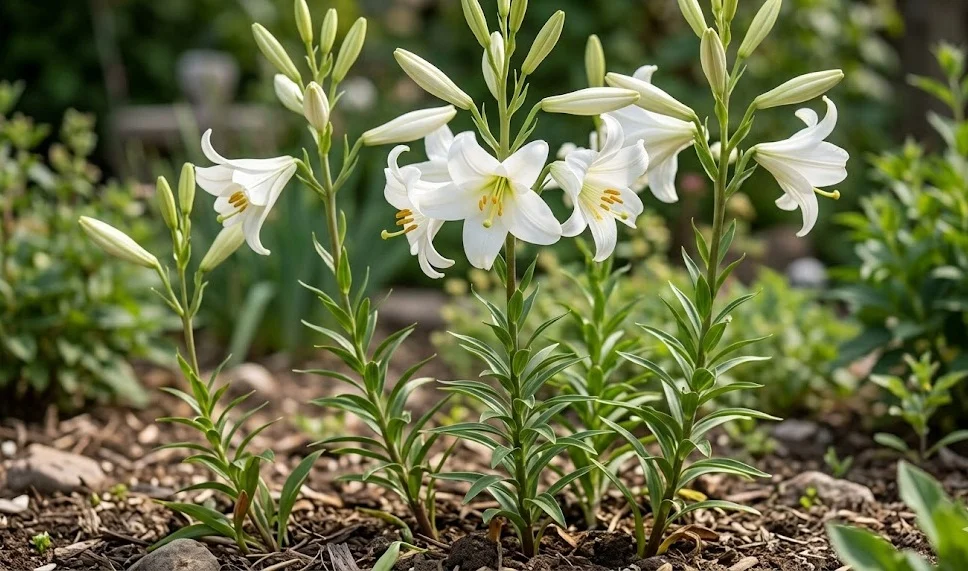

The process of establishing a new colony of lilies begins with a deep understanding of the bulb’s biological requirements and dormant cycles. Unlike many other species that are planted deep in the spring, this particular variety demands a unique approach to timing and placement. Professional growers recognize that the foundation for a spectacular floral display is laid months before the first green shoot appears. A systematic approach to planting ensures that the bulbs settle into their new environment with minimal stress.
Preparation of the site is the most labor-intensive part of the planting process, but it yields the greatest long-term benefits. The soil must be cleared of all perennial weeds and large stones that could obstruct the downward growth of the roots. Incorporating a significant amount of organic matter helps to create the loamy texture that these plants crave. A well-prepared bed provides the perfect balance of moisture retention and necessary aeration for the developing bulbs.
Choosing the right time of year is critical for the survival and subsequent flowering of the white lily. The traditional window for planting is in the late summer or very early autumn, while the bulbs are in their natural dormant state. This early start allows the root system to become established before the ground freezes in the winter. Bulbs planted during this period are much more likely to produce a strong, healthy stem in the following spring season.
The selection of the bulbs themselves should be done with a keen eye for quality and vitality. Each bulb should feel firm to the touch and show no signs of soft spots, mold, or excessive bruising. Larger bulbs generally contain more stored energy and will produce more impressive blooms in their first year. It is always better to invest in high-quality specimens from a reputable source to ensure a successful start to the project.
Soil preparation and site selection
The ideal location for planting these lilies is one that receives ample sunlight while offering protection from the harshest afternoon heat. A site with a slight slope can be beneficial as it naturally encourages the drainage of excess surface water. Avoiding low-lying areas where cold air or water tends to collect is essential for preventing bulb rot and frost damage. The orientation of the bed should allow for good air movement to keep the foliage dry and healthy.
More articles on this topic
Achieving the correct soil structure involves more than just adding a few bags of potting mix to the existing ground. Professionals often create a custom blend that includes sharp sand, composted bark, and well-rotted manure to achieve the perfect consistency. The goal is a medium that is friable and easy for the roots to penetrate while remaining stable enough to support a tall stem. Testing the drainage by filling a hole with water and observing how quickly it empties is a simple but effective diagnostic tool.
The depth at which the bulbs are placed is perhaps the most unique aspect of planting this specific species. While most lilies are planted at a depth three times their height, the white lily should be positioned very close to the surface. Only about an inch of soil should cover the top of the scales to mimic its natural growing conditions in the Mediterranean region. This shallow planting allows the winter sun to warm the bulb and encourages the development of a basal rosette of leaves.
Before placing the bulbs, it is helpful to add a small amount of bone meal or a slow-release bulb fertilizer to the bottom of the planting hole. This provides a focused source of nutrients exactly where the new roots will emerge and begin their search for sustenance. Care should be taken to ensure the fertilizer does not come into direct contact with the bulb scales to avoid chemical burns. Covering the nutrient layer with a thin skim of soil creates a safe and productive environment for the new plant.
Techniques for successful propagation
Propagation allows the gardener to increase their collection and rejuvenate older clumps that may have become less productive over time. The most common method involves the separation of the small bulblets that naturally form around the base of the parent bulb. This process is best performed during the dormant period in late summer when the plant is least likely to suffer from the disruption. Gently lifting the entire clump with a garden fork prevents accidental damage to the delicate scales.
More articles on this topic
Once the clump is lifted, the individual bulblets can be carefully detached by hand without the need for sharp tools. Each small bulb should have its own set of roots or at least the clear potential for root development from its base. These smaller units are then replanted immediately into a prepared nursery bed or individual containers for further development. It may take two or three years of growth before these offsets are large enough to produce their first flowers.
Scaling is a more advanced technique used by professionals to produce a large number of new plants from a single parent bulb. This involves removing a few of the outer scales from a healthy, mature bulb and placing them in a bag of damp vermiculite or peat. Over several weeks in a warm, dark environment, tiny new bulbs will begin to form at the base of each detached scale. This method requires patience and careful monitoring of moisture levels to prevent the scales from rotting before the new growth begins.
Growing from seed is also an option for those who are interested in the long-term genetic diversity of their lily collection. The seeds should be sown as soon as they are ripe in a well-drained seed compost and kept in a cool, sheltered spot. Germination can be slow and irregular, sometimes taking several months for the first green threads to appear above the soil. While this method takes the longest to produce a flowering plant, it can be a deeply rewarding experience for the patient horticulturist.
Managing the young plants
The first few months after planting or propagation are a critical time for the development of a strong root system. Irrigation should be consistent but careful, ensuring that the soil remains moist but never saturated. Providing a light mulch of fine bark can help protect the shallow bulbs from being displaced by heavy rain or curious wildlife. Observation of the site during different times of the day helps in identifying any potential issues with light or wind.
Young plants and newly moved bulbs are more susceptible to environmental stress than those that have been established for several years. It may be beneficial to provide some temporary winter protection in regions where the ground freezes deeply. A layer of evergreen boughs or a specialized horticultural fleece can offer a buffer against the most extreme cold. This protection should be removed early in the spring to allow the new shoots to emerge without obstruction.
As the new growth begins to appear, it is important to provide support to the developing stems if they seem weak. Even young lilies can produce surprisingly large flowers that might cause the stem to lean or bend. Using small bamboo canes and soft ties allows the plant to grow straight and strong while still allowing for natural movement. This early attention to structure helps in creating a more professional and organized appearance in the garden bed.
The long-term success of the planting project depends on the continued health of the soil and the surrounding environment. Regular additions of organic matter and careful monitoring of nutrient levels will keep the colony thriving for many years. Sharing the results of a successful propagation project with fellow gardeners is a great way to spread the joy of the white lily. A well-established patch of these fragrant flowers is a true mark of a dedicated and skilled horticulturist.